
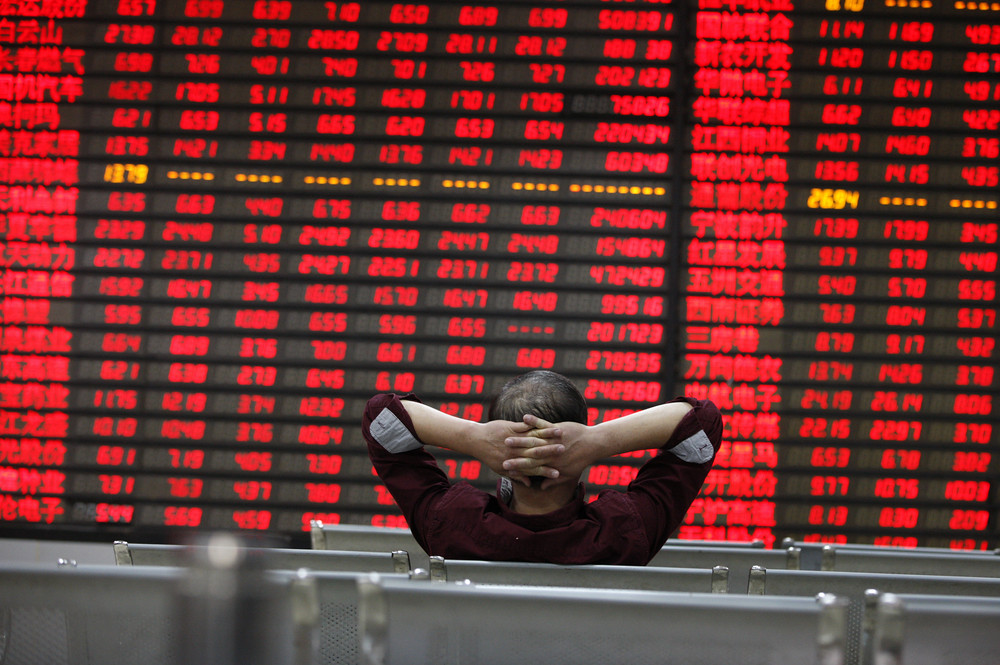
Asian stocks rallied on Monday as weaker-than-expected U.S. labor data reduced market expectations for further Federal Reserve interest rate hikes, providing a significant macroeconomic boost to regional technology shares and easing pressure on global government bonds.
What Changed
Regional market movements were driven by shifting macroeconomics following the release of U.S. employment figures. The MSCI Asia Pacific Index gained about 1.1% on Monday, while Japan’s Nikkei 225 surged 2.6% to 70,074. These market jumps followed a record close for the Nasdaq 100 index on Friday. In the U.S. futures market, Nasdaq 100 futures rose 0.4% to 31,187.25, and S&P 500 futures gained 0.12% to 7,786.75.
Not all regional markets participated directly in the open trading session. Markets in China and South Korea were closed for public holidays, leaving trading volumes in those specific jurisdictions on hold. Meanwhile, other regional indices showed mixed performance across the board: Hong Kong’s Hang Seng fell 0.4%, Singapore’s Straits Times gained 0.3%, Australia’s S&P/ASX 200 rose 0.3%, Thailand’s SET advanced 0.5%, and Malaysia’s KLCI edged higher. India’s Nifty 50 futures remained little changed during the session.
Context and Labor Data Drivers
The positive market momentum follows Friday’s U.S. employment report, which showed employers added fewer workers than economists anticipated in September. Additionally, the official report indicated that wage growth slowed across the American workforce.
This softening in the U.S. labor market directly impacted monetary policy expectations across global financial institutions. Money markets quickly priced in less than a 25% probability of an October Federal Reserve rate hike. The shift in rate expectations also eased pressure on government debt markets. The benchmark 10-year Treasury yield fell two basis points to settle at 5.25%.
Historically, government bonds have faced persistent selling pressure driven by persistent inflation concerns, rising government spending, and increased corporate borrowing to finance artificial intelligence infrastructure.
Corporate Developments and Sector Impact
Beyond macroeconomic factors, individual corporate announcements drove notable market activity across the technology and industrial sectors.
In Taiwan, TSMC rose about 3% following reports of a potential collaboration with Elon Musk’s Terafab, though this partnership remains uncertain pending official confirmation. In Japan, Nippon Paint gained around 1% after agreeing to acquire Akzo Nobel’s Southeast Asian decorative paints business for $1.35 billion.
Commodity markets also reacted to simultaneous geopolitical developments. December Brent crude fell 0.6% to around $101.60 a barrel after briefly topping $103 earlier in the session. The initial price spike was caused by a Saudi-backed offensive against Iran-aligned Houthis in Yemen.
Business Implications and Market Risks
The convergence of softer U.S. employment data, lower Treasury yields, and renewed technology optimism has strengthened risk appetite across Asian markets. Lower anticipated borrowing costs typically benefit capital-intensive technology sectors and growth stocks by reducing the discount applied to future cash flows.
However, limitations and risks remain present across global markets. Persistent inflation concerns and rising government debt issuance continue to influence bond yields. Furthermore, geopolitical tensions—such as the conflict involving Yemen’s Houthis and its impact on crude oil prices—introduce volatility that could quickly alter commodity costs and broader economic stability.
What to Watch Next
Market participants will continue monitoring incoming U.S. macroeconomic indicators to gauge the likelihood of future Federal Reserve policy decisions. Additionally, investors will watch for official confirmations regarding corporate collaborations, such as the reported talks involving TSMC and Elon Musk’s Terafab, alongside regional holiday reopenings in China and South Korea.