
Introduction: A Long-Standing Industrial Property Moves Toward Completion
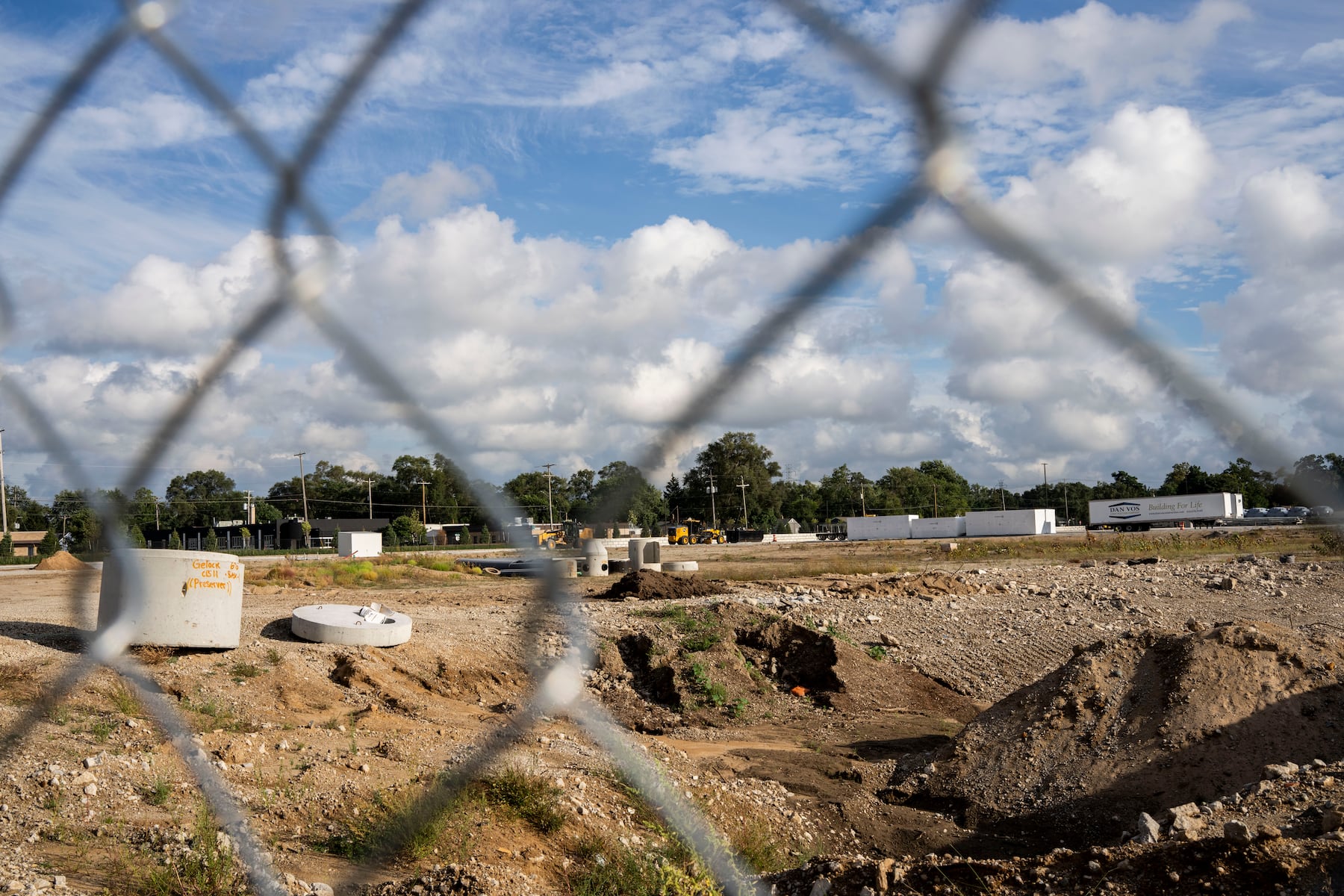
The long-shuttered and vacant GM plant site in Wyoming, Michigan, is approaching the conclusion of a significant revitalization process, marking a pivotal transition for one of the region’s prominent former industrial locations. Situated along the key US-131 transportation corridor, the sprawling acreage formerly occupied by General Motors operations has stood as a major focal point for regional economic planning, property reclamation, and civic interest since manufacturing activity ceased.
According to regional reporting from MLive, the redevelopment work across the former manufacturing parcel is finally nearing the finish line. While specific end-user arrangements, cost structures, and operational timelines remain subject to ongoing municipal and developer verification, the advancement of the site signals the closing chapter of a decades-long brownfield challenge and the beginning of a productive new life for critical commercial land.
What Changed: Advancing Beyond Industrial Vacancy
For communities with deep ties to the automotive sector, decommissioned assembly and stamping facilities frequently present protracted development timelines. The transition of the former GM property off US-131 represents a measurable shift from idle industrial property to active commercial utility.
Initial public disclosures confirm that the long-stalled transition has advanced toward final completion. While large-scale industrial parcels often face multi-year delays involving remediation, structural demolition, environmental assessments, and zoning adjustments, the site in Wyoming has cleared several of these structural hurdles to reach the concluding stages of its master redevelopment process.
Geographic and Transportation Context: The US-131 Factor
The strategic positioning of the property adjacent to US-131 in the greater Grand Rapids metropolitan area provides vital operational advantages for any contemporary commercial or logistics reuse:
- Highway Connectivity: Direct frontage and nearby access to US-131 link the site seamlessly to interstate networks, connecting regional commerce to major Midwestern distribution hubs.
- Heavy Industrial Legacy: Former automotive manufacturing sites typically feature robust baseline utility capacities, including substantial electrical, water, and wastewater infrastructure, which lower capital upgrade burdens for modern industrial or distribution users.
- Regional Workforce Access: Positioned in Wyoming, the site sits centrally within Kent County’s established labor pool, offering accessibility for manufacturing, warehousing, and commercial operations.
Business Implications of Automotive Property Redevelopment
The repositioning of former automotive assembly properties carries broad economic ramifications across several commercial real estate sectors.
1. Industrial Real Estate Absorption
Across the Midwest, demand for modern, large-footprint industrial, light assembly, and logistics space has consistently outpaced supply in densely built submarkets. Reclaiming large parcels within established suburban boundaries allows municipalities to accommodate new commercial operations without converting greenfield agricultural space or stretching municipal utility borders.
2. Local Tax Base Restoration
Decommissioned manufacturing complexes frequently trigger property tax devaluations, dampening local municipal revenue and school district funding. Restoring an idle automotive parcel to commercial utility returns the land to the active tax rolls, broadening local revenue capacity without requiring disproportionate municipal service expansion.
3. Secondary Economic Activity
Modern commercial parks and renewed industrial operations stimulate ancillary business services, ranging from transportation and freight logistics to commercial maintenance, regional supply chain support, and localized retail spending by future on-site personnel.
Known Limitations and Reporting Uncertainties
In evaluating the current status of the Wyoming project, several substantive details remain unconfirmed in public research records:
- Tenant and End-User Rosters: Official announcements have not yet publicly certified all tenant commitments, lease structures, or final corporate operators taking occupancy.
- Capital Investment and Financing: Comprehensive balance sheets detailing private equity commitments, public brownfield incentives, or state infrastructure grants have not been disclosed in the initial report.
- Target Completion Dates: While designated as nearing the finish line, definitive ribbon-cutting schedules and full-occupancy milestones remain subject to final regulatory inspections and developer announcements.
- Employment Estimates: Projections regarding total direct, indirect, and induced employment figures resulting from the repositioned site have not been officially quantified.
Environmental and Regulatory Safeguards
Large-scale automotive facilities operated during the twentieth century routinely require extensive environmental oversight during their redevelopment phases. Typical brownfield revitalization pathways involve rigorous environmental due diligence, including Phase I and Phase II environmental site assessments, state-level environmental quality monitoring, and precise remediation plans to address legacy industrial contaminants.
Reaching the final stages of redevelopment indicates that necessary remediation covenants, site safety approvals, and commercial use authorizations have achieved regulatory alignment with local and state oversight bodies.
Who Is Affected by the Transition?
The progression of the site directly affects multiple regional stakeholder groups:
- Local Municipalities: The City of Wyoming and surrounding Kent County jurisdictions gain renewed economic activity, potential property tax revenues, and the resolution of a long-standing vacant industrial asset.
- Surrounding Residents: Adjacent residential and retail neighborhoods along the US-131 corridor experience shifts in local traffic patterns, property aesthetics, and commercial activity as the site transitions from inactive land to operational use.
- Regional Commercial Developers: The successful revitalization of a legacy automotive brownfield serves as a commercial benchmark for other legacy manufacturing communities throughout Michigan facing similar decommissioned plant sites.
What to Watch Next
As the project approaches full realization, key benchmarks will clarify the ultimate scope and impact of the development:
- Official confirmation of commercial, industrial, or mixed-use tenants occupying the renovated facility.
- Formal municipal filings regarding occupancy permits, infrastructure commissioning, and final roadway adjustments along adjacent transportation routes.
- Subsequent economic development reports detailing job creation metrics, overall capital deployment, and long-term tax increment financing performance.
Further reporting will depend on official disclosures from developers, regional economic development agencies, and municipal authorities in Wyoming as the site completes its transition.