
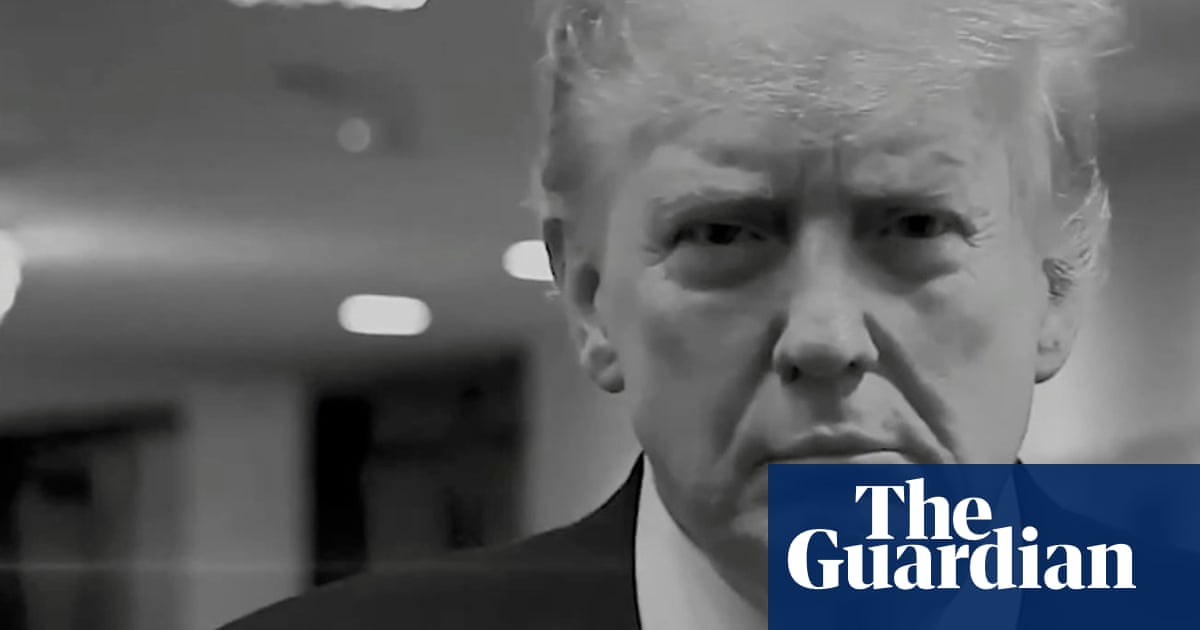
Donald Trump stated on Monday that he would pay for taxpayer-funded, pro-Trump advertisements using money raised for the political action committee MAGA, Inc. The announcement follows a fierce public outcry, congressional inquiries, and legal scrutiny regarding the use of federal funds for television spots that critics have characterized as pre-election propaganda.
What Changed
On Monday, Donald Trump announced that future pro-Trump advertising would be financed through MAGA, Inc., rather than through federal funds. The move comes after widespread criticism over a series of television spots that aired using government resources. According to Trump, the advertisements cost at least $1.5m in federal funds, while tracking firm AdImpact stated they cost at least $1.4m by the end of September. Legal experts and researchers have noted that the actual amount spent could be far more, depending on whether networks classified the spots as political advertising.
The White House initially defended using taxpayer money for the campaign before shifting its stance on Monday night. The administration stated that MAGA, Inc. would pay for such ads in the future, though it did not answer questions on how it or Trump might prove that political funds were successfully utilized. Furthermore, Trump provided no specific details regarding whether or how his political organization would reimburse taxpayers for the ads that had already aired.
Context and Background
The controversy centers on three distinct television spots financed through federal coffers. The first spot featured clips of Trump talking about defeating communism and tax cuts. The second spot featured Mount Rushmore accompanied by quotes from Trump’s Fourthth of July speech. The third advertisement was virtually identical to a 2024 re-election campaign ad warning of a final battle against globalists and warmongers. Notably, all three ads concluded with the explicit message: “Paid for by the US government.”
At the same time, MAGA, Inc. maintains substantial financial resources. The political action committee had amassed more than $400m by the end of July. Despite this massive war chest, federal resources were deployed, triggering immediate political backlash. Democrats swiftly condemned the campaign, describing the pro-Trump spots as desperate pre-election propaganda. Conversely, Trump characterized the advertisements as “a positive promotion for our Great U.S.A.” and asserted that running them was “a rather standard thing to do.”
Business and Political Implications
The intersection of political funding and federal administration spending has raised severe legal and ethical questions. Legal experts noted that the taxpayer-funded ads might violate federal statutes against using appropriated funds for publicity or propaganda. Additionally, these activities may breach laws limiting the partisan political activities of government employees.
The fallout has quickly escalated into formal legislative and oversight demands. California senator Adam Schiff called for immediate proof that the use of taxpayer dollars has ceased and demanded that Trump pay the money back. In a statement reflecting skepticism over the administration’s assurances, Schiff remarked: “Let’s see the proof this illegal waste of your taxes is over for good. And that he pays the money back. We don’t want the U.S. taxpayers to be the latest contractors to get stiffed.”
Beyond statements from individual lawmakers, institutional investigations have been requested. Two congressional Democrats, Jamie Raskin and George Whitesides, formally asked the Government Accountability Office (GAO) and the Office of Special Counsel (OSC) to investigate whether the administration illegally used taxpayer money for the campaign spots.
Limitations and Uncertainties
Despite the White House’s commitment that MAGA, Inc. will cover future advertising costs, significant uncertainties remain. Trump has not provided any operational details or timelines on reimbursing taxpayers for the advertisements that already aired. Additionally, the White House failed to answer questions concerning how the administration or Trump might verify that political funds from MAGA, Inc. are genuinely being used for any subsequent ads.
Tracking the true financial footprint also presents challenges. While AdImpact pegged expenditures at a minimum of $1.4m and Trump cited $1.5m, market variables and network classification standards mean the total cost could scale higher.
What to Watch Next
As federal watchdogs evaluate the requests from congressional representatives, observers will monitor whether the GAO or OSC launch formal investigations into the administration’s expenditures. Key metrics to watch include any forthcoming transparency reports from MAGA, Inc., official documentation regarding the cessation of federal fund usage for advertising, and any potential reimbursement mechanisms established for the funds already spent.