
Introduction
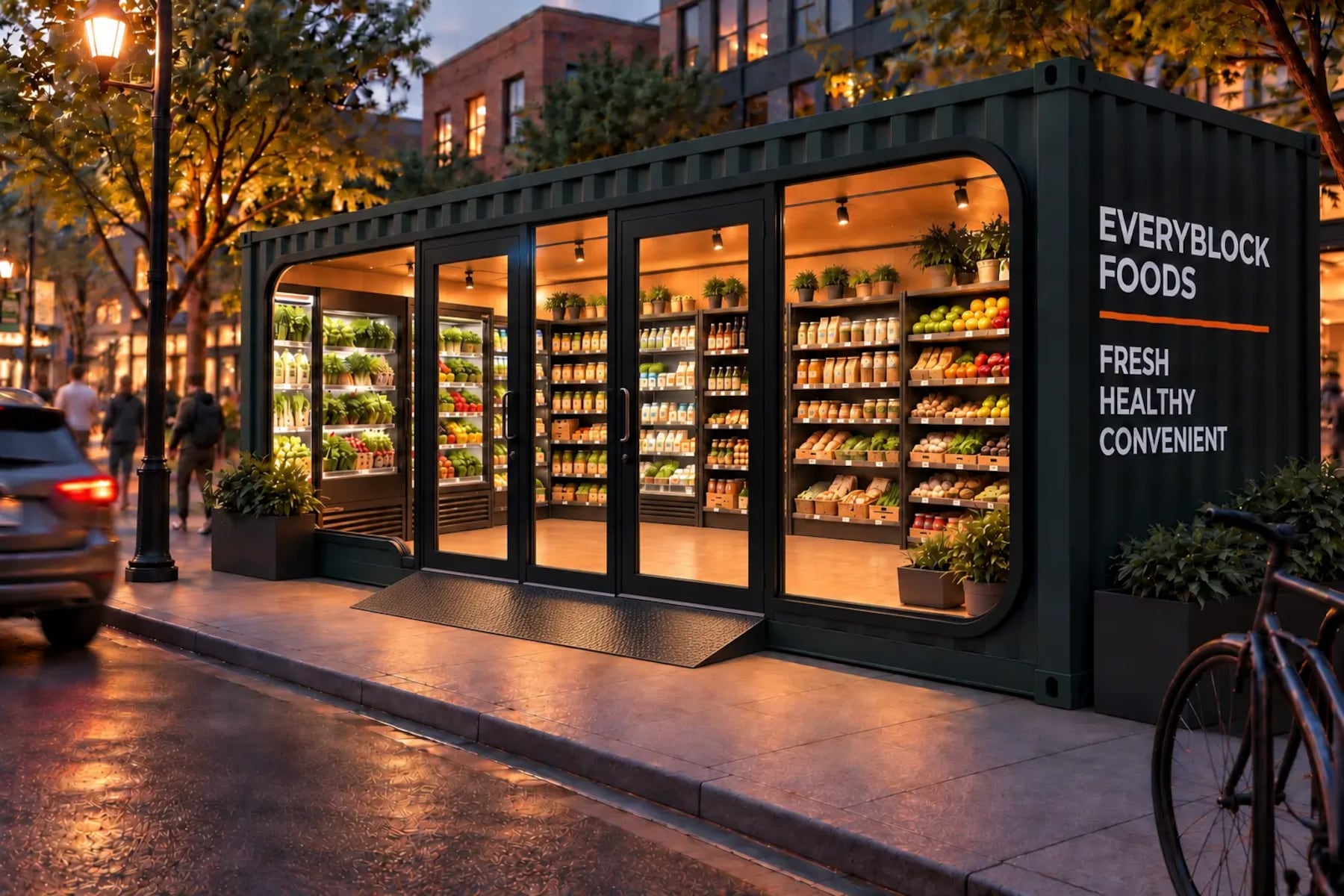
Urban neighborhoods and food deserts face ongoing challenges regarding fresh food access, prompting a Massachusetts innovator to propose a novel retail concept. According to reporting from MassLive, a local entrepreneur wants to build 24/7 automated markets that fit directly inside a standard shipping container. This architectural and retail approach aims to address persistent distribution challenges in densely populated areas.
As retail automation continues to evolve, modular systems offer potential pathways for deploying commerce into spaces where traditional brick-and-mortar storefronts are financially or spatially unviable. While the initiative remains in a conceptual stage based on available research, it highlights ongoing interest in leveraging compact, technology-driven enclosures to reshape local commerce.
What Changed
The core development centers on an entrepreneur from Massachusetts proposing a container-based retail infrastructure. Rather than relying on standard retail spaces or conventional convenience stores, the concept utilizes shipping containers as self-contained, automated mini-markets capable of operating around the clock.
This structural format transforms a common industrial logistics asset into a modular retail environment. By housing automated vending, retrieval, or checkout systems within a shipping container, the design seeks to minimize permanent real estate footprints while maximizing deployment flexibility across urban spaces.
Context and Background
Access to healthy food in urban environments has long been a focal point for urban planners, public health advocates, and community leaders. Conventional grocery stores require substantial capital investments, extensive square footage, and predictable consumer density to remain financially viable.
Consequently, many urban neighborhoods lack nearby options for fresh produce and healthy meals, leading to reliance on corner stores or fast-food outlets with limited nutritious inventory. Modular automated retail systems have occasionally emerged as potential stopgaps, though scaling them sustainably has presented historical engineering and supply chain hurdles.
Business Implications
From a business perspective, deploying automated markets inside shipping containers offers distinct logistical advantages and potential cost reductions. Traditional retail operations face high overhead costs related to rent, utilities, and continuous staffing. An automated, containerized model could theoretically reduce labor requirements and lower real estate acquisition expenses.
However, business viability depends heavily on maintenance logistics, inventory replenishment cycles, and hardware reliability. Vending and automated retail systems require consistent restocking of perishable items, which introduces complex supply chain management challenges, particularly for fresh or healthy food options that have short shelf lives.
Sector Impact and Potential Applications
If successfully engineered and deployed, modular automated markets could impact multiple sectors, including retail technology, urban logistics, and real estate development. Land use flexibility is a primary advantage; a containerized market can be placed in parking lots, transit hubs, or vacant urban lots without requiring permanent construction.
This approach aligns with broader trends in micro-retail and unmanned stores. Yet, the intersection of automation and fresh food introduces unique operational hurdles that distinguish it from standard packaged-goods vending.
Risks, Limitations, and Challenges
Several clear limitations and operational risks accompany the concept of shipping container automated markets. Foremost among these are technical constraints, security concerns, and climate control requirements.
Maintaining proper refrigeration and climate control inside a metal shipping container—especially during extreme weather conditions—demands robust power infrastructure and energy management systems. Additionally, unmanned retail locations are susceptible to vandalism, theft, and technical malfunctions that require rapid remote or on-site intervention.
Furthermore, the available research provides no concrete specifications regarding the exact internal automation mechanisms, payment processors, or inventory management software to be utilized. These technical details remain unverified, representing significant variables in the ultimate feasibility of the project.
What to Watch Next
Observers tracking this retail automation initiative should monitor several key milestones. Future developments will depend on whether the Massachusetts innovator secures physical prototyping space, establishes municipal partnerships, or unveils technical specifications for the container buildouts.
Additional points of observation include funding announcements, regulatory approvals for zoning and health permits, and pilot program deployments in targeted urban neighborhoods. Until such operational milestones are reached, the project remains an ambitious conceptual proposal for urban retail distribution.