
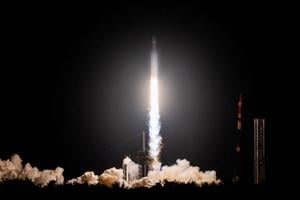
The Federal Aviation Administration (FAA) is moving to overhaul its oversight of commercial space launches and re-entries, putting forward new regulatory proposals designed to reduce bureaucratic friction and speed up licensing workflows. The regulatory body’s proposed rules aim to modernized processing procedures while supporting rapidly accelerating flight rates across the American commercial space sector.
Under the proposed framework, spaceflight companies will gain new mechanisms for submitting paperwork, proving compliance, and completing technical safety reviews. The FAA stated that “[s]implifying these critical rules will ensure American space operators can continue leading the world in commercial launch growth while maintaining the FAA’s highest safety standards.” The public has been given an official window to review and submit comments on these proposed changes through November 4.
What Changed: Three Core Structural Streamlining Proposals
The FAA’s newly proposed regulatory package focuses on three specific operational and administrative reforms designed to modernize how companies interact with federal overseers:
- Electronic Application Submissions: Operators will be permitted to submit launch and re-entry applications electronically, eliminating paper-heavy submission workflows and administrative delays.
- Flexibility in Safety Compliance: The proposal offers launch operators greater flexibility when demonstrating that their systems achieve equivalent levels of safety required under federal standards.
- Consolidation of Safety Analyses: The FAA intends to combine three separate required safety analyses into a single, unified submission, reducing redundant technical paperwork for launch providers.
Together, these measures aim to streamline licensing approvals for both routine orbital missions and returning spacecraft without sacrificing core safety oversight.
Context: Explosive Growth in Commercial Space Operations
The regulatory review comes during a period of unprecedented operational expansion for the domestic space industry. Last year, the FAA recorded 178 commercial space launches and re-entries. This total represents a tenfold increase compared to the level of activity observed in 2013.
Commercial space launch activity in the United States is currently dominated by Elon Musk’s SpaceX, which conducts a significant portion of all domestic launch and recovery operations. As flight cadences continue to rise, existing regulatory structures designed for lower launch volumes have faced growing pressure to adapt.
Executive Branch Directives and Strategic Targets
The FAA’s proposal aligns with wider federal policy initiatives aimed at accelerating commercial space capabilities across the nation. The White House has established an ambitious target to enable at least 1,000 commercial space launches and re-entries annually by 2030.
This initiative follows executive action taken earlier in the year. In August, President Donald Trump signed a memorandum aimed at drastically increasing the number of U.S. commercial space launches. That executive memo directed federal government agencies to evaluate federal land for potential use as new launch and re-entry sites.
Additionally, in July, the FAA proposed waiving requirements under several laws in order to simplify and expedite commercial space licensing processes across the sector.
Business and Sector Implications
For launch services providers, the ability to consolidate technical filings and submit documentation digitally is designed to lower compliance costs and shorten regulatory lead times between mission planning and liftoff. Streamlining three required safety analyses into a single submission directly addresses long-standing operator requests for a more integrated review process.
For the wider U.S. commercial space industry, these streamlined procedures are intended to preserve market competitiveness against international launch providers, facilitating higher operational cadences and supporting growing commercial and government payload demands.
Limitations and Key Uncertainties
While the proposed reforms aim to reduce administrative bottlenecks, industry observers and policymakers face significant technical and operational questions. Chief among these uncertainties is whether the White House goal of reaching at least 1,000 annual launches and re-entries by 2030 will be successfully met.
Achieving a scale of 1,000 annual operations would require scaling flight rates nearly sixfold from last year’s record levels, placing high demands on air traffic management, range access, federal land development, and FAA oversight resources.
What to Watch Next
The primary immediate milestone for the commercial space industry is the close of the public comment period on November 4. Following the comment period, the FAA will review public feedback before finalizing the rule changes. Stakeholders will also be monitoring federal agency responses to the August presidential memo regarding the identification and development of new launch and re-entry sites on federal land.