
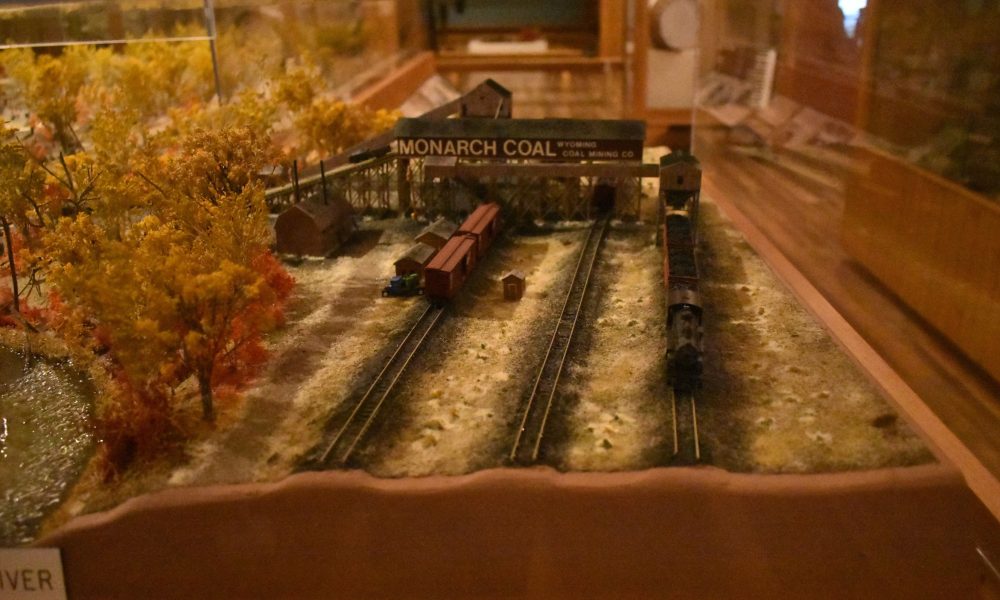
Factual Lead and Event Overview
The Sheridan Community Land Trust (SCLT) has announced two upcoming public educational sessions under its Explore History banner, dedicated to examining the industrial heritage of northeastern Wyoming. The dual presentations, titled “The Coal Camps of Sheridan County,” will investigate the early mining settlements, industrial growth, and civic foundations that preceded the region’s present identity. Both sessions are free of charge and open to the public, offering local residents and regional observers an in-depth look at how early coal extraction shaped local infrastructure and community development.
Led by SCLT Director of History Kevin Knapp, the public lectures draw directly from his extensive historical research and published work of the same title. By hosting sessions in both Sheridan and Dayton, the land trust aims to make local historical scholarship broadly accessible across different parts of the county. The presentations highlight how Sheridan County coal camps provided the primary economic catalyst for the region long before agricultural ranching and modern residential centers defined the landscape.
What Changed: The Announcement and Event Schedule
The Sheridan Community Land Trust formalized its October programming schedule to feature two distinct opportunities for community participation across northern Wyoming. Each session provides a dedicated forum for presenting historical research on the region’s foundational coal economy.
The scheduled presentation details established by SCLT include:
- Sheridan Session: Wednesday, Oct. 14, from 10:00 a.m. to 11:30 a.m., hosted at The Hub on Smith in Sheridan.
- Dayton Session: Tuesday, Oct. 20, from 10:30 a.m. to 12:00 p.m. (noon), hosted at the Tongue River Valley Community Center in Dayton.
Both events require no paid admission, keeping with SCLT’s ongoing mission to deliver open-access historical programming to the public. Additional schedule details, venue maps, and organizational context remain published on the official organization event web portal at https://sheridanclt.org/events/.
Context: Industrial Antecedents of Sheridan County
To fully grasp the significance of Kevin Knapp’s research, it is essential to review the developmental sequence of northeastern Wyoming. Before Sheridan County became widely recognized for its agricultural operations, livestock ranches, and thriving municipal centers, coal mining served as the foundational pillar of the regional economy.
During the peak expansion of early energy extraction, dozens of bustling coal camps emerged throughout the county. These settlements were not merely temporary work camps; they functioned as complete, densely populated communities that brought diverse labor forces, early transportation networks, and commercial trade into northeastern Wyoming. The economic velocity generated by these coal camps funded initial regional infrastructure, created early commercial markets, and established population centers that laid the groundwork for subsequent civic and agricultural expansion.
Presenter and Research Foundation
The upcoming Explore History presentations represent an synthesis of ongoing research conducted by SCLT Director of History Kevin Knapp. His article, “The Coal Camps of Sheridan County,” serves as the primary factual text informing both educational sessions.
Knapp’s scholarship focuses on recovering the social and economic narratives of the workers, families, and enterprise leaders who inhabited the coal camps. By translating archival findings into public presentations, the land trust seeks to connect current community members with the tangible historical forces that organized early town placement, labor movements, and local resource management throughout northeastern Wyoming.
Venue Distribution and Regional Accessibility
By scheduling the Explore History series across two distinct geographic hubs—Sheridan and Dayton—SCLT ensures broad accessibility for residents across different municipal zones of the county.
The Hub on Smith (Sheridan)
The initial gathering on Wednesday, Oct. 14, utilizes The Hub on Smith, a central civic and community gathering site in Sheridan. Hosting the morning session from 10:00 a.m. to 11:30 a.m. allows central county residents, civic leaders, and local history enthusiasts to access the program within the county seat.
Tongue River Valley Community Center (Dayton)
The second gathering on Tuesday, Oct. 20, shifts northern location to the Tongue River Valley Community Center in Dayton. Running from 10:30 a.m. to noon, this session extends the educational presentation directly into the northern valley communities, where historical proximity to former extraction sites and rural settlements remains especially pronounced.
Business and Economic Implications
From an economic history perspective, the study of Sheridan County coal camps underscores the long-term structural transitions common to resource-dependent regions. Understanding how early energy booms funded civic infrastructure provides valuable insights for regional planners, historic preservationists, and local economic development analysts.
Key economic and historical takeaways include:
- Infrastructure Foundations: Early coal mining operations catalyzed the development of essential rail, road, and utility connections that later supported agricultural and residential development.
- Economic Diversification: The historic transition from extractive coal camps to sustained ranching and municipal commercial hubs illustrates how regional economies adapt over multi-generational cycles.
- Cultural Heritage Preservation: Documenting industrial history enhances regional heritage tourism and strengthens civic identity by maintaining an accurate public record of early economic drivers.
Limitations, Disclosures, and Uncertainties
In accordance with editorial standards based on available source documentation, certain contextual parameters surrounding the event announcement should be noted:
- Calendar Year Attribution: While the presentation announcement specifies the event calendar dates of Wednesday, Oct. 14, and Tuesday, Oct. 20, the exact calendar year is not explicitly printed within the core presentation announcement text, though surrounding media reporting from outlets such as Sheridan Media cites 2026.
- Scope of Available Facts: Detailed specific attendance capacities, complete roster materials, and full transcript texts of Kevin Knapp’s article are reserved for the live presentation sessions and SCLT’s official published channels.
- Source Attribution: Facts regarding the event schedules, venue locations, presenting personnel, and historical background are derived from official announcements issued by the Sheridan Community Land Trust and coverage reported by Sheridan Media.
What to Watch Next
Members of the public, researchers, and community stakeholders planning to attend either session are encouraged to monitor official channels for potential updates or supplementary reading materials. SCLT maintains its updated calendar, event guidelines, and contact information on its website at https://sheridanclt.org/events/.
As the Sheridan Community Land Trust continues its Explore History series, future public sessions are expected to maintain this focus on documenting, preserving, and sharing the human and industrial history of northeastern Wyoming.