
The City of Boulder is undertaking a major modernization of its emergency services infrastructure by integrating artificial intelligence for call handling and launching a comprehensive high-tech operations hub. As municipal agencies nationwide search for technological solutions to manage stretched emergency workforces, Boulder’s initiative aims to streamline routine municipal communication while introducing advanced aerial and digital surveillance tools.
According to city reports, the multi-faceted project introduces an automated interface designed to manage non-emergency inquiries. Simultaneously, a newly established monitoring facility consolidates hundreds of camera feeds and introduces a targeted remote-piloted drone program. While officials emphasize that these tools are built to supplement existing personnel, the deployment marks a notable shift in municipal public safety operations.
What Changed
The City of Boulder is rolling out two major components to upgrade its municipal response framework: an AI-driven non-emergency call handling system and a centralized Public Safety Information Center.
The artificial intelligence system replaces the traditional phone tree structure used by the municipal dispatch office. Its primary function is to efficiently filter and process incoming communications that do not require immediate emergency intervention. City officials note that the AI dispatch system is scheduled for a soft launch in late October, with full operational capacity expected by the end of the year.
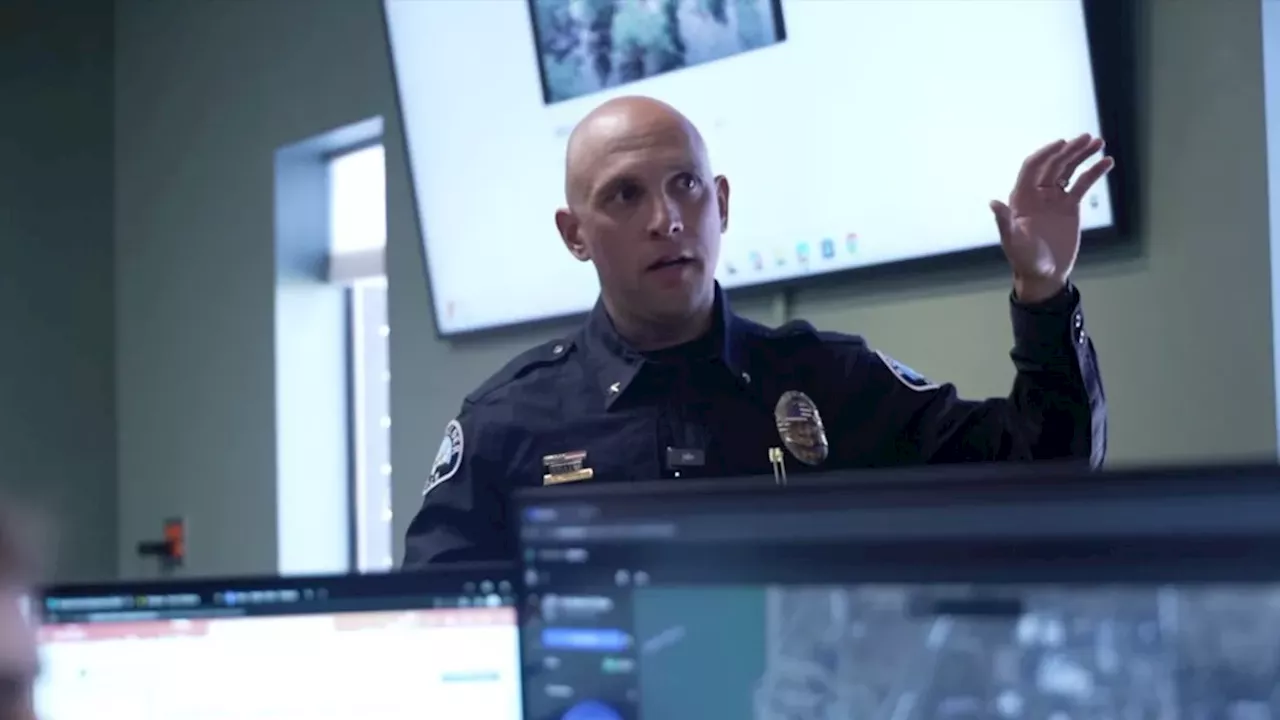
Complementing the call-handling update, Boulder launched the Public Safety Information Center. This facility acts as a centralized hub for law enforcement and emergency response coordination, featuring advanced monitoring arrays and a dedicated Drones as First Responder program. Operators inside the center can pilot drones remotely using standard computer peripherals, including keyboards, mice, and Xbox controllers.
Context and Background
The municipal modernization effort was spurred by specific operational strains and infrastructure needs. Dispatch data indicates that seventy percent of the call volume at the Boulder dispatch center consists of non-emergency requests. These routine inquiries typically involve issues such as noise disturbances, barking dogs, or parking violations.
In addition to everyday call volume management, the development of the high-tech center was needed to address gaps in monitoring capabilities. City leadership noted that infrastructure improvements were particularly necessary to manage large-scale events, such as the Sundance Film Festival, where crowd and traffic coordination demand high-density resource tracking.
Business and Operational Implications
Automating routine inquiries carries significant operational implications for municipal labor management and resource allocation. City officials stated the AI system is intended to supplement the existing workforce rather than replace it. By offloading noise disturbances, barking dogs, parking violations, and similar calls from human operators, the AI interface allows trained professionals to dedicate full attention to critical 911 emergencies.
On the monitoring side, law enforcement personnel stationed at the Public Safety Information Center can simultaneously monitor up to 225 camera feeds across the city. This centralized visibility transforms how field resources are deployed.
Furthermore, the integration of the Drones as First Responder program provides field commanders with a direct aerial perspective. Fire Chief Michael Calderazzo explained that remote drone operations provide a bird’s-eye view, which is critical for evaluating resource placement during fire emergencies.
Technical Capabilities and Field Performance
The technology deployed within Boulder’s new center includes specific hardware and operational capabilities designed to improve tactical awareness:
- Surveillance Scale: The center coordinates data feeds from up to 225 simultaneous city camera feeds.
- Thermal Imaging: Drones integrated into the response program are equipped with advanced thermal imaging cameras, enabling operators to detect heat signatures in low-visibility environments.
- Control Interfaces: Operators pilot drones directly from the center using standard keyboards, mice, and Xbox controllers.
- Tactical Verification: In specific field instances, drone footage allowed officers to determine that a suspect was not armed, reducing the risk of a violent confrontation.
Risks, Limitations, and Oversight
While municipal updates promise efficiency gains, the integration of advanced surveillance and automated intake tools brings notable public oversight and privacy considerations. Public apprehension regarding potential job losses due to the AI dispatch system remains a documented uncertainty, though city representatives have maintained that the technology acts strictly as a workforce supplement.
To address privacy and data security concerns surrounding the extensive camera network, the city established specific surveillance footage security protocols. These measures include mandatory weekly audits to verify why specific cameras were accessed and how the gathered information was utilized.
Additionally, to govern aerial monitoring, officials pledged strict operational boundaries: drones will only be deployed in response to specific, documented incidents rather than engaging in routine or unprompted patrol sweeps.
What to Watch Next
As the City of Boulder approaches its year-end target for full operational capacity, observers will be tracking the performance and reception of the new infrastructure. Key milestones include the late October soft launch of the AI dispatch interface, the ongoing weekly surveillance audits, and quantitative metrics regarding how effectively routine calls are filtered away from human 911 dispatchers.