
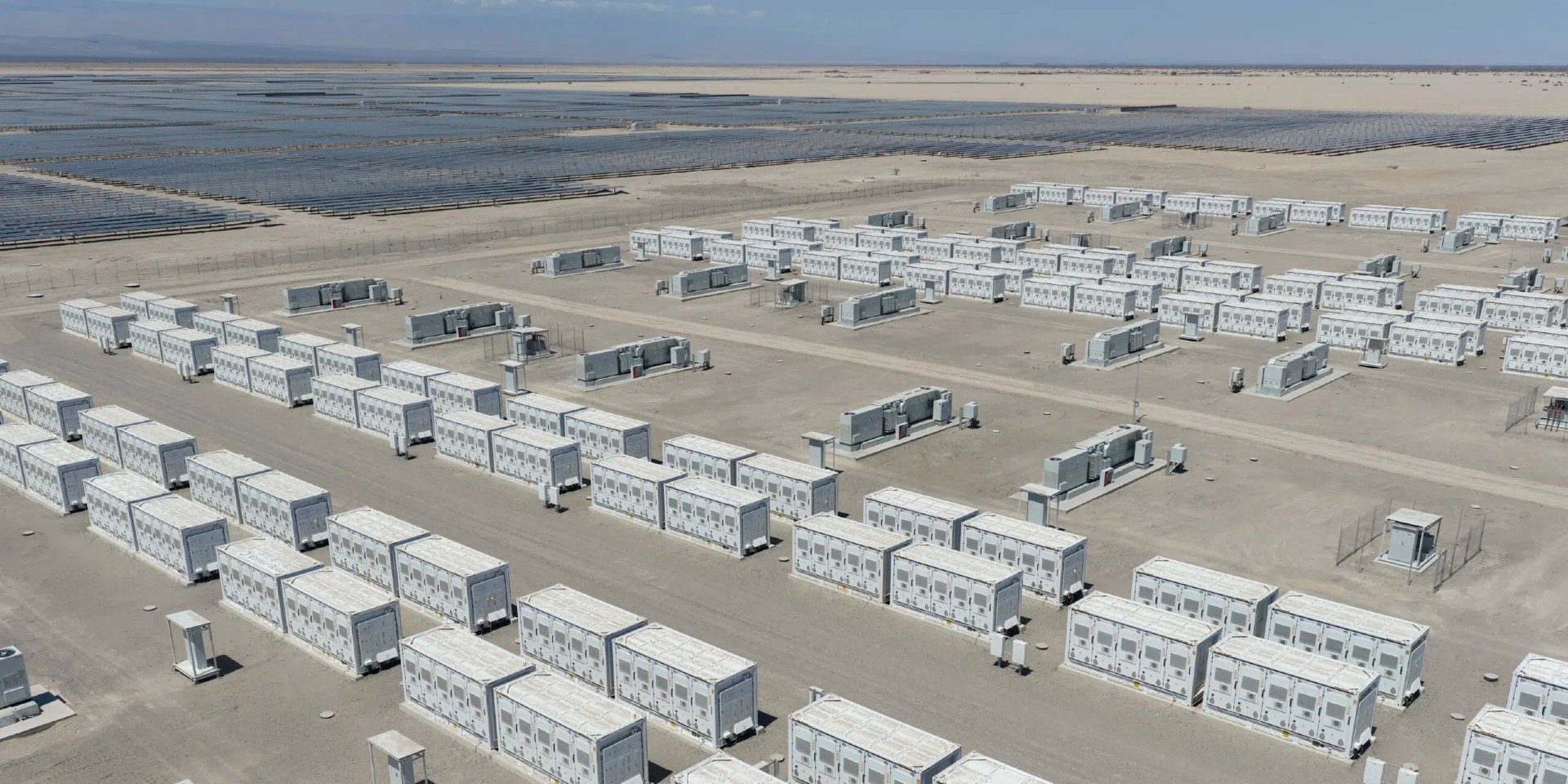
ContourGlobal held a groundbreaking ceremony on October 6 for Project Sterling, marking the formal start of construction on a massive 450-megawatt solar farm accompanied by a large-scale battery storage system in the Arizona desert. As infrastructure takes shape across more than 2,000 acres in the Mojave Desert, Tesla’s next big clean energy source is rising in the Arizona desert to power future corporate demands through a major long-term procurement arrangement.
Project Sterling represents a significant addition to regional clean energy capacity. Once operational, the facility will combine hundreds of thousands of photovoltaic modules with extensive battery infrastructure to supply the power grid. By pairing solar generation with advanced energy storage, the project aims to bridge the gap between intermittent renewable generation and continuous grid demand.
What Changed
Construction officially commenced following an October 6 groundbreaking ceremony held by developer ContourGlobal. The milestone transitions Project Sterling from the planning and financing stages into active physical deployment. ContourGlobal secured an equity bridge loan from a group of international banks to help fund its investment during the construction phase.
The project is located around 20 miles north of Lake Havasu City in Mohave County, spanning more than 2,000 acres within the Mojave Desert. Logistics for the site development include a new 5.2-mile, or 8.4-kilometer, access road connecting the installation directly to historic Route 66. ContourGlobal expects construction to employ around 400 workers through 2028, utilizing local crews to handle civil works, roads, and site logistics.
Technical Specifications and System Design
Project Sterling features a sprawling hardware layout designed to capture and store utility-scale solar energy. The installation will pair more than 760,000 solar panels with over 300 battery storage containers across the 2,000-acre site.
The solar panels boast a combined capacity of 509 megawatts direct current, which translates to 450 megawatts of alternating current capacity after conversion for the electrical grid. To manage surplus generation and smooth out output variability, the accompanying battery system will deliver up to 360 megawatts of power and store approximately 1.4 gigawatt-hours of electricity.
This storage capacity is sufficient to discharge at full power for about four hours. According to ContourGlobal, the integration of solar arrays and battery storage will enable Sterling to deliver clean electricity for up to 16 hours a day. The system relies on lithium iron phosphate batteries equipped with liquid cooling and integrated fire protection systems.
Business Implications and Tesla Offtake
Project Sterling carries substantial commercial importance for both ContourGlobal and Tesla. ContourGlobal states that Sterling will become its largest renewable energy asset worldwide upon completion.
Tesla has lined up about 90% of the project’s expected electricity output through a long-term power purchase agreement. This contract covers around 1 terawatt-hour per year, alongside associated renewable energy certificates. The guaranteed offtake agreement provides financial stability for the privately financed development while securing a massive volume of clean energy for Tesla.
Grid Integration and Sector Impact
The facility’s generated electricity will feed directly into the Western Area Power Administration grid. Furthermore, the project has secured transmission rights into the California Independent System Operator electricity market, allowing the clean power to reach wider regional destinations.
Project Sterling is expected to generate more than 1.1 terawatt-hours of electricity annually once online. This large volume of generation will contribute significantly to regional renewable energy targets and bolster grid reliability across the American Southwest.
Limitations and Uncertainties
Despite the formal groundbreaking, several project timelines and generation figures remain subject to future operational conditions. Project Sterling is expected to come online in 2028, marking a multi-year construction window.
Similarly, projections indicating that Sterling will generate more than 1.1 terawatt-hours of electricity annually are estimates that depend on environmental conditions, solar irradiance, and maintenance schedules once the facility begins commercial operation. ContourGlobal’s projection that construction will employ around 400 workers through 2028 is also an expectation subject to workforce availability and construction progress.
What to Watch Next
As construction advances toward the anticipated 2028 completion date, observers will monitor the installation of the 760,000 solar panels and the 300 battery storage containers. Key milestones will include the progress of civil works along the 5.2-mile access road, electrical interconnection testing with the Western Area Power Administration, and final operational integration with the California Independent System Operator electricity market.