
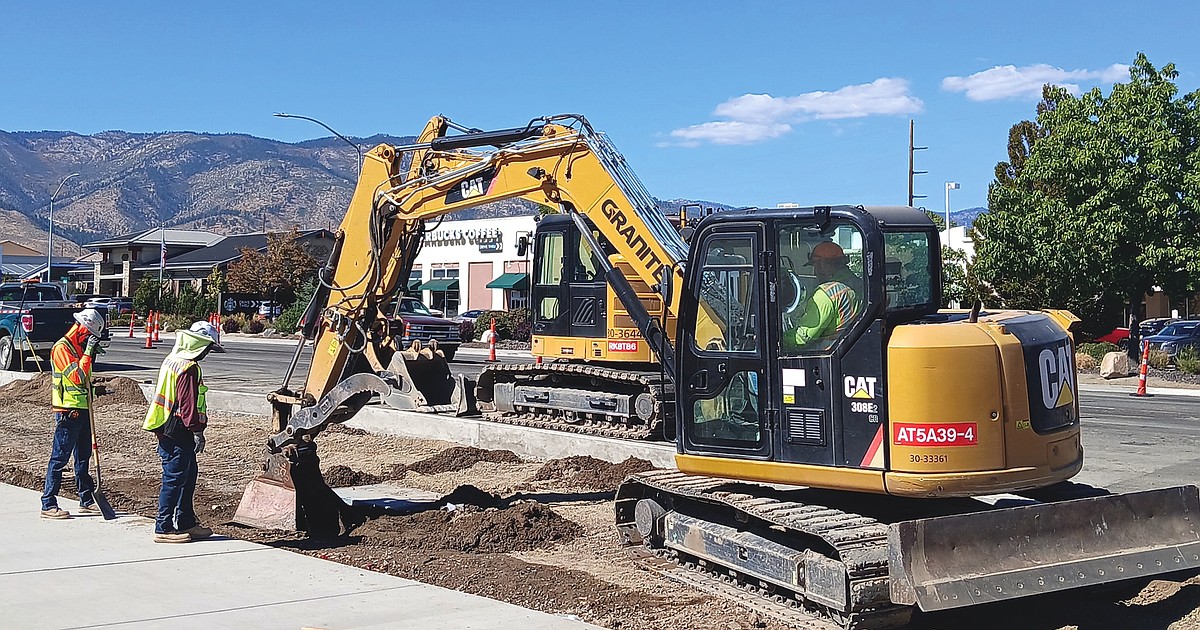
Introduction to the East William Street Paving Project
Final paving on Carson City’s East William Street starts Monday, marking a key milestone in local infrastructure development and municipal engineering operations. Infrastructure projects of this nature require careful scheduling and logistical coordination to ensure that public corridors are maintained and improved efficiently. As reported by the Nevada Appeal on October 10, 2026, the transition into final paving operations on East William Street brings direct operational changes to Carson City’s transit corridors.
Municipal and regional infrastructure updates are critical for maintaining the safety, durability, and operational capacity of local roadways. East William Street serves as a vital artery within Carson City, handling everyday commuter traffic, commercial transport, and pedestrian flow. Understanding the scope, timing, and broader framework of these roadway improvements helps stakeholders, local businesses, and residents prepare for the shifts in daily transit patterns that accompany active construction phases.
What Changed on East William Street
The operational landscape along East William Street shifts significantly as crews transition to the final paving phase. Roadway reconstruction and resurfacing projects typically move through multiple distinct stages, ranging from initial site preparation and grading to base stabilization and, ultimately, final surface paving. The commencement of this final paving stage signals that the project has advanced past underlying structural work and is moving toward completion.
According to the available research and reporting, this phase formally initiates on a Monday. While specific hourly schedules, exact lane closure configurations, and day-by-day contractor milestones are subject to standard municipal construction practices, the transition itself represents a definitive step forward in the local roadway project scope. Municipal crews and contractors coordinate these transitions to align with broader regional transportation objectives.
Context and Background in Carson City
Carson City municipal projects regularly manage road updates, maintenance cycles, and infrastructure enhancements to preserve the integrity of public corridors. Urban and suburban roadways experience constant wear from vehicular traffic, weather variations, and heavy commercial transport. To counter this degradation, municipal agencies schedule systematic improvements, resurfacing initiatives, and structural reinforcements.
East William Street holds a notable position within the regional transit network of Carson City. Because primary corridors facilitate not only local commuting but also regional connectivity, managing their upkeep requires structured project phases. Municipal planning takes into account traffic volume, seasonal weather windows, and contractor availability when establishing start dates and project timelines for major thoroughfares like East William Street.
Why These Roadway Improvements Matter
Roadway improvements directly affect daily commuters, local businesses, and regional transportation efficiency. A well-maintained surface reduces vehicle wear and tear, improves safety by restoring skid resistance and removing surface irregularities, and enhances overall traffic flow. Completing final paving phases helps secure long-term roadway durability, minimizing the frequency of emergency repairs and unplanned disruptions down the road.
Furthermore, infrastructure investments signal ongoing municipal commitment to community development. Reliable transportation networks are foundational to local economic vitality, ensuring that goods, services, and workforce participants can move freely throughout Carson City. The transition to final paving on East William Street is therefore a critical step in achieving these long-term community and transportation goals.
Sector Impact and Municipal Operations
Local municipal engineering and regional transit systems experience direct operational adjustments during major paving initiatives. Coordinated timelines assist in maintaining predictable municipal service delivery, even as physical construction alters normal traffic patterns. Municipal agencies must balance the demands of active construction zones with the continuous delivery of public services, emergency response access, and transit routing.
Engineering departments rely on structured project management frameworks to oversee contractors, monitor paving material quality, and ensure adherence to safety standards. The commencement of final paving on East William Street reflects the culmination of these multi-tiered operational efforts, bringing public works closer to project closeout and full public use.
Business Implications for Local Commerce
Businesses located along East William Street must navigate temporary transit shifts while construction activities progress. Infrastructure investment updates generally aim to improve long-term commercial accessibility upon completion, but the active construction window can introduce temporary logistical hurdles for storefronts, service providers, and commercial delivery vehicles.
Commercial stakeholders routinely monitor municipal project schedules to anticipate customer access patterns, manage inventory deliveries, and adjust operating hours if necessary. While construction-related disruptions can test local patience, the promise of an upgraded roadway surface provides a strong foundation for future commercial activity and enhanced neighborhood appeal once final paving operations conclude.
Key Commercial Considerations During Paving
- Temporary transit shifts affecting customer and delivery access.
- Long-term enhancements to commercial corridor accessibility.
- Coordinated municipal communication channels.
Local establishments must account for potential routing changes during active paving windows.
Upgraded road surfaces improve the overall quality and appeal of the business district upon completion.
Staying informed on project milestones helps businesses proactively manage logistical adjustments.
Who May Be Affected by the Paving Schedule
A diverse group of stakeholders is directly impacted by the commencement of final paving on East William Street. Local motorists utilizing the corridor for daily commutes will encounter active work zones, potential delays, and temporary traffic modifications. Commercial transport operators relying on East William Street for freight and service delivery must integrate construction timelines into their routing strategies.
In addition to motorists and commercial operators, pedestrians, cyclists, and nearby commercial establishments in Carson City encounter direct adjustments during the active paving timeline. Emergency service providers operating within the municipality also factor roadway construction zones into their rapid-response route planning, ensuring that alternative paths are utilized when primary corridors experience construction-related flow restrictions.
Risks, Limitations, and Operational Uncertainties
Paving operations inherently carry logistical challenges, including potential traffic delays, temporary lane shifts, and weather-dependent scheduling constraints. Asphalt and paving materials often require specific environmental conditions, such as appropriate ambient temperatures and dry surfaces, to cure properly and achieve maximum structural durability.
The provided research notes the start date of Monday but does not outline detailed contingency models, hour-by-hour traffic diversion specifics, or comprehensive completion windows. Without explicit technical specifications or official contractor statements regarding secondary milestones, observers must rely on ongoing municipal updates to track the granular progression of the work.
What to Watch Next in Carson City Infrastructure
Observers and stakeholders will closely monitor project progression following Monday’s commencement. Key indicators of project health include subsequent municipal updates regarding completion milestones, full reopening schedules, and the removal of temporary traffic control devices along East William Street.
As Carson City continues to manage its portfolio of municipal infrastructure projects, lessons learned from the East William Street paving initiative may inform future roadway improvements across the region. Staying attuned to official announcements from local authorities remains the most reliable way to navigate ongoing and upcoming transit developments.
Frequently Asked Questions
When does final paving start on East William Street?
Final paving on Carson City’s East William Street starts Monday, as reported in regional coverage published on October 10, 2026.
Where is the paving project located?
The project is located on East William Street within Carson City, serving as a key transit corridor for the area.
What type of updates are being made?
The project involves final paving operations, marking a major milestone in local roadway infrastructure development and resurfacing.
Where can readers find the original report?
The original reporting on this infrastructure update was published by the Nevada Appeal.