
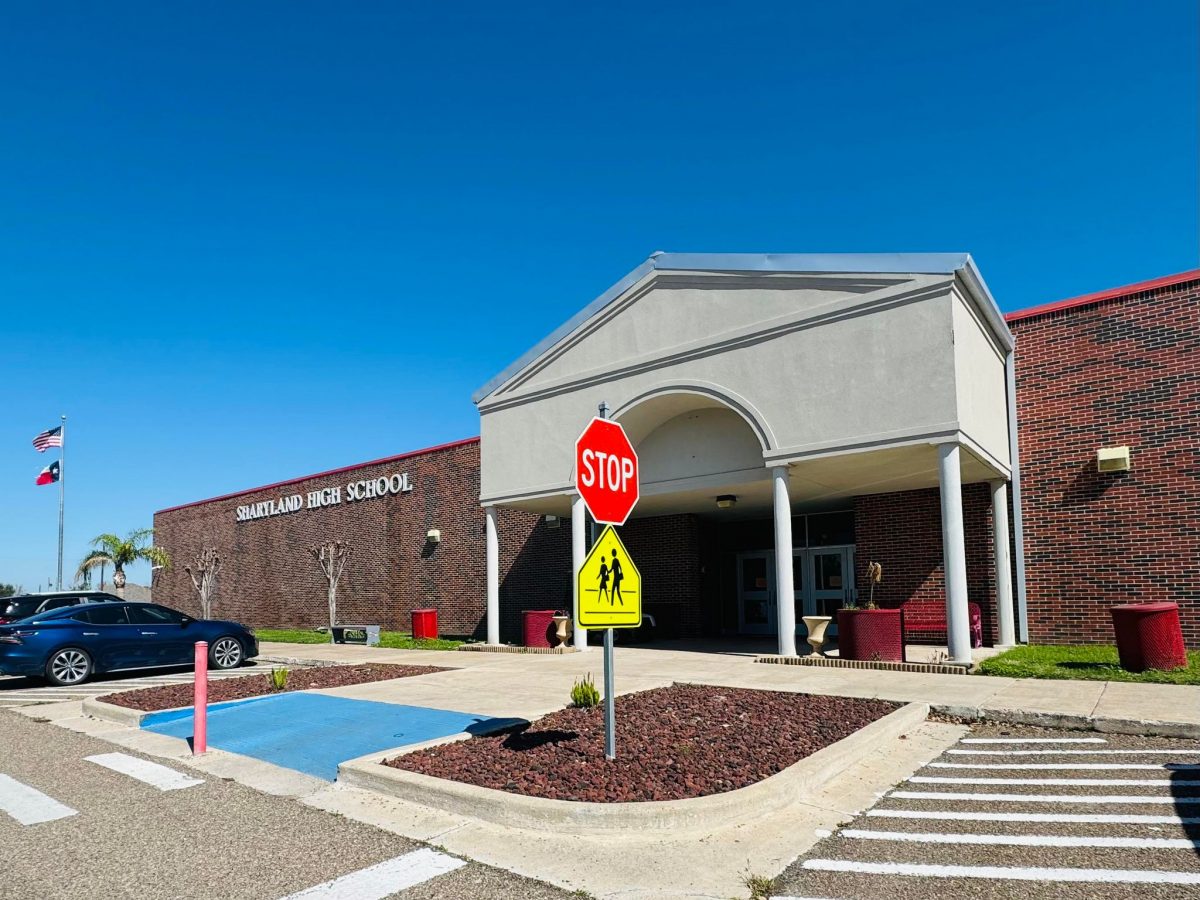
The Sharyland ISD Board of Trustees has officially approved a replacement chiller system for the Sharyland High School gymnasium at an estimated cost of $400,000. The decision addresses a long-standing infrastructure bottleneck that was previously stalled by post-pandemic price escalations. This critical capital allocation marks the beginning of a multi-phase modernization effort for the facility’s climate control infrastructure, ensuring that students, staff, and community members will benefit from enhanced cooling capacity.
What Changed
The Sharyland ISD Board of Trustees voted to approve a budget amendment that reallocates $400,000 from the unassigned fund balance directly into the general fund. This financial maneuver secures the capital required to purchase and install a modern replacement chiller system for the Sharyland High School gymnasium.
Originally, the district planned to finance this environmental control project using a federal grant from the Elementary and Secondary School Emergency Relief (ESSER) Fund. While ESSER allocations successfully funded other campus HVAC updates across the district, funds ultimately ran out before the gymnasium project could be initiated due to severe price escalations during the COVID-19 pandemic.
The current infrastructure relies on a 12-year-old, 120-ton chiller system that has long been insufficient for the space it covers. The newly authorized replacement will feature a significantly larger 180-ton system designed to adequately cover both Sharyland High School gyms.
Context and Background
Maintaining reliable climate control across large institutional spaces presents a continuous operational challenge for modern school districts. Sharyland ISD encompasses a total of 52 buildings distributed throughout the district, with 13 operating specifically as schools. District leadership notes that maintaining air conditioning units is a daily struggle, driven heavily by rising equipment costs and intense regional temperatures.
District officials have noted the persistent public demand for reliable climate control, particularly during periods of extreme heat. Superintendent Dr. Elaine Howard emphasized the severity of these environmental conditions, stating that these are exceptionally hot times and that air conditioning has become a major recurring expenditure that districts must actively manage.
Business and Financial Implications
Reallocating $400,000 from the unassigned fund balance to the general fund requires strict fiscal oversight and transparent accounting practices. To address potential public and board-level scrutiny regarding fund reallocations, Superintendent Dr. Elaine Howard provided a formal commitment during proceedings.
Dr. Howard committed that the authorized budget amendment monies will receive absolute accounting oversight. Furthermore, she explicitly assured stakeholders that the funds will not be redirected toward projects outside of the requested air conditioning use.
Technical Scope and Limitations
The approved chiller replacement represents only phase one of a broader, long-range master plan to overhaul the gymnasium’s complete HVAC infrastructure. The new 180-ton equipment is intended to bring significantly more power and effectively push conditioned air into the facility, resolving the limitations of the legacy 120-ton system.
However, significant work remains beyond the primary equipment swap. Phase two of the initiative will consist of upgrading the remaining infrastructure, including necessary adjustments to venting, ducting, and air handlers.
Crucially, distinct operational limitations remain regarding the subsequent phases of the project. There is currently no projected timeline for completing phase two or addressing the remaining infrastructural components, highlighting that district leadership views the chiller replacement as the most urgent priority while long-range solutions are evaluated down the road.
Sector Impact and Stakeholder Reactions
Facility upgrades of this scale highlight the ongoing financial pressures facing public educational institutions as federal pandemic-relief funding sunsets. Districts nationwide continue to grapple with deferred maintenance backlogs accrued during periods of high inflation and supply chain disruption.
District leadership maintains that tackling the chiller system is the most vital step at this exact moment. As Mark Dougherty, Julio Cerda, and Dr. Elaine Howard navigate regional facility management, the successful execution of this $400,000 capital project serves as a critical test for managing district infrastructure needs independently of temporary federal grants.
What to Watch Next
Observers and district stakeholders will monitor the physical installation of the 180-ton chiller system to verify that it meets cooling demands across both Sharyland High gyms. Additionally, attention will shift toward future board meetings for announcements regarding timelines, cost estimates, and funding mechanisms for phase two infrastructure improvements involving venting, ducting, and air handlers.