
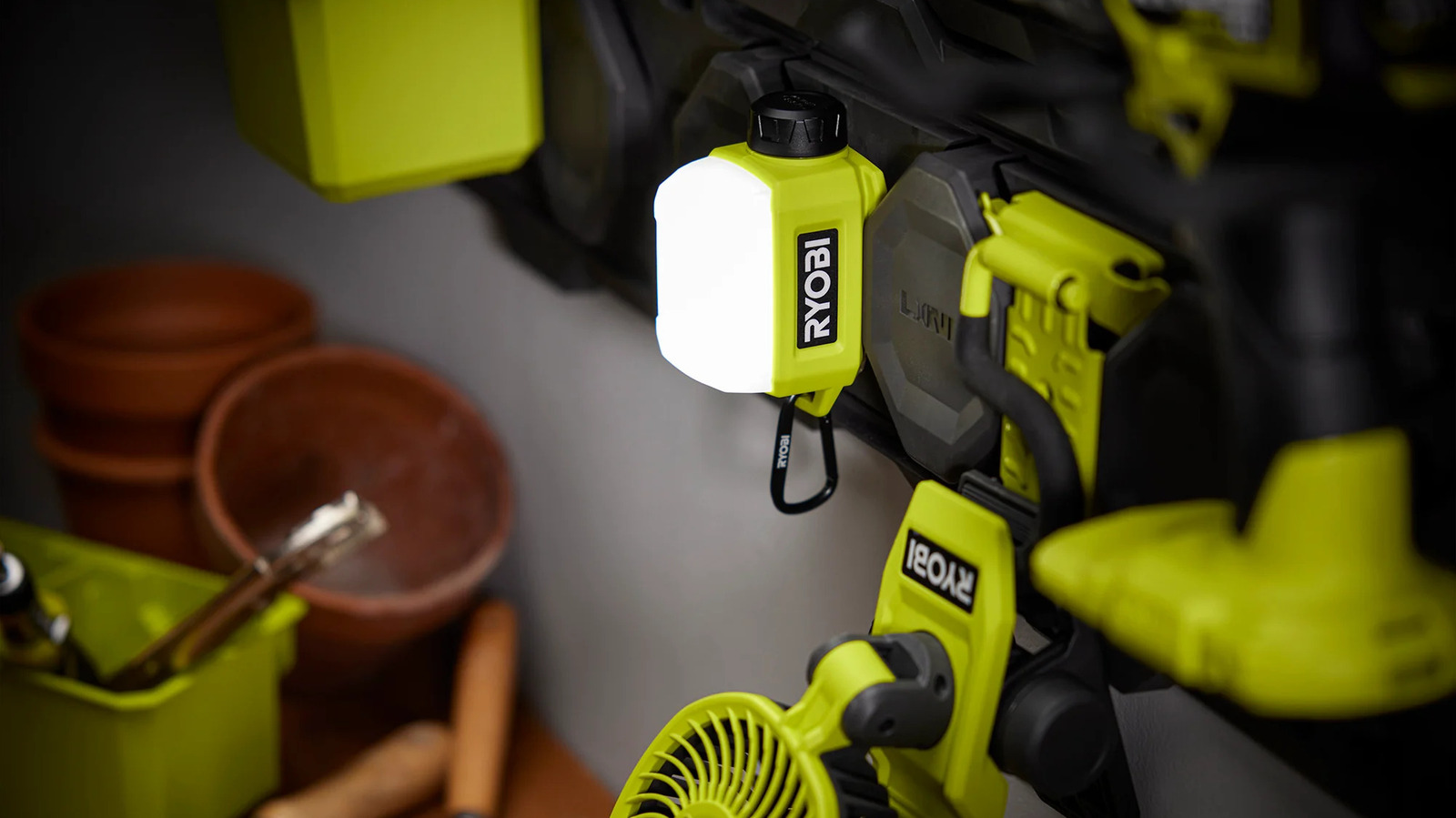
Ryobi USB Lithium Lights: Emergency Preparedness Essentials
In the realm of home improvement and outdoor utility, lighting is often an afterthought until a power outage or emergency strikes. Ryobi has positioned its USB Lithium line as a critical component of modern emergency preparedness, offering a dozen different lighting products that prioritize affordability and interoperability. Unlike traditional battery-operated flashlights that rely on disposable cells, the Ryobi USB Lithium ecosystem utilizes interchangeable batteries across tools to maximize runtime and reduce waste. This approach not only lowers the long-term cost of ownership but also ensures that users have a reliable power source when the grid fails.
The strategic value of these lights lies in their versatility. Whether you are navigating a dark basement during a storm or setting up a campsite, the ability to swap batteries between a headlamp, a flashlight, and an area light provides a flexible lighting solution. Ryobi’s recent launch of an 18V One+ storm preparation kit in fall 2026 underscores the company’s commitment to providing comprehensive solutions for severe weather events. However, the USB Lithium line remains the most accessible entry point for consumers looking to build a robust emergency kit without investing in high-voltage professional tools.
What Changed: The Rise of Interchangeable USB Lithium Lighting
The shift toward USB Lithium lighting represents a significant evolution in consumer tool design. Historically, emergency lighting was fragmented, with each device requiring its own specific battery type. Ryobi’s USB Lithium platform changes this dynamic by standardizing the power source. The batteries are interchangeable across the entire line, meaning a single charged battery can power multiple devices sequentially or simultaneously. This interoperability is a key differentiator, as it allows users to prioritize runtime by distributing power where it is needed most.
Furthermore, the integration of USB-C charging into the ecosystem simplifies recharging. In an emergency, finding a compatible charger can be a logistical hurdle. By using standard USB-C cables, Ryobi ensures that users can recharge their lights using a wide variety of power banks, laptop chargers, or car adapters. This standardization reduces the complexity of emergency planning, making it easier for households to maintain a ready-to-use lighting inventory.
Key Benefits: Runtime, Brightness, and Durability
When evaluating emergency lighting, three metrics are paramount: runtime, brightness (measured in lumens), and durability. Ryobi’s USB Lithium lineup addresses all three with specific configurations tailored to different use cases.
1. Compact Area Light Kit
The Ryobi USB Lithium Compact Area Light Kit is priced at $29.97, making it one of the most affordable options in the line. It emits 300 lumens, which is sufficient for general area illumination in a living room or garage. The kit includes three brightness settings plus a strobe mode, offering flexibility for different situations. On its lowest setting, the light delivers up to 52 hours of runtime, a substantial duration for a device of this size. This extended runtime is particularly useful for prolonged power outages where recharging opportunities may be limited.
The light also features a red LED low-battery indicator, a practical feature that alerts users when it is time to recharge or swap batteries. In terms of durability, the Compact Area Light carries an IP54 rating. This rating indicates protection against dust and water splashes, making it suitable for use in damp basements or outdoor areas with light rain. However, it is important to note that an IP54 rating does not mean the device is waterproof; it should not be immersed in water.
2. Compact Flashlight Kit
For more focused illumination, the Ryobi USB Lithium Compact Flashlight Kit is priced at $39.97, including the battery and charger. This model emits 600 lumens, providing a brighter beam than the area light. The higher lumen output is beneficial for tasks that require precision, such as reading maps or inspecting equipment in the dark. On its low setting, the flashlight provides up to 18 hours of runtime. While this is less than the area light’s 52 hours, the trade-off is the increased brightness and focused beam.
Like the area light, the Compact Flashlight also carries an IP54 rating, offering protection against dust and water splashes. This makes it a reliable choice for outdoor use in inclement weather. The inclusion of a charger in the kit ensures that users have a dedicated method for recharging, although the USB-C compatibility allows for additional flexibility.
3. Magnetic Headlamp Kit
The Ryobi USB Lithium Magnetic Headlamp Kit is designed for hands-free operation, a critical feature for emergency tasks that require both hands, such as first aid or repairs. The headlamp provides up to 575 lumens, placing it in the mid-range of the lineup in terms of brightness. It comes with adjustable head straps for a secure fit and a 2Ah battery. The kit also includes a USB-C charging cable, which is essential for maintaining the battery’s charge.
One of the standout features of the magnetic headlamp is its detachable design. The light can be removed from the straps to function as a standalone light, offering versatility in how it is used. The headlamp offers multiple lighting modes, including white light at high, medium, and low brightness, as well as flashing modes. It also includes red lighting modes, including flashing red. Red light is particularly useful in emergency situations as it preserves night vision and is less likely to disturb others or attract unwanted attention.
Technical and Business Explanation: Why Interchangeability Matters
The technical foundation of the Ryobi USB Lithium line is its battery architecture. By using a standardized 2Ah battery across multiple devices, Ryobi reduces the cognitive load on consumers. In an emergency, the last thing a user wants to figure out is which battery fits which device. The interchangeability ensures that a single battery can be used to power a headlamp for hands-free work, then swapped into a flashlight for a focused beam, and finally into an area light for general illumination.
From a business perspective, this strategy encourages ecosystem lock-in. Once a consumer purchases one USB Lithium device, they are more likely to purchase additional devices from the same line to take advantage of the shared battery. This increases the average order value and customer lifetime value. Additionally, the affordability of the entry-level kits, such as the $29.97 area light, lowers the barrier to entry, making it easier for a broader audience to adopt the platform.
The inclusion of USB-C charging is also a strategic move. As USB-C becomes the universal standard for charging, Ryobi aligns its product line with consumer expectations. This reduces the need for proprietary chargers, which can be lost or damaged. In an emergency, the ability to use a standard USB-C cable from a laptop or power bank is a significant advantage, ensuring that the lights can be recharged even if the dedicated charger is unavailable.
Risks and Limitations: Understanding IP54 and Runtime
While the Ryobi USB Lithium lights offer numerous advantages, it is essential to understand their limitations. The IP54 rating, for example, is often misunderstood. It indicates protection against dust and water splashes, but it does not mean the device is waterproof. Users should avoid immersing the lights in water, as this could damage the internal components. For heavy rain or submersion, a higher IP rating would be required.
Runtime is another factor to consider. While the area light offers up to 52 hours on the lowest setting, this runtime decreases significantly at higher brightness levels. Users should plan their usage accordingly, conserving battery life by using the lowest setting necessary for the task. The magnetic headlamp, for instance, is claimed to provide 24 hours or more of runtime using the included 2Ah battery, but the exact runtime can vary depending on the brightness mode and usage patterns.
Additionally, the reliance on USB-C charging means that users must have access to a power source to recharge the batteries. In a prolonged emergency where grid power is unavailable, users may need to rely on solar chargers or power banks. It is advisable to keep these backup power sources charged and readily accessible.
Sector Impact: Emergency Preparedness and Consumer Tools
The emergence of affordable, interchangeable lighting systems like Ryobi’s USB Lithium line has a broader impact on the emergency preparedness sector. Traditionally, emergency kits have been dominated by disposable batteries and single-purpose devices. The shift toward rechargeable, interchangeable systems represents a more sustainable and cost-effective approach. This trend is likely to influence other manufacturers to adopt similar strategies, leading to a more standardized and user-friendly emergency lighting market.
For consumers, this means that building an emergency kit is no longer a one-time purchase but an ongoing process of maintaining and updating a system of interchangeable components. This shift requires a different mindset, one that emphasizes planning and maintenance over simple acquisition. However, the benefits in terms of reliability and cost savings are significant.
Business Implications: Affordability and Ecosystem Growth
Ryobi’s strategy of offering affordable entry points into its USB Lithium ecosystem is a smart business move. By pricing the Compact Area Light Kit at $29.97, Ryobi makes it accessible to a wide range of consumers. This low barrier to entry encourages trial, and once users experience the convenience of interchangeable batteries, they are more likely to invest in additional devices. This ecosystem approach not only drives sales but also builds brand loyalty.
The inclusion of a charger in the Compact Flashlight Kit and the USB-C cable in the headlamp kit further enhances the value proposition. These inclusions reduce the total cost of ownership and simplify the user experience. For Ryobi, this strategy positions the USB Lithium line as a comprehensive solution for both home and outdoor use, appealing to a diverse customer base.
Who May Be Affected: Homeowners, Campers, and Emergency Responders
The Ryobi USB Lithium lights are particularly relevant for homeowners who want to ensure their families are prepared for power outages. The area light and flashlight are ideal for general household use, providing reliable illumination in common areas. For campers and outdoor enthusiasts, the magnetic headlamp and flashlight offer hands-free and focused lighting, respectively. The IP54 rating makes these lights suitable for outdoor use in various weather conditions.
Emergency responders and first aid providers may also benefit from the magnetic headlamp’s hands-free design and red light mode. The ability to preserve night vision and provide focused illumination is crucial in emergency situations. The interchangeability of the batteries ensures that responders can quickly switch between devices as needed, maximizing efficiency.
What to Watch Next: Future Developments in USB Lithium Technology
As Ryobi continues to expand its USB Lithium line, consumers can expect further innovations in lighting technology. The recent launch of the 18V One+ storm preparation kit in fall 2026 suggests that Ryobi is investing in comprehensive emergency solutions. Future developments may include higher-capacity batteries, improved lumens, and enhanced durability ratings. Additionally, the integration of smart features, such as app connectivity or automatic brightness adjustment, could further enhance the user experience.
Consumers should also watch for updates to the IP ratings of the devices. As weather events become more severe, the demand for more durable and waterproof lighting will likely increase. Ryobi’s commitment to affordability and interoperability will be key to maintaining its competitive edge in this evolving market.
Practical Recommendations for Emergency Kits
Based on the features and benefits of the Ryobi USB Lithium lights, here are some practical recommendations for building an emergency kit:
1. Start with the Compact Area Light Kit: At $29.97, this is the most affordable option and provides general illumination for up to 52 hours. It is ideal for living rooms and common areas.
2. Add the Compact Flashlight Kit: For focused illumination, the 600-lumen flashlight is a valuable addition. Its 18-hour runtime on low setting makes it suitable for extended use.
3. Include the Magnetic Headlamp Kit: For hands-free operation, the headlamp is essential. Its detachable design and red light mode offer versatility in emergency situations.
4. Maintain Battery Charge: Keep the 2Ah batteries charged and readily accessible. Use the included USB-C cables to recharge them using power banks or laptop chargers.
5. Understand the IP54 Rating: Remember that the lights are protected against dust and water splashes but should not be immersed in water. Use them in dry or lightly damp conditions.
By following these recommendations, consumers can build a reliable and cost-effective emergency lighting system using Ryobi’s USB Lithium line. The interchangeability of the batteries and the affordability of the kits make this a practical choice for a wide range of users.
Conclusion
Ryobi’s USB Lithium lights represent a significant advancement in emergency preparedness. By offering affordable, interchangeable, and durable lighting solutions, Ryobi addresses the key needs of consumers in a changing climate. The Compact Area Light, Compact Flashlight, and Magnetic Headlamp kits provide a comprehensive range of options for different use cases. With a focus on runtime, brightness, and durability, these lights are well-suited for both home and outdoor use. As the demand for reliable emergency lighting continues to grow, Ryobi’s ecosystem approach is likely to set the standard for the industry. Consumers who invest in this line will benefit from a versatile and cost-effective lighting solution that is ready for any emergency.