
Factual Lead
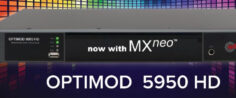
Sage Alerting Systems and Orban Labs have partnered, with the cooperation of DNAV, to demonstrate a next-generation Emergency Alert System (EAS) hosted directly inside the OPTIMOD 5950 HD product. The demonstration takes place at NAB Show New York, opening at the Javits Center on October 21. According to the companies, this collaboration aims to advance broadcast radio alerting by integrating sophisticated software features directly into established audio processing hardware.
What Changed
The cooperative showcase centers around running next-generation Emergency Alert System software directly on hardware units rather than relying strictly on standalone, single-purpose hardware boxes. Specifically, the demonstration features Sage’s next-generation EAS software hosted inside an Orban OPTIMOD 5950 HD processor.
According to Harold Price, President of Sage Alerting Systems, this setup features an advanced version of Sage’s web interface alongside all other EAS functions required by radio users. These functions include IPAWS CAP (Integrated Public Alert and Warning System Common Alerting Protocol) reception and RWT (Required Weekly Test) generation.
Orban Labs has heralded this update to its OPTIMOD 5950 HD product as a development that will revolutionize Emergency Alert System alerting for broadcast radio stations across the United States.
Context and Background
This demonstration builds directly upon previous regulatory filings and industry advocacy. Harold Price noted that this is the first full demonstration of the capabilities detailed in an NAB petition submitted to the Federal Communications Commission last year. That petition requested that regulators allow broadcasters to support Emergency Alert System capabilities via software rather than relying solely on dedicated, separate EAS hardware.
The public showcase at NAB Show New York at the Javits Center provides industry professionals their first look at how this software-defined integration functions in practice, supported by DNAV’s cooperation.
Business Implications
For broadcast radio stations, transitioning alert capabilities into multi-function processing hardware could alter equipment purchasing and studio infrastructure layouts. Instead of maintaining entirely separate hardware units for emergency alerts and audio processing, stations may have the opportunity to consolidate functions.
Orban Labs Worldwide VP of Sales Mike Pappas noted that while the product is being demonstrated to the public, it is not available for purchase yet. Broadcasters and station engineers must factor this timeline into their future capital expenditure and studio upgrade planning.
Technical Explanation
The core architectural shift involves moving traditional EAS functions from dedicated single-purpose hardware boxes into an add-in software implementation running directly on an existing audio processing platform.
In this configuration, the Orban OPTIMOD 5950 HD audio processor hosts the Sage software layer. The system handles crucial tasks including IPAWS CAP reception and RWT generation, while exposing these features through an advanced version of Sage’s web interface designed for broadcast engineering staff.
Risks and Limitations
While the technology has reached the demonstration phase, practical deployment faces important regulatory hurdles. Regulatory approval from the FCC is currently pending.
Although approval is expected soon, the exact timeline for market availability remains bound by the commission’s formal review process. Mike Pappas confirmed that the product cannot be purchased until regulatory milestones are cleared.
Who May Be Affected
- Broadcast Radio Engineers: Technical personnel who manage station compliance, audio processors, and emergency alerting equipment will see changes in how systems are configured and maintained.
- Station Management and Owners: Broadcasters planning equipment upgrades will need to monitor FCC approval timelines and equipment consolidation options.
- Equipment Manufacturers: Companies operating in the broadcast hardware and software sectors may need to adapt to the shifting regulatory and architectural landscape initiated by the NAB petition.
What to Watch Next
- FCC Regulatory Decisions: Observers will be watching for formal FCC action regarding the NAB petition that permits software-based EAS support.
- Commercial Release Timelines: Following the demonstration at NAB Show New York, industry stakeholders await updates from Orban Labs and Sage regarding commercial availability dates once regulatory clearance is secured.