
Introduction
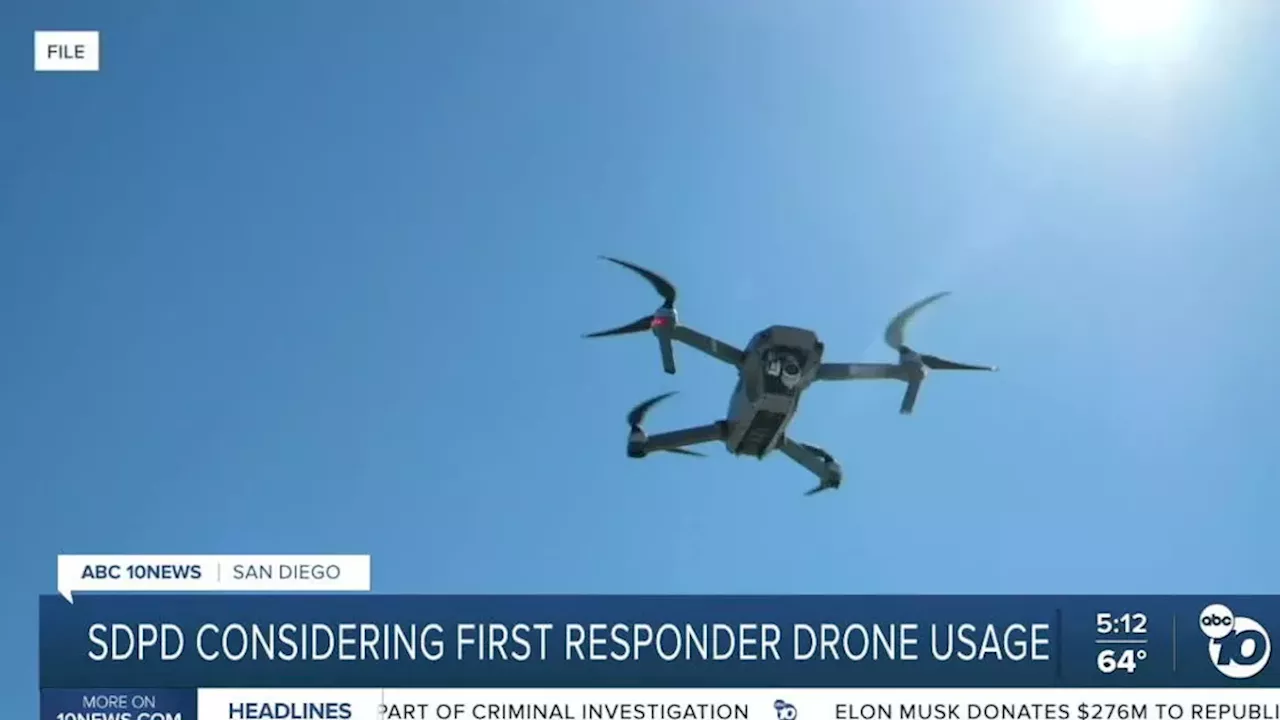
San Diego Police Chief Scott Wahl wants to use drones as first responders under a newly proposed department initiative. The initiative aims to deploy unmanned aircraft from rooftop stations located across the city. These aerial devices would launch directly toward emergency scenes to arrive before ground patrol units.
The proposal marks a major potential shift in municipal emergency response tactics. By integrating remote-operated aerial technology into daily operations, the San Diego Police Department seeks to leverage real-time overhead intelligence. The plan forms part of a broader technology evaluation strategy that also includes exploring license plate readers and artificial intelligence tools for writing police reports.
What Changed
Under the leadership of Chief Scott Wahl, the San Diego Police Department has formally advanced plans to implement a Drones as First Responder, or DFR, program. The operational model envisions automated or remote-piloted drones stationed on rooftops at city-owned facilities, including police and fire stations.
When a priority call for service is logged, a drone can be dispatched immediately to fly directly to the scene. According to department projections, these units are intended to provide overhead visual footage within a minute to a minute and a half of dispatch. This response window is designed to place eyes on an active incident long before a marked squad car can navigate surface traffic.
The department has already presented the framework of the proposal to San Diego’s Privacy Advisory Board. This board directly governs the city’s strict surveillance ordinance, overseeing how municipal agencies deploy monitoring and tracking tools.
Context and Background
The concept of deploying aerial units ahead of ground personnel is not entirely new to the region. The neighboring city of Chula Vista successfully pioneered the Drone as First Responder model back in 2018, establishing a operational blueprint that other jurisdictions nationwide have subsequently studied or replicated.
San Diego’s push toward aerial response arrives alongside concurrent evaluations of other advanced policing technologies. Alongside the DFR proposal, the department is actively examining automated license plate readers and artificial intelligence applications intended to assist officers with drafting police reports.
However, launching such a program in San Diego involves navigating a uniquely complex regulatory and governance framework. Chief Wahl noted during public presentations that the city operates under specific local oversight rules.
As attributed in reporting by Jared Aarons for ABC 10News, Chief Wahl emphasized the deliberate nature of the rollout: “Listen, we didn’t just jump into this technology on a whim.” He further noted the strict local governance structure, stating, “San Diego is unique in that we have a Privacy Board that is governed by the surveillance ordinance. We want to make sure in this city that we’re utilizing technology in a safe and responsible way.”
Key Benefits and Operational Goals
The primary operational advantage of the DFR model centers on reducing response latency and improving situational awareness for officers approaching high-risk or dynamic situations.
Chief Wahl stated that drones arriving within a minute to a minute and a half help identify suspects leaving a scene before officers arrive. By capturing real-time video footage of fleeing suspects or ongoing criminal activity, dispatchers can relay precise descriptions and trajectories to responding ground units instantly.
Furthermore, department leadership points to empirical observations from peer jurisdictions deploying similar technology. Chief Wahl stated that other cities using the technology have seen their call volume reduced by 20 to 30 percent in some areas, potentially by resolving certain calls or screening out unfounded dispatches before committing physical patrol resources.
Risks, Limitations, and Regulatory Hurdles
Despite the potential operational efficiencies, the initiative faces significant airspace and regulatory limitations. San Diego’s regional airspace is exceptionally congested and heavily regulated. The presence of multiple military installations, San Diego International Airport, Montgomery Field, Brown Field, and other municipal and private airfields creates complex flight restrictions.
Due to this dense aviation environment, any operational deployment requires rigorous, FAA-governed training regimens for all participating drone operators. Maintaining compliance with federal aviation guidelines while simultaneously executing rapid-response urban flights presents a substantial logistical challenge.
Additionally, practical questions regarding the scale of the deployment remain unresolved. The exact number of drones needed to comprehensively cover San Diego remains a question the pilot project is designed to answer.
Privacy concerns also represent a central hurdle. Because the program requires deployment over residential and commercial neighborhoods, civil liberties advocates scrutinize the potential for continuous, blanket overhead surveillance. The ongoing review by the Privacy Advisory Board is intended to establish guardrails addressing these exact community concerns.
Sector Impact and Business Implications
From a municipal technology and vendor perspective, the formal introduction of a DFR framework opens pathways for specialized hardware and software providers. Rooftop docking station manufacturers, automated flight control software developers, and secure video streaming providers stand to benefit if major metropolitan police departments adopt the model at scale.
At the same time, municipal budgets must account for the high initial capital expenditure required to establish secure rooftop stations, procure weather-resistant tactical drones, and maintain compliant FAA training pipelines. The economic trade-off centers on whether the efficiency gains in patrol allocation and call diversion offset these substantial infrastructure investments.
Who May Be Affected
- San Diego Residents and Property Owners: Citizens living beneath proposed flight paths will experience increased overhead drone activity, subject to the privacy rules established by local ordinances.
- Patrol Officers: Frontline police personnel will receive real-time intelligence en route to calls, potentially altering tactical approaches to active incidents.
- Municipal Budget and Policymakers: City council members must weigh capital allocation costs against anticipated operational savings.
- Local Aviation Traffic: Commercial and private pilots navigating San Diego’s heavily regulated airspace must coordinate with expanded municipal drone operations.
What to Watch Next
The immediate next step for the proposal is formal review and approval by the San Diego City Council. Department leadership is hoping to have a pilot project in place after the start of the calendar year.
Observers will monitor the ongoing deliberations of the Privacy Advisory Board to see what specific amendments, data retention limits, or operational restrictions are placed on the department prior to council voting. Once the pilot launches, its performance metrics—specifically regarding response times, suspect apprehension rates, and community privacy feedback—will likely dictate whether the program expands permanently across the entire city.
Attribution
Factual reporting, background context, and direct quotes included in this article are sourced from investigative coverage by Jared Aarons for ABC 10News and public statements made by San Diego Police Chief Scott Wahl.