
Factual Lead and Store Network Growth
Off-price home decor retailer HomeGoods is accelerating its brick-and-mortar presence this autumn, scheduling nine new store launches across multiple geographic regions in October. The push represents a key component of the broader physical footprint strategy maintained by its parent corporation, The TJX Companies. As part of its corporate execution plan, TJX Companies is targeting more than 140 new store openings across its portfolio of retail brands—including HomeGoods, TJ Maxx, and Marshalls—by the conclusion of December.
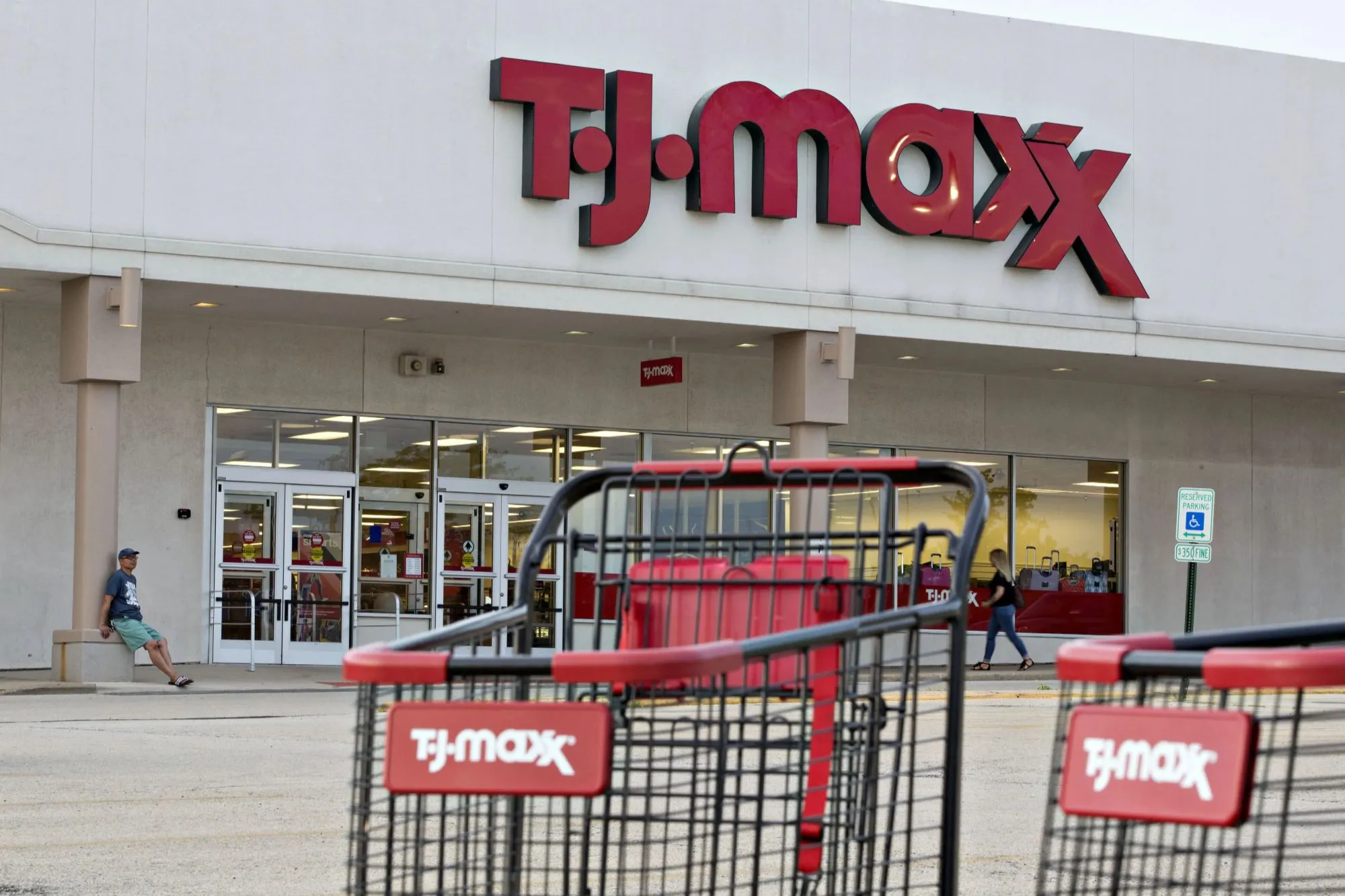
The slate of October HomeGoods store openings highlights a structured, staged rollout across northeastern, mid-atlantic, southern, and midwestern markets. The company’s expansion strategy combines new market entry, relocation of existing stores, and opportunistic real estate acquisitions. Recent real estate moves include taking over retail space previously occupied by Big Lots. Concurrently, TJX Companies has selectively trimmed its footprint in specific regional submarkets, having closed three TJ Maxx retail locations earlier this year in Massachusetts and Maryland.
What Changed: HomeGoods October Launch Schedule
HomeGoods has structured its October launch schedule into three distinct waves targeting specific geographic retail centers across the United States. In total, nine new locations will open their doors to customers over the course of the month, expanding access to the brand’s off-price home furnishings inventory.
Massachusetts Openings: Bedford and North Andover
Massachusetts will see two of the nine new HomeGoods locations open during October. The state rollout begins on October 15 with the opening of a store at the Great Road Shopping Center in Bedford. Later in the month, on October 29, HomeGoods will open its second new Massachusetts store at the North Andover Mall.
These openings strengthen the retailer’s presence in established Massachusetts suburban commercial hubs, positioning new stores within existing high-traffic retail developments.
Mid-October Wave: Pennsylvania, New York, and Kentucky
Following the mid-month launch in Bedford, HomeGoods will execute a synchronized three-state opening on October 22. This phase includes new retail locations in Pennsylvania, New York, and Kentucky.
By establishing simultaneous opening dates across three separate states, HomeGoods manages logistics and store setup in parallel across distinct regional sub-markets within the Mid-Atlantic and Upper South regions.
Late October Expansion: Texas, Oklahoma, and Florida
The largest single-day opening surge occurs on October 29, when HomeGoods opens locations across several southern and central states alongside the North Andover, Massachusetts location. In Texas, two separate stores will open on October 29, located in Baytown and Texarkana.
Additionally, October 29 marks the launch of a new HomeGoods location in Oklahoma, as well as the opening of a relocated store in Florida. This cluster of late-October dates completes the retailer’s nine-store October slate.
Real Estate Strategy and Site Acquisitions
The physical expansion strategy employed by HomeGoods reflects ongoing shifts in commercial real estate availability and chain store site selection. By evaluating existing retail infrastructure, the company leverages both new center development and secondary market real estate availability.
Second-Generation Retail Space: The Big Lots Transition
A notable aspect of the recent expansion strategy is the acquisition of second-generation commercial retail space. HomeGoods recently opened a store inside a location previously occupied by Big Lots. Utilizing existing retail footprints previously anchored by discount store operators allows retailers to reduce initial build-out timelines and re-enter established commercial corridors.
As traditional retail formats shift and regional store networks adjust, vacant big-box and mid-box spaces represent prime real estate for off-price retailers looking to scale their physical footprint without constructing entirely new commercial structures from the ground up.
Store Relocations and Site Optimization
In addition to net-new store additions, HomeGoods actively manages its real estate inventory through strategic store relocations. Among the openings scheduled for October 29 is a relocated store in Florida. Relocations allow off-price retailers to upgrade store layouts, optimize square footage, adjust to shifting consumer traffic patterns, or secure preferable lease terms within a given trade area.
TJX Companies Master Footprint Strategy
The October store launches represent one segment of a much larger physical retail strategy led by parent entity TJX Companies. The parent corporation continues to deploy capital into physical store networks across its flagship brands.
Multi-Brand Growth Across TJ Maxx, Marshalls, and HomeGoods
TJX Companies operates a diversified portfolio of off-price retail concepts. While HomeGoods focuses specifically on home decor, furnishings, and domestic goods, sister brands TJ Maxx and Marshalls focus on apparel, footwear, and accessories alongside home items. The expansion targets established by TJX Companies apply across this broader brand family, reinforcing physical store presence across multiple retail segments.
Year-End Target: Over 140 New Locations
By the end of December, TJX Companies plans to open more than 140 new stores across its brand portfolio nationwide. This multi-brand opening schedule reflects a continuous ramp-up of physical openings leading through the fourth quarter.
Network Rebalancing: Earlier Store Closures
While TJX Companies is pursuing aggregate footprint growth, the corporation has also taken strategic steps to shut down underperforming or redundant locations within its existing store network.
TJ Maxx Consolidation in Massachusetts and Maryland
Earlier this year, TJX Companies closed three TJ Maxx stores. The closures were concentrated in the Mid-Atlantic and Northeast regions, affecting one store location in Massachusetts and two store locations in Maryland.
These closures illustrate the balancing act involved in retail chain management: closing legacy or underperforming store assets while simultaneously opening new stores in higher-performing retail developments or underserved demographic regions.
Business Implications for Off-Price Retail
The concurrent expansion of HomeGoods and selective trimming of TJ Maxx locations provide insight into off-price retail operational strategies. Off-price business models depend on rapid inventory turnover, opportunistic purchasing of excess vendor inventory, and flexible physical space capable of accommodating constantly shifting product assortments.
Expanding physical locations during the fourth quarter positions new stores to capture retail activity during critical high-volume shopping periods. Furthermore, securing space in established suburban centers, such as Great Road Shopping Center and North Andover Mall, embeds stores directly within mature commercial trade zones.
Commercial Real Estate and Shopping Center Dynamics
The addition of HomeGoods stores to shopping centers like Great Road Shopping Center in Bedford, Massachusetts, and North Andover Mall in North Andover, Massachusetts, underlines the ongoing value of off-price retailers as anchor or sub-anchor tenants in strip centers and regional malls.
As traditional department stores and specialty retailers revise their footprint, off-price banners such as HomeGoods, TJ Maxx, and Marshalls often serve as primary foot-traffic drivers for commercial landlords. The ability of HomeGoods to take over former Big Lots spaces highlights how off-price store models can seamlessly adapt to standard mid-box retail footprints.
Risks, Limitations, and Operational Constraints
Despite the planned addition of more than 140 stores by December across the TJX Companies umbrella, physical retail expansion entails operational constraints and business risks:
- Real Estate Integration Risks: Converting second-generation spaces—such as former Big Lots locations—requires retrofitting layout, lighting, and backroom staging areas to conform to HomeGoods inventory management systems.
- Market Cannibalization: Adding new locations in existing markets like Massachusetts, where TJX already maintains a dense store network, requires precise trade-area management to prevent cannibalizing sales from existing locations.
- Portfolio Rebalancing Costs: Store closures, such as the three TJ Maxx locations closed earlier this year in Massachusetts and Maryland, involve lease termination costs, asset write-downs, and employee reallocation logistics.
- Regional Execution Volatility: Executing multiple openings across different states on single target dates (such as October 22 in PA, NY, KY and October 29 in TX, OK, FL, MA) demands tight regional logistics and staffing management.
What to Watch Next
As HomeGoods executes its nine October store openings, retail industry observers and commercial real estate analysts will be monitoring several key milestones through the end of the year:
- Completion of the October 15 opening at Great Road Shopping Center in Bedford, MA.
- Execution of the three simultaneous state openings in Pennsylvania, New York, and Kentucky on October 22.
- Completion of the five-store opening surge on October 29 across Baytown (TX), Texarkana (TX), Oklahoma, North Andover Mall (MA), and the relocated Florida venue.
- Progress toward TJX Companies’ target of opening more than 140 new stores across HomeGoods, TJ Maxx, and Marshalls by the end of December.
- Further acquisitions of second-generation retail real estate vacated by discount or mid-box retailers.
All cited store opening dates, location details, corporate expansion targets, and prior store closure records reflect official operational plans released by HomeGoods and TJX Companies.