
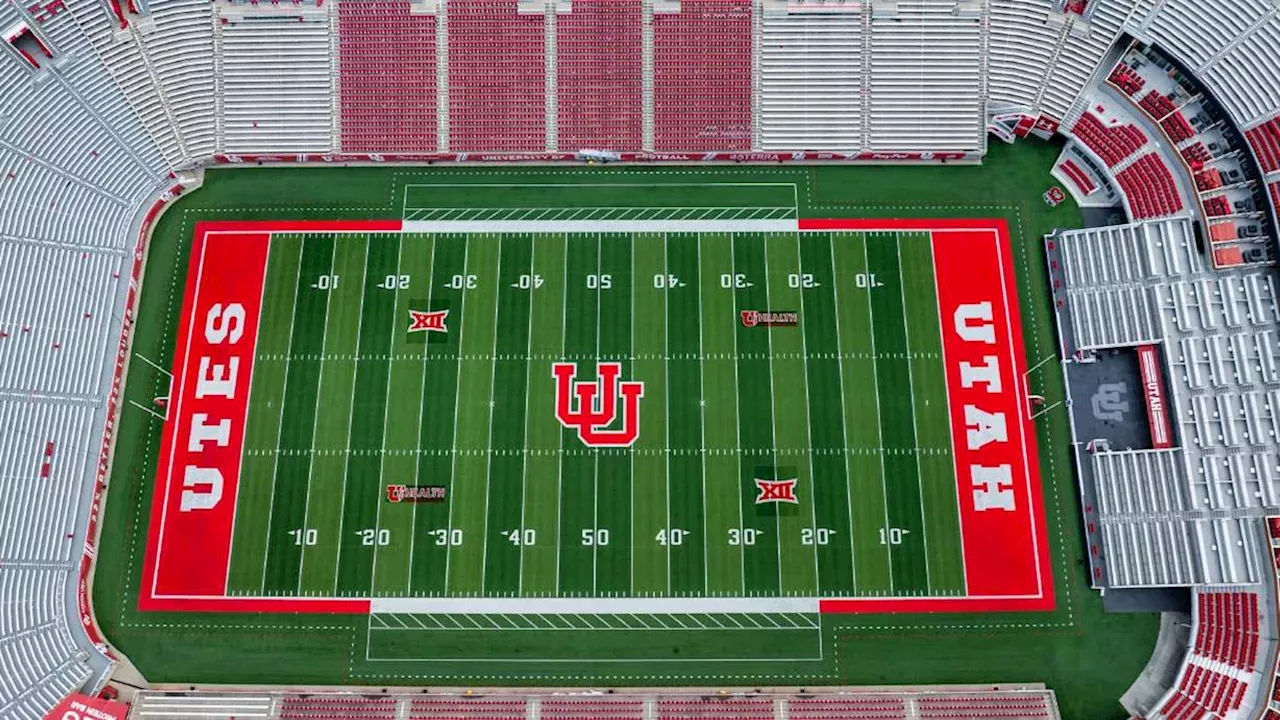
University of Utah trustees approve $39M renovation for Rice-Eccles Stadium, a decision that signals a substantial commitment to modernizing the university’s primary outdoor athletic venue. This approval represents a pivotal moment in the institution’s capital planning, authorizing the financial resources necessary to proceed with upgrades to a facility that serves as a cornerstone of the university’s athletic identity and community engagement. While the specific architectural details and engineering timelines remain under development, the trustee board’s action clears the path for a major infrastructure project that will impact the university’s long-term strategic goals.
What Changed
The most immediate and concrete change resulting from this decision is the formal authorization of a $39 million capital expenditure. In the governance structure of public universities, the board of trustees holds the ultimate authority over major financial commitments. By approving this specific amount, the board has moved the project from the conceptual or planning phase into the execution phase. This approval is not merely a symbolic gesture; it is a binding financial commitment that obligates the university to allocate funds, initiate procurement processes, and manage the logistical complexities of a large-scale construction project.
Prior to this approval, the project would have existed in a state of uncertainty, dependent on the board’s final vote. Now, the university’s administration has the mandate to move forward. This shift allows for the engagement of contractors, the finalization of design specifications, and the coordination of construction activities that will inevitably affect the stadium’s operations. The approval also serves as a public signal to stakeholders, including donors, fans, and student-athletes, that the university is prioritizing the maintenance and enhancement of its athletic facilities.
Context and Background
Rice-Eccles Stadium is a historic and significant venue for the University of Utah. As the home of the Utah Utes football team, the stadium is more than just a sports facility; it is a cultural landmark for the university and the broader Salt Lake City community. Over the years, like many collegiate athletic venues, the stadium has undergone various phases of use, wear, and technological obsolescence. The need for renovation often arises from a combination of factors, including the degradation of physical infrastructure, the desire to improve fan experience, and the necessity to meet modern safety and accessibility standards.
The decision to invest in such a facility is part of a broader trend in higher education where universities are increasingly competing for resources, both financial and human. In the realm of athletics, the quality of facilities is a key differentiator. Universities that maintain state-of-the-art facilities are often better positioned to attract top-tier student-athletes, secure lucrative media contracts, and generate higher revenue from ticket sales and concessions. Therefore, the approval of this renovation is not an isolated event but part of a strategic effort to remain competitive in the collegiate athletics landscape.
Technical and Business Implications
A $39 million investment is a significant sum, even for a large public university. The business implications of this project are multifaceted. First, there is the direct cost of construction, which includes materials, labor, and equipment. Second, there are indirect costs, such as the potential loss of revenue during construction periods if the stadium is partially or fully closed. Universities must carefully manage these risks to ensure that the long-term benefits outweigh the short-term disruptions.
From a technical perspective, stadium renovations often involve complex engineering challenges. These may include structural reinforcement, the installation of new seating systems, the upgrade of lighting and audio-visual equipment, and the integration of modern technology for data analytics and fan engagement. The specific technical details of the Rice-Eccles Stadium project are not yet fully public, but the scale of the investment suggests that the upgrades will be comprehensive rather than superficial. This could include improvements to the playing surface, the locker rooms, the press boxes, and the concourses.
The business model of collegiate athletics relies heavily on the ability to generate revenue from a variety of sources. A renovated stadium can enhance the fan experience, potentially leading to higher ticket prices and increased attendance. It can also create new revenue streams, such as premium seating, corporate sponsorships, and naming rights. Furthermore, a modern facility can attract larger events, such as bowl games or conference championships, which bring additional revenue and national exposure to the university.
Sector Impact and Competitive Landscape
The approval of this renovation places the University of Utah in the context of a broader competitive landscape within collegiate athletics. Many universities across the United States are investing heavily in their athletic facilities to gain a competitive edge. This trend is driven by the increasing commercialization of college sports, where revenue from media rights, ticket sales, and sponsorships has become a significant source of funding for athletic departments.
In this environment, failing to invest in facilities can result in a decline in competitiveness. Universities with outdated facilities may struggle to attract top recruits, who often consider the quality of the facilities when choosing where to attend school. They may also find it difficult to secure high-value media contracts, as broadcasters prefer to broadcast from modern, visually appealing venues. Therefore, the University of Utah’s decision to approve this renovation is a strategic move to maintain its position in the competitive landscape of collegiate athletics.
Limitations and Uncertainties
Despite the significance of the approval, there are several limitations and uncertainties associated with the project. First, the specific details of the renovation are not yet fully public. The available research facts do not provide a detailed breakdown of the $39 million budget, nor do they specify the exact scope of the work. This lack of transparency can lead to speculation and uncertainty among stakeholders. It is important for the university to communicate clearly about the project’s goals, timeline, and expected outcomes to build trust and support.
Second, large-scale construction projects are inherently complex and prone to delays and cost overruns. The university will need to manage these risks carefully to ensure that the project is completed on time and within budget. This will require strong project management, effective communication with contractors, and a contingency plan for unexpected issues. The university’s track record in managing large capital projects will be a key factor in determining the success of this renovation.
Third, the project may face opposition from some stakeholders who question the prioritization of athletic spending over academic or other institutional needs. In an era of increasing scrutiny of university finances, the university will need to justify the investment in the stadium by demonstrating its long-term benefits to the institution and the community. This may involve highlighting the potential for increased revenue, improved student-athlete recruitment, and enhanced community engagement.
Who May Be Affected
The renovation of Rice-Eccles Stadium will have a direct impact on a wide range of stakeholders. Student-athletes will benefit from improved facilities, which can enhance their training and performance. Fans will experience a more comfortable and engaging environment, potentially leading to higher satisfaction and loyalty. The university’s athletic department will need to manage the transition to the renovated facility, which may involve changes in operations, staffing, and revenue management.
The broader community may also be affected, as the stadium is a significant landmark and a source of economic activity for the surrounding area. Construction activities may cause temporary disruptions, such as traffic congestion and noise, but the long-term benefits of a modern facility may include increased tourism and economic development. The university will need to engage with the community to address concerns and build support for the project.
What to Watch Next
As the project moves forward, several key developments will be worth monitoring. First, the university is expected to release more detailed information about the renovation, including the specific scope of work, the timeline, and the funding sources. This information will be crucial for stakeholders to understand the project’s goals and expectations. Second, the selection of contractors and the start of construction will be important milestones. The university’s ability to manage the construction process effectively will be a key factor in determining the project’s success.
Additionally, the university’s communication strategy will be important. Clear and transparent communication can help build trust and support among stakeholders, while poor communication can lead to confusion and opposition. The university will need to balance the need for transparency with the need for confidentiality, particularly regarding sensitive financial and operational details. Finally, the long-term impact of the renovation on the university’s athletic program and its financial health will be a key area of focus. The university will need to measure the project’s success against its initial goals and make adjustments as needed.
FAQ
What is the total cost of the Rice-Eccles Stadium renovation?
The total cost of the renovation is $39 million, as approved by the University of Utah trustees.
When will the renovation begin?
The specific start date for the renovation has not been announced in the available research facts. Stakeholders should monitor official university announcements for updates on the timeline.
What are the main goals of the renovation?
The main goals of the renovation are to modernize the facility, improve the fan experience, and enhance the university’s competitiveness in collegiate athletics. Specific details about the scope of the work are not yet fully public.
How will the renovation affect the university’s finances?
The renovation will require a significant financial investment, but it is expected to generate long-term benefits, including increased revenue from ticket sales, sponsorships, and events. The university will need to manage the costs carefully to ensure that the project is financially sustainable.
Who is responsible for managing the project?
The University of Utah’s administration is responsible for managing the project. This includes overseeing the design, construction, and financial aspects of the renovation. The university may also engage external contractors and consultants to assist with the project.