
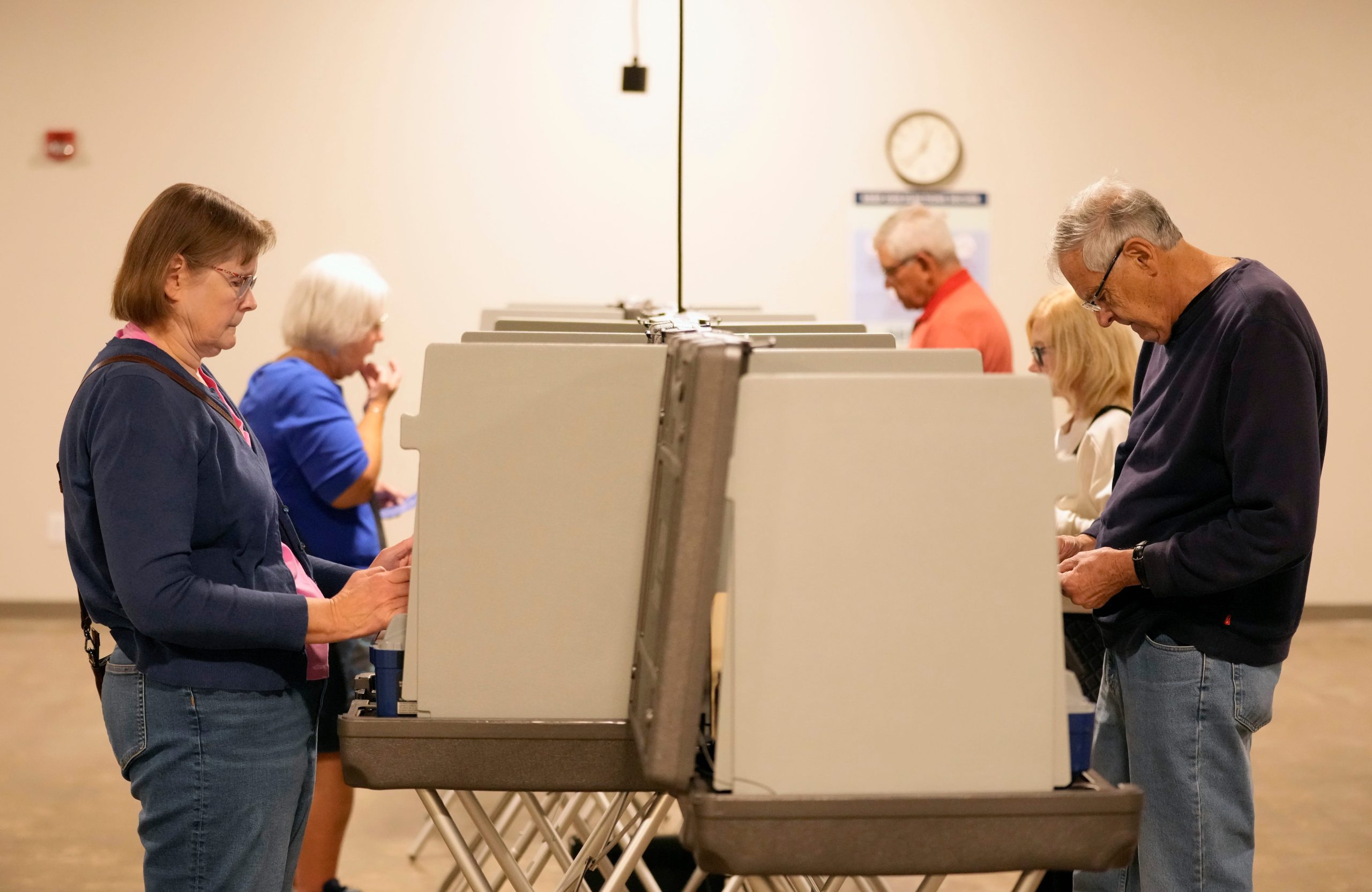
Most Delaware County voters are to consider a 0.2% sales or use tax dedicated to transit under a proposed Delaware County transit tax measure. According to reporting published on October 14, 2026, the countywide ballot initiative places the decision directly before local electors, offering voters the choice to establish a dedicated sales and use tax stream for regional public transportation.
What Changed
The fundamental element of this ballot initiative is the proposed creation of a 0.2% sales or use tax specifically earmarked for public transit. Rather than relying exclusively on traditional funding streams such as general fund allocations, property taxes, or state and federal grants, the measure proposes a transactional tax applied across Delaware County.
If approved by voters, the additional 0.2% rate would apply to taxable sales and use transactions within the participating areas of the county. This proposal represents a targeted approach to funding local transit initiatives through a direct consumer-facing tax mechanism.
Context and Background
Public transportation systems across various regions rely on a combination of local, state, and federal revenue sources to fund daily transit services, equipment maintenance, and long-term capital investments. Dedicated sales and use taxes are a common public financing tool utilized by local governments and transit authorities to secure recurring revenue.
Sales and Use Tax Mechanics
A sales tax is assessed at the point of sale on eligible goods and services purchased within a jurisdiction. A use tax applies to taxable items or services purchased outside the jurisdiction but used, stored, or consumed locally, ensuring consistency across commercial transactions.
Under a 0.2% sales or use tax rate, an eligible purchase of $100 would incur an additional $0.20 in tax explicitly dedicated to transit services. Across cumulative retail and commercial activity in a county, such dedicated taxes accumulate to provide ongoing fiscal resources for transit operations.
Countywide Scope
The measure is set before most Delaware County voters, reflecting a broad scope across local communities. Countywide transit levies are typically designed to finance transportation systems that cross municipal borders, supporting regional connectivity for residents, workers, and businesses.
Business Implications and Sector Impact
The potential introduction of a 0.2% sales or use tax carries practical implications for local businesses, commercial retailers, and public transit management.
Impact on Commercial Merchants and Retailers
For commercial enterprises operating within Delaware County, an approved sales or use tax increase requires adjustments to administrative and financial operational systems:
- Point-of-Sale System Updates: Merchants must update point-of-sale (POS) software, checkout systems, and billing engines to calculate the revised tax rate accurately on taxable transactions.
- Tax Compliance and Reporting: Corporate accounting departments must process and remit collected sales and use tax revenues to the appropriate revenue collection agencies in accordance with established reporting schedules.
- Pricing Dynamics: Businesses operating near county borders must account for subtle differences in sales tax rates relative to neighboring jurisdictions.
Implications for Transit Planning
For regional public transportation authorities, dedicated local funding offers structural advantages:
- Revenue Predictability: Dedicated tax revenues provide a consistent fiscal base, aiding transit authorities in long-term operational planning and scheduling.
- Capital Support: Earmarked funds can support capital improvements, such as vehicle acquisitions, facility repairs, and system modernization.
- Matching Grant Eligibility: Local tax revenue often serves as matching funds required to apply for competitive state or federal transit infrastructure grants.
Who May Be Affected
Several key stakeholder groups within Delaware County are directly situated relative to the proposed ballot measure:
- Local Voters: Registered electors residing in Delaware County will decide whether to approve or reject the 0.2% sales or use tax levy.
- Consumers and Shoppers: Residents and visitors making taxable purchases within the county would pay the additional 0.2% tax on eligible transactions if the measure passes.
- Commercial Businesses: Retailers and service providers operating in the county must implement the necessary tax collection and remittance protocols.
- Public Transit Agencies: Transportation operators stand to receive dedicated funding if the measure succeeds, or must rely on existing revenue mechanisms if it fails.
Limitations and Uncertainties
While the core parameter of the proposal—a 0.2% sales or use tax dedicated to transit—is established, significant data gaps remain within the available research context:
- Revenue Projections: Precise annual tax revenue estimates and cumulative financial projections for Delaware County were not provided in the input data.
- Specific Ballot Details: Detailed language of the ballot measure, full administrative guidelines, and specific jurisdictional boundaries across all Delaware County sub-districts were not included in the available research.
- Source Documentation: Complete text from the original October 14, 2026 reporting source was not provided, limiting additional detail regarding campaign statements or formal arguments for and against the levy.
Because detailed fiscal projections and official voter guides were not provided in the input context, definitive conclusions regarding total projected revenue or exact administrative implementation schedules cannot be stated at this time.
What to Watch Next
As the decision comes before Delaware County voters, key indicators will provide additional context regarding the proposed measure:
- Official Election Documentation: Release of official voter guides and full ballot text by local election boards.
- Fiscal Impact Statements: Publication of official revenue projections by county financial officers or tax authorities.
- Implementation Schedules: Guidance from state and local tax authorities detailing timeline requirements for business POS updates following the vote.
Stakeholders and observers should consult local election authorities and official county publications for further updates on the Delaware County transit tax proposal.