
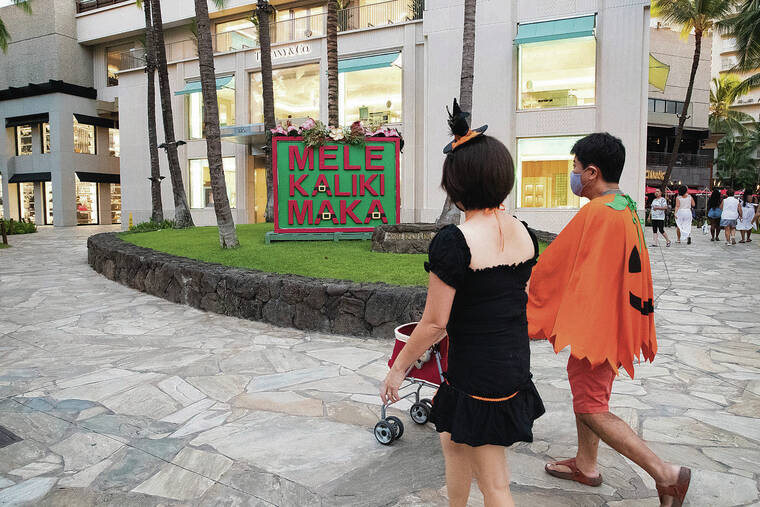
Hawaii’s holiday travel outlook not too merry amid high costs as operators across the islands confront a shifting economic landscape for the year-end season. Data from hospitality consultants, consumer research firms, and local tourism authorities show that travelers are cutting back on trip durations, trading down lodging tiers, or postponing trips altogether in response to sharp airfare increases and broader financial pressures.
What Changed
Recent data from Hawaii hotel operators reveals that the booking pace for the holiday season is currently running about 15% behind last year’s level. This slowdown follows a soft fall period across the islands. According to Keith Vieira of KV & Associates Hospitality Consulting, September and October are typically the strongest booking months for the festive season, but booking pace has remained soft for fall, year-end, and the first quarter of 2027. Vieira noted that operators are not seeing the frantic, fully booked booking windows typical of previous peak periods, stating, “We see a soft fall, we see a soft year-end festive, and we definitely see a soft booking pace for the first quarter” and “We aren’t hearing, ‘Hey, it’s full. You’ve got to book.’”
At the same time, air travel costs have climbed significantly. A report from Hopper indicates that Thanksgiving airfares are up 31% from a year ago, while Christmas airfares are up 23%. These jumps position the season as the most expensive holiday travel period in a decade. However, Going’s holiday travel outlook points out that international airfares have largely remained unchanged, highlighting domestic travel routes as a primary driver of inflationary pressure.
Consumer Behavior and Travel Intentions
Broader consumer studies underline how household budgets are responding to these costs. Circana’s holiday purchase intentions study found that over one-third of consumers are postponing or canceling holiday travel due to high costs. PwC reported that 40% of consumers plan to travel during the holidays, representing a 4-percentage-point drop from last year. Additionally, PwC projects holiday travel spending per traveler to fall 24% this year, dropping from $553 to $419.
Financial constraints are also prompting strategic changes in how people travel. PwC data indicates that 33% of holiday travelers plan to drive instead of fly, and 38% plan to stay in budget or midrange hotels. Interestingly, high-income households are also adjusting; 50% of households earning $150,000 or more plan to travel while trading down on expenses.
Tom McGee stated that consumers are willing to make sacrifices for holiday traditions but are being careful about where and when they spend, noting, “Consumers remain committed to celebrating the season, but are looking for ways to do so closer to home and with greater control over costs.” He added, “Consumers have made it clear they are willing to make sacrifices for the things that matter to them this holiday season, but they are making careful decisions about when and where they spend to make that money go further.”
Sector Impact on Hawaii
The local lodging and tourism sectors are already feeling the pinch of shortened visitor stays. Data from Hawaii’s Department of Business, Economic Development & Tourism (DBEDT) shows that visitors spent an average of 7.55 days in Hawaii in August, marking a 10.9% decrease from the previous year. This represents the shortest August average stay in at least 17 years. This reduction in the length of stay resulted in approximately 35,400 fewer visitors present in the islands on any given day.
Industry experts emphasize that these shorter visits carry heavy economic consequences. Jerry Gibson of the Hawaii Hotel Alliance pointed out that shorter lengths of stay significantly reduce visitor spending and tax revenues. Gibson noted, “The length of stay is already way down and that is really disappointing because, boy, that really adds up if you do the math on those days,” and warned, “That’s a lot of tax dollars, and certainly dollars going into the economy, and that should make us all very worried.”
Chris Kam of Omnitrak suggested that holiday travel to Hawaii may prove more resilient than ordinary leisure travel due to deep-seated family traditions and reunions. Even so, travelers are finding ways to cut expenses. Kam noted, “They may clip off a day or a night in order to continue to afford it.”
Business Implications and Limitations
For hospitality businesses, retail centers, and local vendors, the combination of a 15% lag in bookings and reduced average trip length creates revenue forecasting challenges. Operators must balance room rates against softer demand without eroding long-term brand equity. Furthermore, the trend of travelers trading down to budget or midrange accommodations impacts luxury and high-end resort revenues across the islands.
Uncertainties remain across the market. PwC reports that 17% of surveyed consumers remain undecided about traveling during the holidays. Industry leaders also express concern that a weak festive season could dampen tourism demand well into the first quarter of 2027. Whether family-reunion-driven holiday travel to Hawaii will ultimately maintain greater resilience compared to general leisure travel given high travel prices remains an open question as the peak travel window approaches.
What to Watch Next
As the year-end travel window approaches, analysts and tourism boards will monitor final booking conversion rates, last-minute travel deals, and actual visitor spending metrics. Key indicators to watch include DBEDT tracking data on daily visitor censuses, localized hotel occupancy reports for December, and early forward-looking indicators for the first quarter of 2027 to gauge whether consumer caution will persist into the new year.