
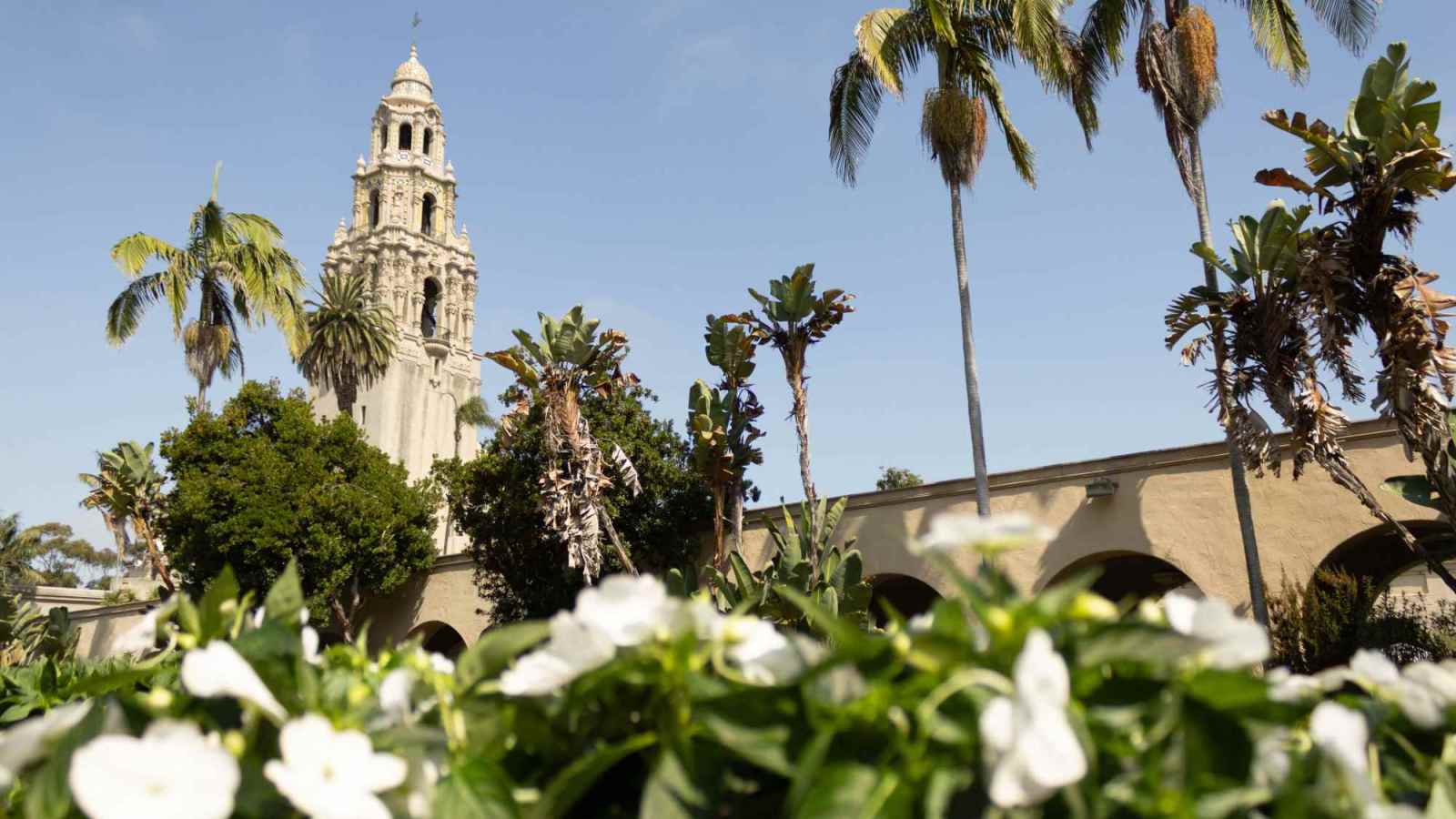
The city of San Diego has started an estimated two-year planning effort to update the Balboa Park Master Plan. Officials announced the start of the Balboa Park Master Plan Update and launched a dedicated website on a Wednesday in October 2026. This extensive undertaking aims to reexamine how the historic public space functions, how it handles traffic and parking, and how it can secure long-term economic stability to fix multi-million-dollar infrastructure shortfalls.
What Changed
San Diego launched the formal planning framework to overhaul the guidelines governing the 1,200-acre public park. The last comprehensive master plan for Balboa Park was adopted in 1989 and amended in 2012, with additional oversight supplied by precise plans for the Central Mesa and East Mesa. Set aside as a public park in 1868, the massive urban property features 118 buildings, 21 cultural institutions and museums, 17 specialized gardens, the San Diego Zoo, and the Starlight Bowl.
The update process is backed by $2 million secured from Caltrans, SANDAG, and the Prebys Foundation, which directly pays consultant WRT Planning + Design. Additionally, the city released a Balboa Park Prioritization Framework in March 2025 created by consultant AEA Consulting, identifying 61 specific projects to tackle. Fehr & Peers has been hired to conduct the mobility analysis for the master plan.
Context and Background
Balboa Park serves as a major cultural anchor for Southern California, but decades of wear have taken a toll on its extensive historic and structural footprint. Deferred maintenance and infrastructure needs were previously pegged at around $203 million when assessed in 2016. Parks and Recreation Director Andy Field estimates that total improvement needs now likely range between $500 million and $1 billion.
To ensure wide community input, a draft engagement plan is scheduled to be presented to the Balboa Park Committee in November, targeting surrounding communities including downtown San Diego, North Park, and Barrio Logan. City leadership notes that everything eventually circles back to funding. Without a reliable financial mechanism, prioritized frameworks remain sitting lists waiting for implementation.
Business Implications and Revenue Strategies
To address the massive capital backlog, policy changes to explicitly allow for hotel and other commercial development on park property are on the table to improve long-term economic sustainability. City officials emphasize that a multi-pronged approach is necessary to fully fund the park to a level of excellence.
“The park is a public asset, and many of the uses of the park do not generate revenue,” planners noted. “There are other supportive uses that can really increase someone’s desire to spend time in the park, whether that be through hotel uses or restaurants or other commercial uses that generate revenue, and for that revenue to be used to directly invest back in Balboa Park and maintaining it to a level of excellence.”
On-site revenue generation through updated land uses will be paired with philanthropical contributions, public-private partnerships, and potential public funding measures. However, the proposal of hotels and other commercial development will likely receive pushback from people who view revenue-generating uses as antithetical to the park’s traditional purpose.
Sector Impact and Mobility Analysis
交通 and accessibility remain major points of focus. Fehr & Peers is conducting the mobility analysis for the master plan, looking comprehensively at access for all modes of travel. That includes cars, transit, pedestrians, and crucially, parking. City stakeholders note that the master planning effort is likely to revive long-standing park parking drama as planners weigh vehicle access against pedestrian-first zones.
Risks, Limitations, and What to Watch Next
The planning process is expected to culminate with City Council approval of a new plan in 2028. While a draft master plan update document is expected likely late next year, exact timing remains uncertain. Furthermore, the final funding mechanism has not been completely settled by the city yet, leaving a gap between the identified $500 million to $1 billion in improvement needs and the execution of the 61 priority projects.
Stakeholders and residents will monitor the upcoming November presentation to the Balboa Park Committee closely to see how local feedback shapes the multi-pronged commercial and infrastructure strategy.