
Factual Lead
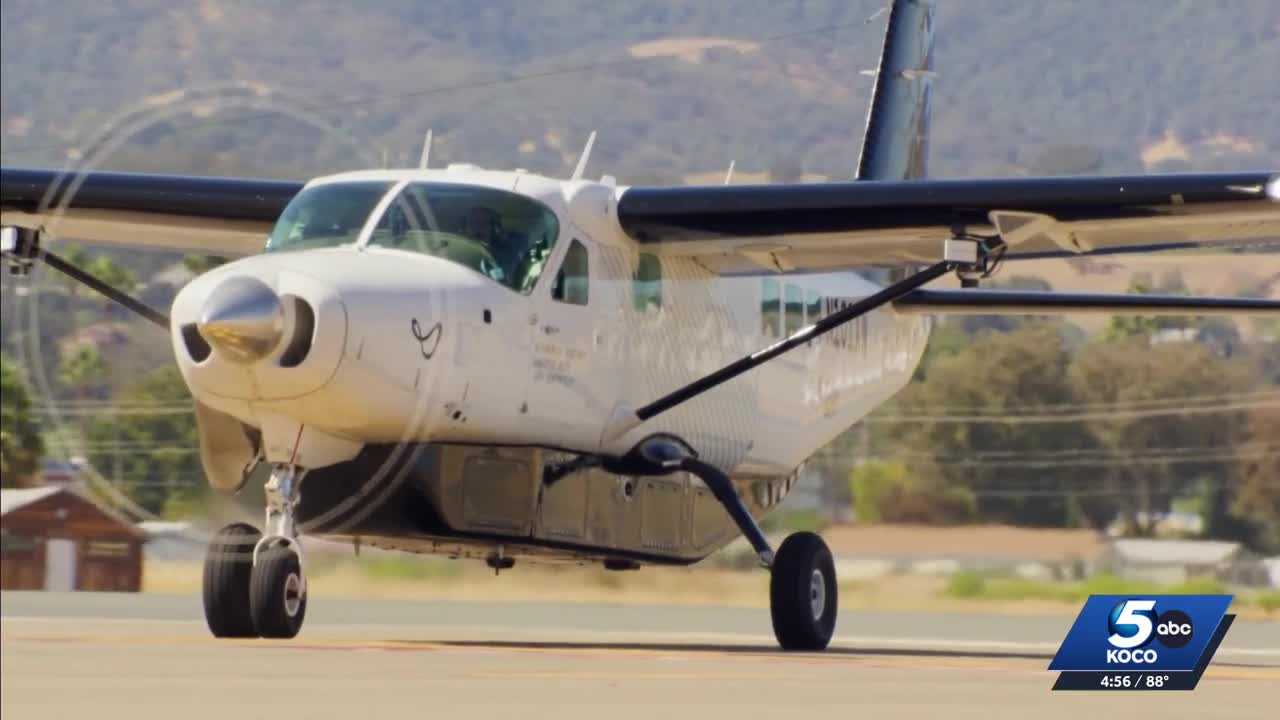
The Joby Aviation J208, an autonomous aircraft capable of self-directed takeoff, cruise, and landing, made a scheduled stop at Will Rogers International Airport in Oklahoma City as part of its ongoing ‘Electric Skies’ cross-country tour. The visit, reported on September 29, 2026, follows a flight path spanning more than 3,000 miles across the United States. Controlled remotely by a pilot located thousands of miles away, the aircraft represents an operational demonstration of autonomous flight hardware, software, and airspace integration.
What Changed
Joby Aviation has advanced its public cross-country demonstration program by bringing its self-flying J208 platform to Oklahoma City. During the multi-thousand-mile journey, the aircraft demonstrated autonomous operation while maintaining human oversight capabilities. Although primary flight control was executed remotely, a pilot stepped into the cockpit during the journey to manage onboard systems and oversee flight operations.
In Oklahoma City, Joby Aviation partnered with state officials to showcase the aircraft to a broad audience of educational and legislative stakeholders. The Oklahoma Department of Aerospace and Aeronautics collaborated directly with Joby Aviation during the stop to evaluate the technology and present live demonstrations to local aviation students and state lawmakers.
Cross-Country Flight and Technical Execution
The 3,000-mile flight journey highlights the functional mechanics of Joby Aviation’s remote control and autonomous guidance systems. The technical architecture of the J208 is configured to execute three core phases of flight independently:
- Autonomous Takeoff: Managing initial departure roll, lift-off, and climb-out trajectories without direct manual stick inputs.
- Autonomous Cruise: Navigating en-route flight corridors over extended distances while communicating with remote operators.
- Autonomous Landing: Executing approach, touchdown, and rollout procedures under automated guidance.
Operational control throughout these phases relies on a remote pilot station situated thousands of miles from the physical location of the aircraft. To complement remote management and automated software algorithms, the J208 incorporates multiple safety systems and specialized radar sensors to maintain situational awareness in varying flight environments.
State-Level Collaboration and National Airspace Integration
Integrating autonomous platforms into existing civilian air traffic corridors remains a central objective of the ‘Electric Skies’ tour. Grayson Ardies, representing the Oklahoma Department of Aerospace and Aeronautics, emphasized the significance of testing advanced aerial platforms within live civil airspace environments.
“This is key moment of this generation’s space race. You know, the jet age for this generation in the air that we’re in right now,” Ardies stated regarding the arrival of the self-flying platform in Oklahoma.
Ardies noted that the primary goal of joint testing initiatives is to validate technical reliability and establish operational standards for entering controlled corridors. “That’s what this is about is about testing this new technology and trying to integrate that into the National Airspace System as safely as possible without disrupting current operations that happen,” Ardies added.
Business and Mission Capabilities
Joby Aviation states that the overall purpose of the ‘Electric Skies’ tour is to demonstrate how autonomous aviation technology can transform the movement of both passengers and cargo. Beyond civilian passenger transit, the heavy-payload design of the J208 expands its operational utility toward enterprise, government, and emergency response sectors.
The J208 is built to carry heavy equipment, making it adaptable for specialized industrial logistics and critical response tasks. Greg Bowles highlighted the operational versatility of the aircraft across challenging mission profiles.
“There are important missions. If you can think about your team, researchers, first responders, conditions that are critical to the success, these things are going to be valuable for a 21 aircraft and also for large enterprises to come,” Bowles stated.
Target Sectors and Use Cases
The potential applications for heavy-payload autonomous platforms like the J208 span several distinct commercial and public service areas:
- First Responders: Transporting emergency gear, heavy medical supplies, or specialized apparatus directly into disaster zones or remote areas without risking onboard flight crews.
- Research Teams: Supporting environmental and scientific field research by carrying sensor payloads and heavy laboratory instruments to remote field locations.
- Enterprise Logistics: Moving high-value industrial equipment and commercial cargo across regional networks efficiently.
- Passenger Mobility: Offering future automated transport options designed to augment regional transit systems.
Limitations and Uncertainties
While the 3,000-mile cross-country flight marks a major operational milestone, several technical and regulatory uncertainties remain surrounding full commercial deployment:
- Human Intervention Requirements: Specific details regarding the precise duration and exact conditions under which a pilot stepped into the cockpit during the 3,000-mile flight have not been disclosed. The precise balance between remote oversight, cockpit intervention, and full automation remains an ongoing area of evaluation.
- Airspace Integration: Safely integrating self-flying platforms into the busy National Airspace System requires continued regulatory review to ensure existing air traffic operations remain undisturbed.
- Tour Schedule: Complete itinerary dates and full location lists for the remainder of the ‘Electric Skies’ tour have not been fully published beyond the next confirmed stop.
What to Watch Next
Following its stop at Will Rogers International Airport in Oklahoma City, the J208 is preparing for the next leg of its national tour. The next scheduled stop on the ‘Electric Skies’ cross-country journey is Seattle, where Joby Aviation will continue testing flight capabilities, demonstrating heavy equipment transport potential, and engaging regional stakeholders.
Attribution and Report Context
This report incorporates factual details and broadcast updates originally reported by KOCO reporter Shanice Hopkins on September 29, 2026 (updated at 5:05 PM CDT). Direct statements from Grayson Ardies of the Oklahoma Department of Aerospace and Aeronautics and Greg Bowles reflect official commentary recorded during the Oklahoma City event.