
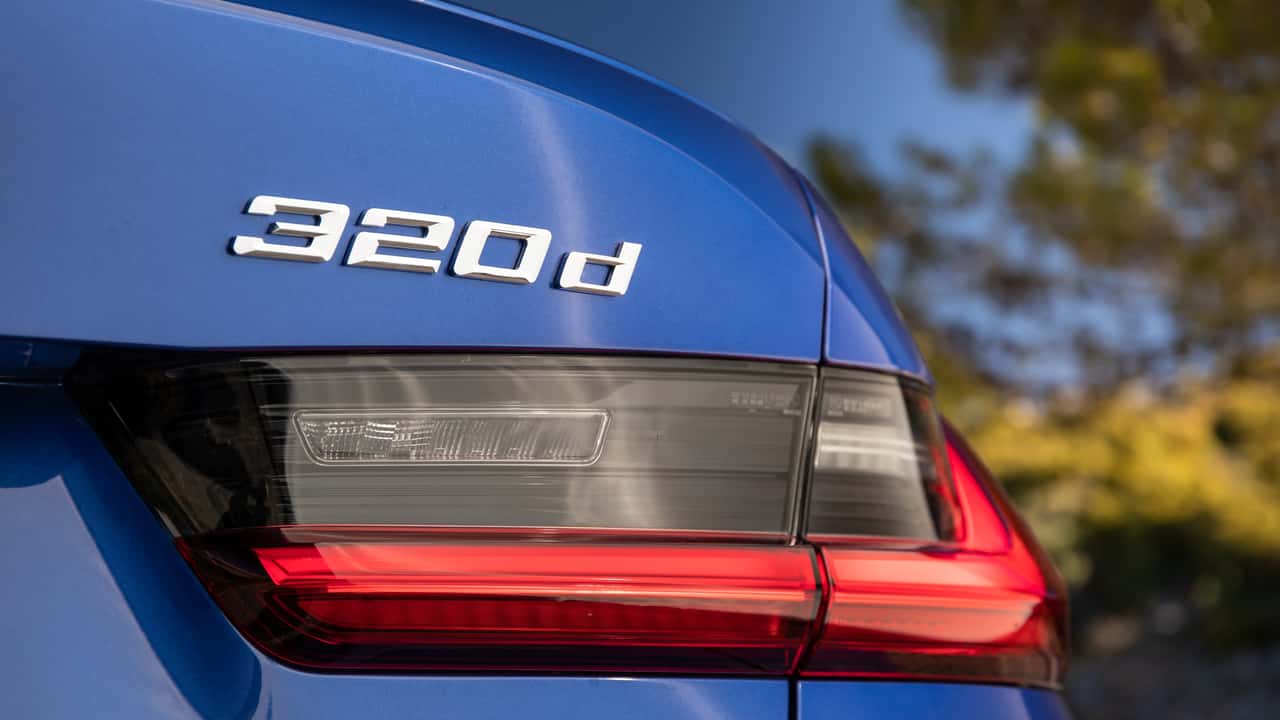
Motor1 has reported that BMW is discontinuing the diesel 3 Series in Europe, signaling a major transition for one of the executive vehicle market’s defining models. For decades, compression-ignition variants of the executive sedan and estate served as primary volume drivers across European commercial and private sales channels. The reported decision to phase out these oil-burning variants underscores how rapidly carmakers are restructuring their core product portfolios in response to changing regulatory landscapes, shifting corporate fleet requirements, and accelerating customer adoption of electrified drivetrains.
What Changed
According to news reported by automotive outlet Motor1, BMW is ending the availability of diesel powertrains for the 3 Series lineup across European markets. The move marks a critical turning point for a model family that long defined long-distance highway driving across Western and Central Europe.
Historically, diesel-powered executive sedans dominated corporate car schemes and high-mileage fleet allocations due to their highway fuel efficiency, strong low-end torque, and long operating range between refueling stops. The decision to discontinue these options reflects a fundamental realignment of manufacturing priorities, turning focus away from internal combustion engine configurations that require extensive emissions aftertreatment systems.
Industry Context and Market Dynamics
The reported retirement of the European diesel variant arrives after years of broader structural decline in the European diesel market. Following the tightening of European Union emissions regulations and the implementation of low-emission urban zones in major metropolitan areas, consumer and fleet demand for compression-ignition engines has dropped significantly across primary European markets.
For the luxury executive segment, the business rationale for maintaining complex diesel powertrains has diminished. Automakers operating in Europe must meet strict corporate fleet average emissions targets. Achieving these targets requires selling higher volumes of zero-emission and low-emission vehicles, making plug-in hybrid electric vehicles (PHEVs) and battery-electric vehicles (BEVs) far more strategically advantageous than traditional diesel options.
Shifting Corporate Fleet Mandates
Corporate fleet buyers have traditionally accounted for a substantial portion of premium executive car sales in Europe. Over recent years, major corporations have established aggressive Environmental, Social, and Governance (ESG) targets that actively restrict or eliminate conventional internal combustion vehicles from fleet ordering guides. Consequently, corporate fleet managers have increasingly pivoted away from diesel models toward plug-in hybrids and fully electric vehicles.
Engineering and Compliance Costs
Developing and manufacturing modern diesel engines to meet existing Euro 6 regulations and upcoming European emissions rules requires heavy investment in exhaust aftertreatment technologies, including complex selective catalytic reduction (SCR) systems and specialized filter assemblies. Reallocating research, development, and manufacturing resources away from legacy diesel engineering allows car manufacturers to direct capital toward software platforms, high-voltage battery systems, and electric motor efficiency.
Business Implications for BMW
The elimination of diesel options from the core European lineup offers several practical and operational advantages for manufacturing operations and product delivery.
Production Simplification and Supply Chain Efficiency
Offering fewer engine configurations directly reduces operational complexity across vehicle manufacturing plants. Consolidating drivetrain options allows assembly lines to operate with greater efficiency, lowers inventory carrying costs for specialized engine components, and streamlines logistics within the supply chain network.
Portfolio Alignment
Removing diesel variants simplifies the buying process for consumers and commercial clients. The remaining lineup focuses resources on mild-hybrid petrol options, plug-in hybrids, and pure battery-electric choices, aligning product marketing directly with the industry’s broader transition toward low-emission transport solutions.
Sector Impact and Competitive Landscape
The step taken by BMW reflects a broader trend across the European automotive manufacturing sector. Competitors in the premium executive market segment have similarly rationalized their internal combustion engine portfolios to accommodate the massive capital expenditures required for full electrification.
Used Vehicle Markets and Residual Values
The phase-out of new diesel models will over time influence secondary auto markets across Europe. While existing diesel executive sedans may remain popular among private long-distance drivers on the secondary market, long-term residual value predictions face headwinds due to expanding urban access restrictions, rising fuel taxes in certain nations, and changing public perception around legacy combustion technologies.
Infrastructure and Adoption Factors
The rate at which traditional diesel drivers transition to alternative propulsion depends heavily on regional fast-charging infrastructure density and the comparative cost of electricity versus fossil fuels. While long-distance commuters previously relied on the rapid refueling times of diesel sedans, advancing battery technology and high-power charging networks are increasingly addressing these operational needs.
Key Benefits of the Transition
The transition away from compression-ignition engines in executive vehicles brings several strategic benefits for automakers and fleet operators:
- Streamlined Development Focus: Engineering teams can concentrate resources on battery development, power electronics, and high-efficiency hybrid drivetrains.
- Reduced Maintenance Complexity: Eliminates complicated diesel emission aftertreatment systems, reducing long-term service items associated with SCR dosing and particulate filters.
- Fleet Regulatory Compliance: Accelerates corporate progress toward lower fleet average emissions, helping reduce potential regulatory penalty risks.
- Clarity in Product Choice: Simplifies model options for buyers, creating clear paths between mild-hybrid petrol engines, plug-in hybrids, and fully electric alternatives.
Risks, Limitations, and Attribution
While the strategic move aligns with global electrification trends, specific market limitations and operational questions remain:
- High-Mileage Drivers: Drivers who regularly cover long daily distances across regions with less dense charging infrastructure may face operational adjustments when transitioning from high-efficiency diesel engines to hybrid or electric options.
- Information Scope: According to reporting by Motor1, specific country-by-country retirement dates and regional inventory timelines remain subject to local market distribution plans. Detailed country-specific breakdowns and official corporate press documentation were not fully detailed in the initial source report.
- Regional Market Variation: Adoption speeds for electrified alternatives vary significantly between Northern, Western, and Eastern European nations depending on local infrastructure investment and purchasing incentives.
What to Watch Next
As the European market adapts to the reduction of traditional diesel executive models, industry analysts will be monitoring several key indicators:
- Ordering Guide Updates: How individual national distributors adjust dealer allocation guides and fleet configuration portals over coming sales quarters.
- Fleet Conversion Rates: The proportion of former diesel lease holders who transition directly into plug-in hybrid or battery-electric alternatives upon vehicle contract renewal.
- Competitive Responses: Whether rival premium brands announce matching reductions in their European diesel portfolio offerings.
- Secondary Market Pricing: The stability of used diesel vehicle values across European resale platforms as supply of new models ceases.