
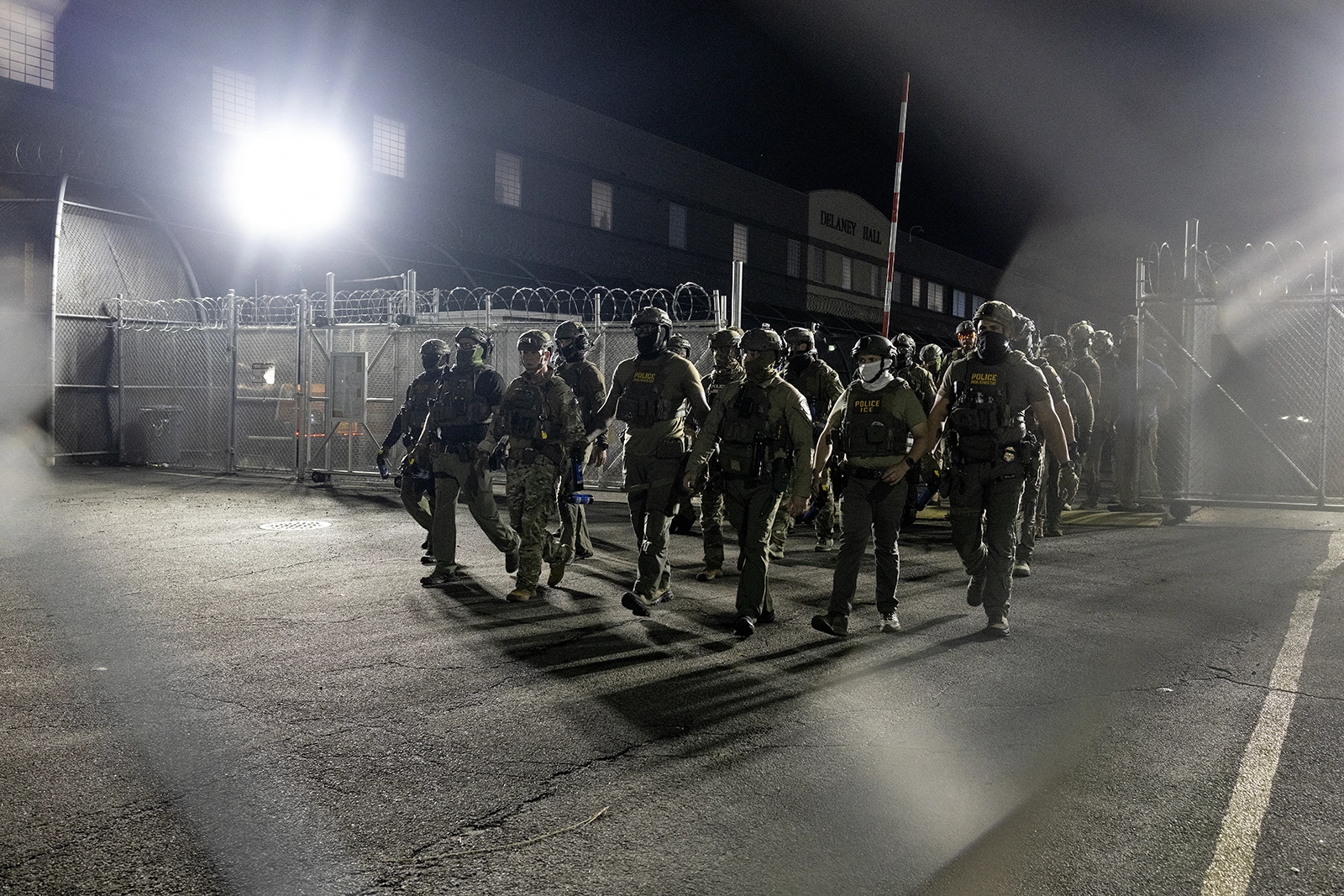
Immigration and Customs Enforcement (ICE) plans to hire 5,000 new personnel by December, marking a significant workforce expansion push driven from the highest levels of the White House. According to reporting from MS NOW, White House deputy chief of staff Stephen Miller is actively pushing the agency to meet this ambitious hiring target before the year concludes.
As federal authorities work to accelerate recruitment, the aggressive timeline has brought renewed scrutiny to federal onboarding processes, background vetting standards, and the overall capacity of the Department of Homeland Security to absorb a massive influx of staff in a condensed timeframe.
What Changed
The Immigration and Customs Enforcement agency has initiated a major recruitment drive with a strict completion deadline of December. Two sources informed MS NOW about the hiring plans and detailed Stephen Miller’s direct involvement in pushing the agency to meet the milestone.
This workforce expansion targets multiple functional areas within the agency. Many of the new hires are expected to join ICE’s Enforcement and Removal Operations (ERO) division, which manages the arrest, detention, and deportation of undocumented individuals. In addition to enforcement agents, the hiring surge encompasses crucial support personnel, including intelligence analysts designed to bolster operational coordination.
Background and Context
This recruitment push is supported by substantial financial backing. Congress provided the Department of Homeland Security with tens of billions of dollars in additional immigration enforcement funding through Trump’s tax and spending law, supplying the fiscal resources necessary to finance a rapid workforce expansion.
However, historical precedents from prior federal hiring surges highlight potential operational friction points. An Associated Press investigation previously found that during past recruitment drives, some agency recruits began working before completing full background investigations. Furthermore, that investigation revealed instances where some hires possessed financial, legal, or employment problems.
Compounding these historical concerns, a whistleblower from ICE’s Office of Professional Responsibility has alleged that the agency lowered vetting standards during the hiring surge to accelerate the onboarding process. In contrast, the Department of Homeland Security (DHS) has consistently maintained that it follows all required vetting procedures for every recruit.
Business and Operational Implications
Scaling an organization by thousands of specialized personnel within a matter of months places immense logistical pressure on human resources, training academies, and administrative infrastructure. For ICE, absorbing thousands of enforcement agents and intelligence analysts requires rapid coordination across multiple divisions.
Deploying new personnel effectively demands rigorous training programs, equipment allocation, and supervisory oversight. However, it remains unclear whether the administration expects all 5,000 hires to be fully trained and deployed by the end of December or whether some will still be moving through the hiring and vetting process as the deadline arrives.
Risks, Limitations, and Oversight Concerns
The competing accounts regarding background investigations introduce notable compliance and operational risks. If recruitment speed supersedes thorough vetting, agencies risk internal friction, administrative vulnerabilities, and heightened public scrutiny.
While DHS maintains adherence to mandated standards, the existence of whistleblower allegations from the Office of Professional Responsibility and past Associated Press findings regarding truncated background checks indicate ongoing tension between speed and thorough compliance in federal workforce scaling.
Who May Be Affected
Internal agency staff, incoming recruits, and administrative leadership will experience the immediate effects of this December deadline. Enforcement and Removal Operations teams will see shifts in staffing levels, while intelligence units incorporate new analytical personnel.
Externally, legal advocates, congressional oversight committees, and communities impacted by immigration enforcement operations will closely monitor how these new personnel are deployed and whether standard vetting protocols are strictly maintained.
What to Watch Next
As December approaches, key indicators will determine the outcome of this hiring initiative. Observers will track whether ICE officially meets the 5,000-personnel target, how many recruits achieve full operational deployment versus remaining in training pipelines, and whether congressional oversight bodies request further audits regarding vetting integrity and the use of DHS funding.