
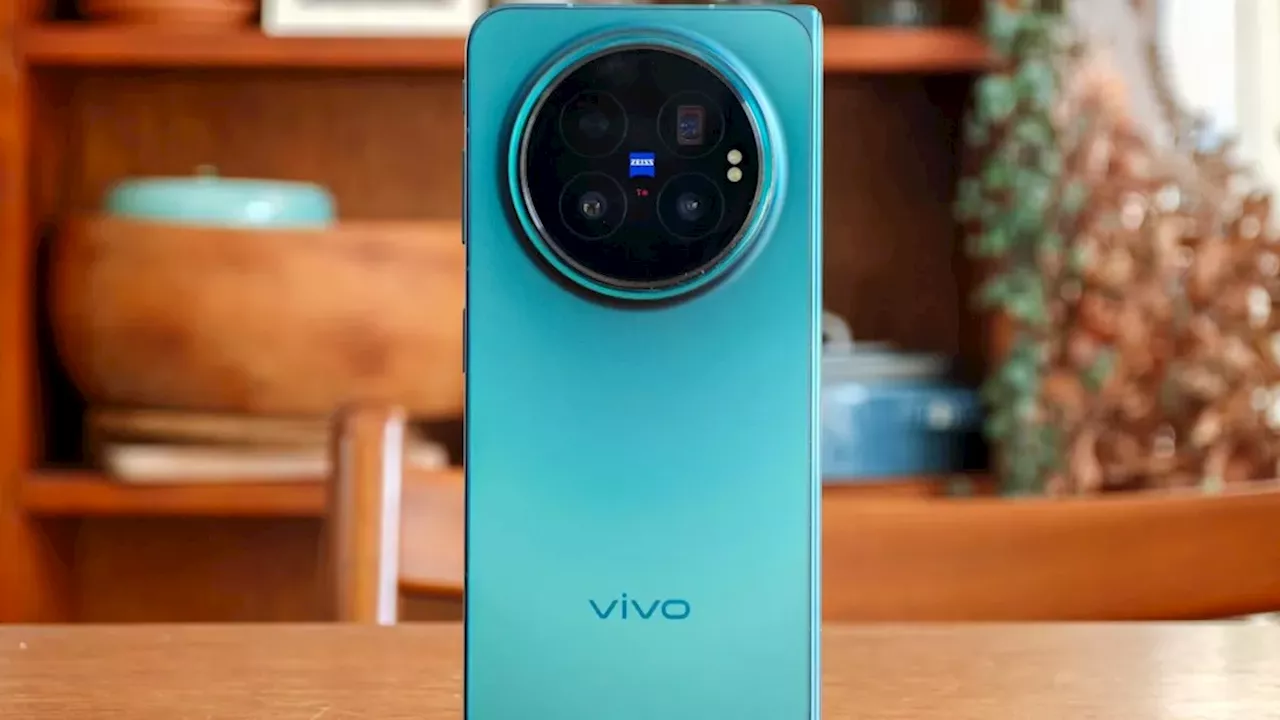
Vivo’s X Fold 6 accidentally feels like a throwback as the manufacturer prepares to launch the device outside of China following its initial domestic release this June and summer. The global foldable smartphone market has shifted significantly over recent cycles, with major industry competitors like Apple and Samsung pivoting toward shorter, wider form factors for their folding devices. However, the international release of the X Fold 6 retains dimensions, sizing, and proportions that closely mirror older generational designs and previous Vivo foldables.
What Changed in the X Fold 6
The hardware architecture of the X Fold 6 introduces notable updates compared to standard slab smartphones, while maintaining familiar foldable proportions from earlier hardware iterations. The exterior of the device features a 6.51-inch cover display built around a standard smartphone 20:9 aspect ratio. Unfolding the device reveals an almost square 8.02-inch internal panel.
Under the hood, the smartphone runs on a custom ‘Super Edition’ of the MediaTek Dimensity 9500 processor. Power management is handled by a substantial 6,900mAh battery. For durability, the device carries an IP59 rating. The camera system features a large 1/1.4-inch-type, 200-megapixel main sensor, which is paired with 50-megapixel telephoto and ultrawide cameras.
Sector Impact and Form Factor Evolution
The design choices of the X Fold 6 place it in a unique position relative to current industry trends. While competitors shift toward wider, shorter external screens to mimic traditional handset usability, the X Fold 6 size and aspect ratio feel oddly old-fashioned. This design similarity to previous Vivo foldables and most other foldables launched before Apple and Samsung pivoted highlights a distinct philosophy in device ergonomics.
Despite its classic proportions, the hardware incorporates modern imaging capabilities. The 200-megapixel main camera sensor stands out as one of the biggest on any foldable phone to date. Industry observers and source reports note this component should deliver performance that should be better than almost any other foldable device currently available on the market.
Risks, Limitations, and Technical Considerations
While the internal specifications and camera hardware position the device strongly against competitors, certain design aspects reveal trade-offs and limitations. The display crease remains a notable characteristic, appearing somewhat behind modern rivals since it is quite visible during everyday operation. Furthermore, while the IP59 rating provides a degree of environmental protection, it is classified as good rather than industry-leading.
Business Implications and Market Uncertainty
The strategic expansion of the X Fold 6 beyond China marks an important business milestone for Vivo as it targets regions outside its domestic market. However, critical commercial details remain undisclosed ahead of the wider rollout. Notably, Vivo did not provide the retail price or specific international markets where the phone will be sold, leaving potential buyers and industry analysts waiting for final regional deployment strategies.
Who May Be Affected and Consumer Impact
Mobile consumers and tech enthusiasts tracking the foldable sector will feel the effects of this international release, particularly those looking for alternatives to Apple and Samsung devices. Users prioritizing camera hardware, battery capacity, and unique processing solutions will find the custom ‘Super Edition’ MediaTek Dimensity 9500 and 6,900mAh power cell compelling. At the same time, users who prefer modern shorter, wider aspect ratios may find the throwback design less adaptable to everyday single-handed use.
What to Watch Next
As the international rollout proceeds, key developments to monitor include the official announcement of regional pricing structures, target launch countries, and consumer reception of its traditional aspect ratio in western and global markets. Further updates from Vivo regarding availability will clarify how the device positions itself against competing hardware.