
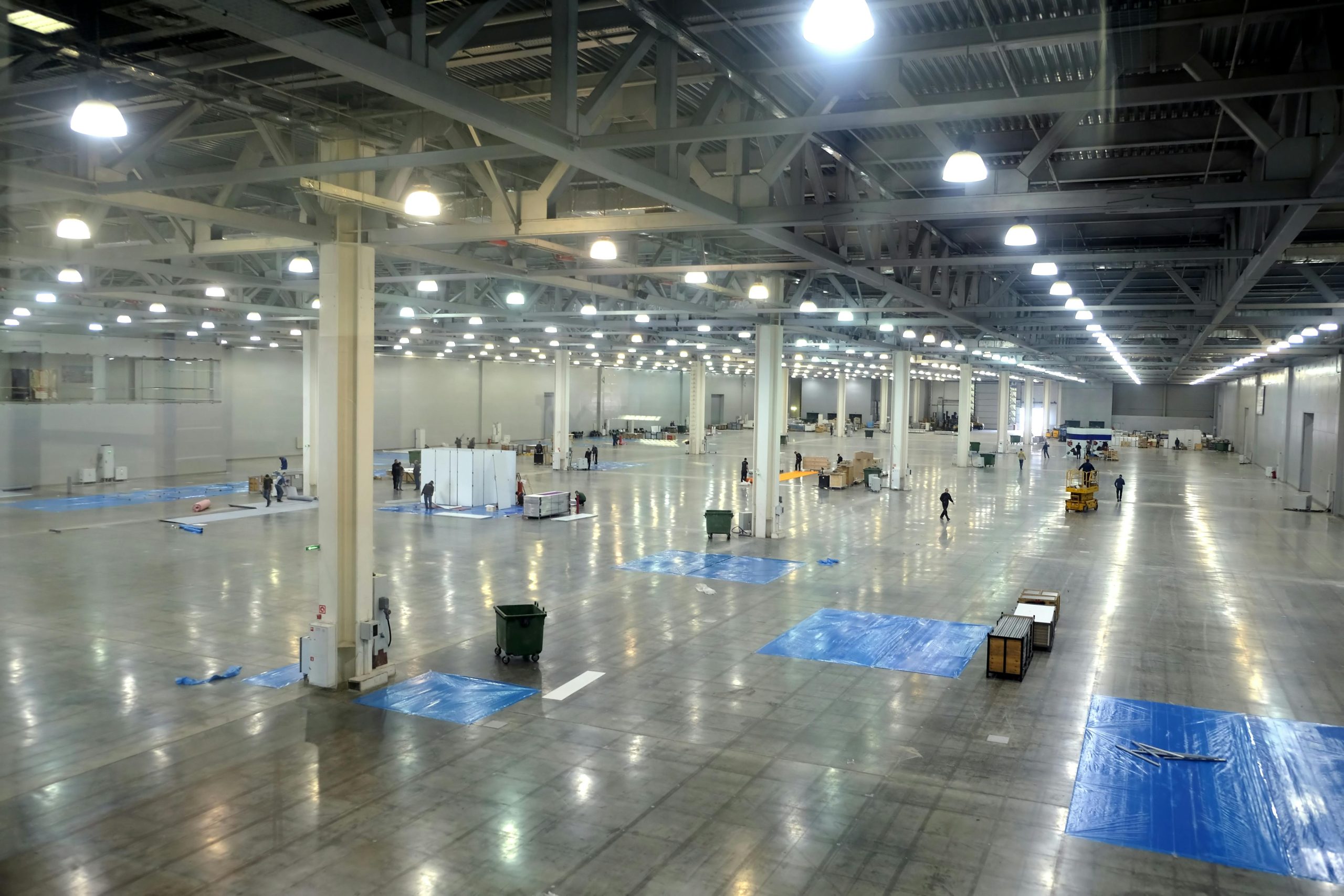
Sourcing, transportation, warehousing, and distribution have traditionally been managed as distinct functions within corporate supply chains. However, in a volatile supply environment, these boundaries matter less than ever. A sourcing decision made halfway around the world can ultimately change distribution center operations, forcing warehouse leaders to adapt their receiving, storage, picking, and shipping workflows. According to insights shared by Angela Rhea via TradeBeyond, businesses must recognize that shifting production or diversifying sourcing directly impacts the physical floor of a distribution center.
What Changed in the Global Supply Landscape
Global supply chains are experiencing unprecedented shifts driven by geographic diversification, regulatory pressures, and freight market volatility. Businesses are actively altering their procurement strategies to mitigate risk, yet these strategic adjustments trigger immediate operational ripples downstream.
Historically, companies relied heavily on single manufacturing hubs, but modern strategies frequently incorporate multi-country approaches. India has emerged as an important manufacturing market, while Vietnam continues attracting investment in more sophisticated manufacturing under “China plus one” or multi-country strategies.
However, diversifying a supplier base does not automatically make a supply chain more resilient. New suppliers bring entirely different order quantities, packaging specifications, lead times, transportation modes, and inventory requirements. When sourcing strategy changes, the warehouse has to change with it to accommodate these new operational variables.
Freight Volatility and Container Rate Pressures
Transportation dynamics continue to introduce severe unpredictability into inventory management. Container rates on major Asia-to-US routes climbed sharply in September due to a combination of peak-season demand, capacity controls, and ongoing geopolitical disruptions.
Market reporting from ICIS highlighted that East Asia and China to US West Coast rates hovered roughly between $7,075 and $8,330 per FEU in mid-September. Meanwhile, East Coast rates reached approximately $9,165 to $12,000. Additionally, Reuters reported that China-to-US East Coast spot rates reached $10,948 per 40-foot container during September.
This extreme freight volatility forces businesses to alter shipment frequencies, adjust order quantities, build up inventory buffers, or utilize air freight instead of ocean freight. Each of these tactical adjustments alters how goods arrive at distribution centers, putting pressure on receiving docks and storage capacities.
Policy, Regulation, and Trade Agreements
Geopolitical conflicts, tariffs, trade policy changes, transportation disruptions, and commodity price swings can quickly erase low-cost sourcing savings. Regulatory frameworks are also shifting the compliance burden onto logistics and warehousing operations.
In July 2026, the United States, Mexico, and Canada conducted their first joint review of the USMCA. During these discussions, the US did not agree to renew the agreement in its current form while negotiations continue, leaving the future trade framework uncertain.
Domestically, environmental regulations are directly affecting warehouse handling procedures. California’s packaging Extended Producer Responsibility (EPR) regulations took effect on May 1, 2026, and are managed via CalRecycle’s system for registration, reporting, and data tracking. To maintain compliance, product and packaging data must travel seamlessly with the product through every stage of the distribution network.
Business Implications for Distribution Centers
When procurement teams alter supplier relationships, distribution centers must absorb the resulting operational friction. New suppliers often utilize non-standard pallet dimensions, varied carton labeling, or different master-pack configurations.
Warehouses must reconfigure storage slots, update warehouse management systems (WMS), and retrain staff to handle incoming goods efficiently. Failure to align warehousing practices with sourcing shifts can lead to severe bottlenecks, delayed order fulfillment, and increased labor costs.
Furthermore, businesses face uncertainty regarding inbound delays and congestion as supply chains adapt to new trade routes and regulatory demands. Companies must invest in agile warehouse infrastructure that can pivot alongside changing procurement strategies.
Limitations and Uncertainties
While supply chain integration is critical, significant uncertainties remain across the global logistics sector. It remains unclear whether the USMCA will ultimately be renewed in its current form following ongoing trilateral negotiations.
Additionally, the exact extent to which individual supply chain networks will experience inbound delays, port congestion, or rate fluctuations varies widely depending on industry sector, carrier contracts, and inventory strategies.
What to Watch Next
Supply chain leaders must monitor several key developments as the operating environment continues to evolve. Watch for updates on the USMCA negotiations and their potential impact on North American trade flows. Keep track of how California’s CalRecycle EPR reporting requirements influence packaging data standards nationwide. Finally, observe whether container freight spot rates stabilize following the peak-season pressures observed in September, as stable transportation costs will dictate future inventory buffering strategies.