
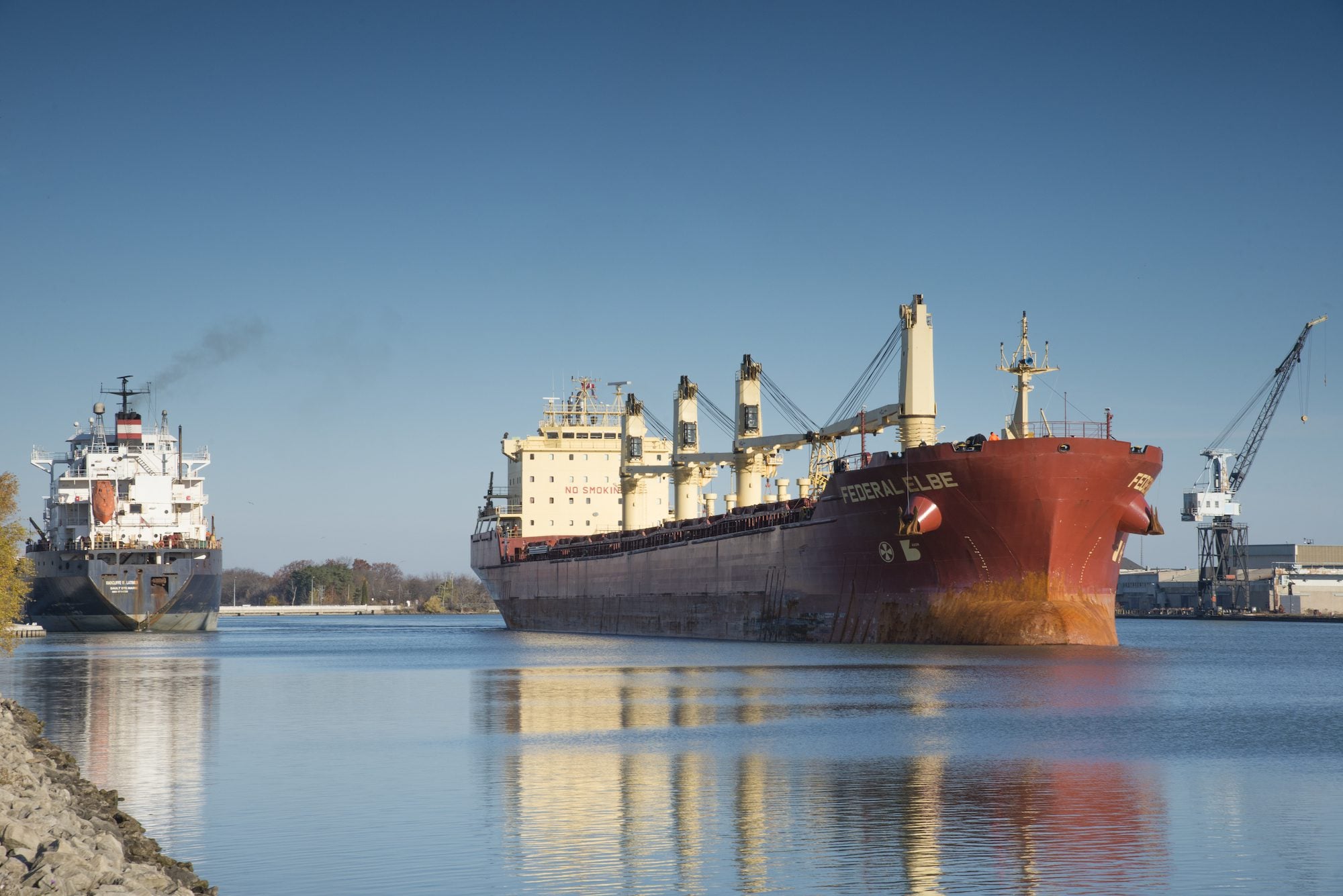
Canada is committing C$1.2 billion, equivalent to USD $843 million, to ocean protection and marine safety as the federal government prepares for a significant increase in commercial vessel traffic tied to new energy, liquefied natural gas, and port developments. Prime Minister Mark Carney announced the multi-faceted funding package on Tuesday in British Columbia, emphasizing a strategy to “protect while we build” amid expanding maritime commerce.
This capital injection builds upon Canada’s existing Oceans Protection Plan, which was originally launched in 2016 and subsequently renewed in 2022. The latest financial commitment spans several federal departments and agencies to upgrade monitoring capabilities, expand Coast Guard infrastructure, deploy environmental recovery tools, and fund marine-life protection programs.
What Changed
The federal announcement introduces comprehensive funding allocations directed at distinct operational areas across Canada’s coasts. More than C$740 million has been earmarked over a four-year period to directly support marine safety and conservation programs, which includes expanding the operational capabilities of the Canadian Coast Guard.
Under this initiative, the Coast Guard will increase capacity at its Marine Communications and Traffic Services centers. The plan also calls for strengthening maritime domain awareness, improving vessel traffic management, expanding VHF radio and radar coverage, and adding marine response capabilities at existing search and rescue stations.
In addition to Coast Guard enhancements, Environment and Climate Change Canada will develop new recovery tools for ship-source pollution incidents. These tools are designed to handle spills involving hazardous and noxious substances alongside other commercial chemicals. Transport Canada is also slated to replace its aging digital systems used for cargo inspections, port state control, domestic vessel oversight, and seafarer certification. According to government details, the new Transport Canada system will integrate marine data to improve risk analysis, enforcement, and regulatory services.
Sector Impact and Drivers
Prime Minister Carney specifically pointed to several major infrastructure developments expected to drive additional ship traffic to the West Coast. These include expansions at the Port of Vancouver, the Roberts Bank Terminal 2 project, and a final investment decision that was recently announced for the second phase of LNG Canada located in Kitimat.
These large-scale energy and cargo projects necessitate heightened regulatory vigilance and expanded emergency response frameworks. As commercial vessel traffic grows, federal authorities are scaling up infrastructure to manage heightened vessel density, mitigate navigational risks, and protect sensitive coastal ecosystems from potential shipping incidents.
Business Implications
Beyond immediate infrastructure upgrades, the funding package addresses specific commercial oversight and environmental management requirements. Transport Canada’s modernization of digital cargo inspection and vessel oversight platforms indicates an operational shift toward integrated marine data management. For shipping operators, port authorities, and commercial logistics firms, this technological upgrade translates to stricter data integration, enhanced risk analysis, and tighter regulatory enforcement across Canadian ports.
Furthermore, the allocation of C$136 million over four years toward marine-life protection introduces targeted environmental requirements for commercial operators. This segment of the funding includes an expanded marine mammal spill-response program and underwater noise-reduction measures, such as the Quiet Vessel Technology Fund. Concurrently, Fisheries and Oceans Canada will establish a program to monitor underwater noise and its effects on marine mammals in the Arctic.
Indigenous-Led Conservation
The funding package also designates C$186 million to support Indigenous-led conservation and marine-management programs. This portion of the budget will fund the expansion of the Northern Shelf Bioregion Reconciliation Framework Agreement, alongside ongoing environmental work within the Lower Fraser River and its surrounding estuary.
Risks, Limitations, and Uncertainties
While the financial commitment is substantial, the government’s projections regarding future shipping volumes remain forward-looking estimates. The government described the anticipated growth in commercial shipping traffic as significant, but actual congestion, environmental pressures, and operational bottlenecks will depend on the execution schedules of projects like LNG Canada and Roberts Bank Terminal 2.
Additionally, administrative execution across multiple federal bodies—including the Canadian Coast Guard, Transport Canada, Environment and Climate Change Canada, and Fisheries and Oceans Canada—requires careful coordination over the four-year implementation windows.
What to Watch Next
Stakeholders in the maritime, energy, and logistics sectors should monitor the rollout of Transport Canada’s integrated digital data systems and the specific deployment schedules for expanded Coast Guard radar and VHF radio coverage. Further updates regarding the Quiet Vessel Technology Fund and the precise implementation milestones for Northern Shelf Bioregion programs will provide clearer insight into how these safety and conservation measures affect day-to-day commercial operations.
Attribution
This report is based on announcements made by Prime Minister Mark Carney in British Columbia on Tuesday, alongside official briefing details concerning federal allocations for the Canadian Coast Guard, Transport Canada, Environment and Climate Change Canada, and Fisheries and Oceans Canada.