
Factual Lead
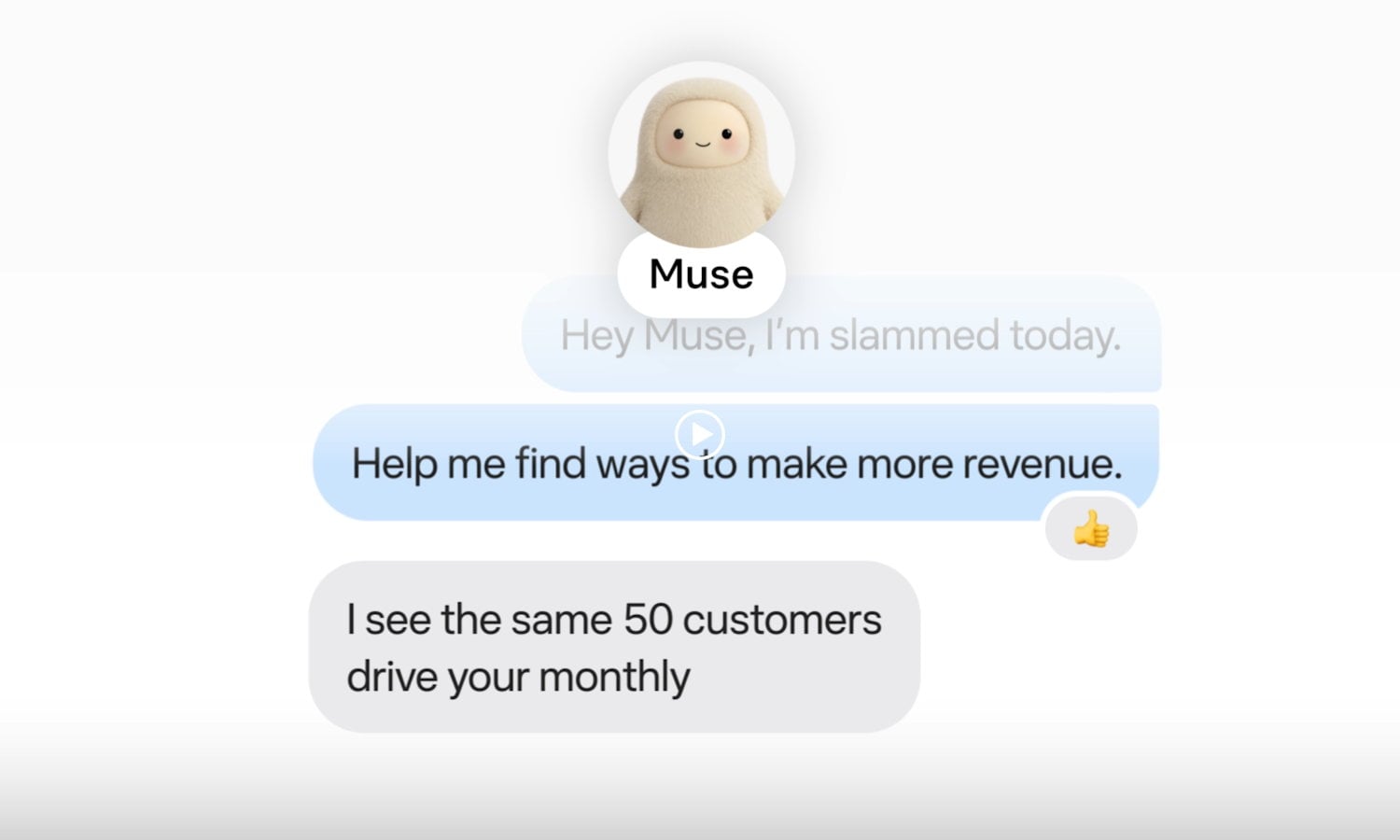
Meta has announced the launch of Muse for Small Business, a dedicated version of its artificial intelligence agent tailored specifically for small and medium-sized enterprises (SMEs). Following the early September rollout of a general-purpose, personal version of Muse, this new enterprise-focused iteration aims to provide SMEs with specialized capabilities. According to Meta, the platform is designed to assist business owners in running their daily operations and handling tasks such as customer acquisition by utilizing a suite of integrated skills and software connectors.
What Changed
The introduction of Muse for Small Business marks an expansion of Meta’s agentic AI framework beyond individual use cases. Following the release of the personal AI agent earlier in September—which was made available in the US and Canada to execute tasks on behalf of users—Meta has now introduced a collection of targeted features designed for commercial operations. Reporting from BetaNews on Tuesday, October 6, 2026, highlighted that this new deployment includes custom skills and digital connectors that bridge the AI agent directly with software applications that merchants and service providers already use.
Context and Background
Small businesses have maintained a presence on Meta’s applications for nearly two decades. During consultations and feedback sessions, enterprise owners informed Meta that their primary operational bottleneck is a shortage of available hours rather than a lack of creative ideas. In response to these time constraints, Meta developed Muse for Small Business to help streamline administrative workloads and execute tasks efficiently across existing software ecosystems.
How Muse for Small Business Works
The technical architecture of Muse for Small Business centers on integration and contextual awareness. The AI agent can be connected in a few clicks to essential digital assets, including Instagram professional account analytics, Facebook Pages, and Meta ad accounts.
Beyond Meta’s own family of apps, Muse is built to understand a business’s specific products, distinct brand voice, and frequent customer inquiries. Furthermore, the system can connect to dozens of other tools that businesses routinely run on, establishing compatibility with various brands, storefronts, accounting books, and customer records. A comprehensive list of all available connectors can be accessed directly within the Muse app settings.
Business Implications and Sector Impact
The arrival of agentic AI tailored for smaller enterprises introduces new operational efficiencies to markets that traditionally lack dedicated development resources for custom automation. By automating tasks like finding new customers and synthesizing analytics from Instagram and Facebook ad accounts, the software seeks to reduce manual overhead.
Meta articulated the core driver behind the platform’s release through company statements:
“Earlier this month we introduced Muse, a personal AI agent available in the US and Canada that completes tasks on your behalf. Today, we’re expanding it with a collection of new skills and connectors inside Muse to help people run their businesses. Small businesses have been growing on our apps for nearly two decades. They told us they’re short on hours, not ideas. So we built Muse for Small Business to help get work done with the tools they already use.”
— Meta
Who May Be Affected
Small and medium-sized enterprise owners, digital marketing managers, and independent retailers who rely on Instagram and Facebook infrastructure stand to be most directly affected. By delegating routine tracking, inquiry management, and customer discovery tasks to an agentic AI system, commercial teams may shift their focus toward core product development and strategy.
Risks, Limitations, and What to Watch Next
While the integration capabilities are designed to simplify digital operations, users must configure and verify software connectors manually through the Muse app settings. Businesses should monitor how effectively the AI agent interprets their specific brand voice and handles sensitive customer records across diverse third-party storefronts and accounting books. Future observations will track how broader software ecosystems adopt these agentic connectors and whether regional availability expands beyond initial deployments.