
Introduction to Multi-Agent Architecture
Modern artificial intelligence applications increasingly rely on complex multi-agent frameworks to handle sophisticated tasks. Multi-Agent Architecture Explained: Building Reliable AI Systems with Orchestration and Guardrails provides a comprehensive look into how these systems are structured. Instead of depending on a single monolithic model to manage every requirement, developers divide work among specialized agents supported by rigorous orchestration and validation mechanisms.
As reported by Analytics Insight, deploying multiple cooperating agents introduces distinct operational benefits alongside production challenges. Understanding how these frameworks function requires examining the core components that govern agent interactions, task distribution, and quality control.
What Changed in System Design
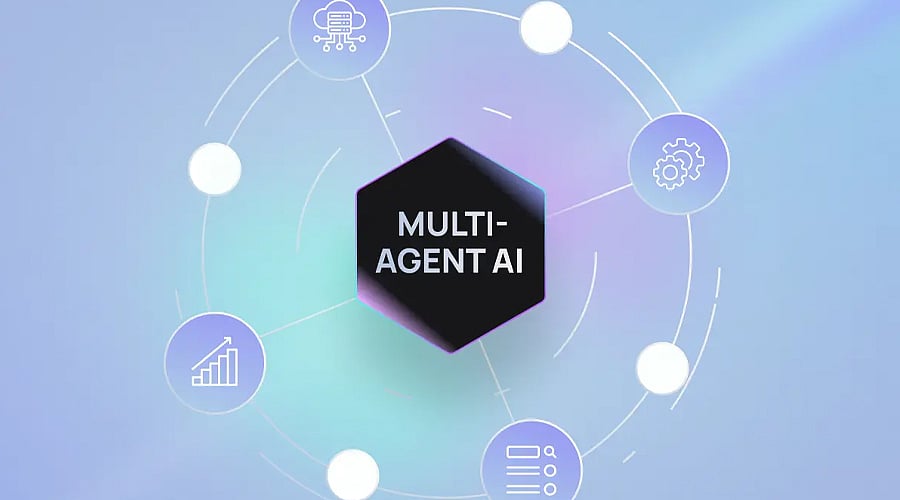
Traditional AI implementations often utilized a single model to process user prompts from end to end. Under current multi-agent paradigms, workflows are segmented. The orchestrator manages the overall workflow by deciding which agent should handle each task, routing requests between specialized agents, coordinating dependencies, and maintaining the sequence of operations.
This structural shift allows system builders to delegate distinct operational responsibilities to discrete components. Rather than expecting a single instance to research, write code, and validate outputs simultaneously, multi-agent architecture assigns targeted roles to specialized entities.
Core Components and Specialized Roles
Effective multi-agent frameworks rely on clear division of labor among specialized agents. Each entity fulfills a precise function within the operational pipeline:
- The Researcher Agent: Focuses on gathering relevant information and context before other agents begin their work. It searches available sources, organizes findings, and provides background to downstream agents. Separating research from execution helps reduce confusion and allows other agents to concentrate on their specialized responsibilities.
- The Coding Agent: Transforms requirements and research into working software or technical solutions, focusing specifically on implementation. Specialization can make development workflows easier to manage while allowing other agents to review generated code independently.
- The Reviewer Agent: Checks outputs produced by other agents before they move forward, examining code, reasoning, research, or completed tasks for errors and inconsistencies. An additional validation layer creates an important quality-control checkpoint to identify problems earlier.
Feedback Loops and Iterative Workflows
Static pipelines often fail when an initial step produces an imperfect output. Multi-agent architecture addresses this through dynamic feedback loops. Feedback loops allow failed or incomplete outputs to return to earlier stages for correction, creating an iterative workflow where agents continuously improve outputs before final delivery.
This iterative design ensures that errors detected by the reviewer agent do not automatically crash the entire process. Instead, structured loops route the problematic artifact back to the responsible agent—such as the coding or research agent—for refinement.
Risks, Limitations, and Production Challenges
While specialization offers structural advantages, expanding an agent network introduces notable engineering hurdles. Adding more agents introduces production challenges, including coordination requirements, latency, token costs, and potential cascading errors.
The objective is not maximizing agent count, but assigning each agent a focused role that supports the overall workflow. Uncontrolled scaling of agent numbers can severely degrade system performance and inflate operational overhead.
Sector Impact and Business Implications
Implementing multi-agent systems in commercial environments requires careful risk management. Production systems need strong orchestration, validation, guardrails, and appropriate human checkpoints.
Businesses adopting these architectures must balance the benefits of autonomous task execution against the realities of increased token consumption and latency. By implementing robust guardrails and validation checkpoints, organizations can capture the efficiency gains of specialization while mitigating unpredictable agent behaviors.
What to Watch Next
As framework development continues, engineering teams are focusing on optimizing orchestration logic and minimizing latency overhead. Observers should monitor how platforms handle cascading errors and whether new validation layers emerge to streamline feedback loops across complex multi-agent deployments.