
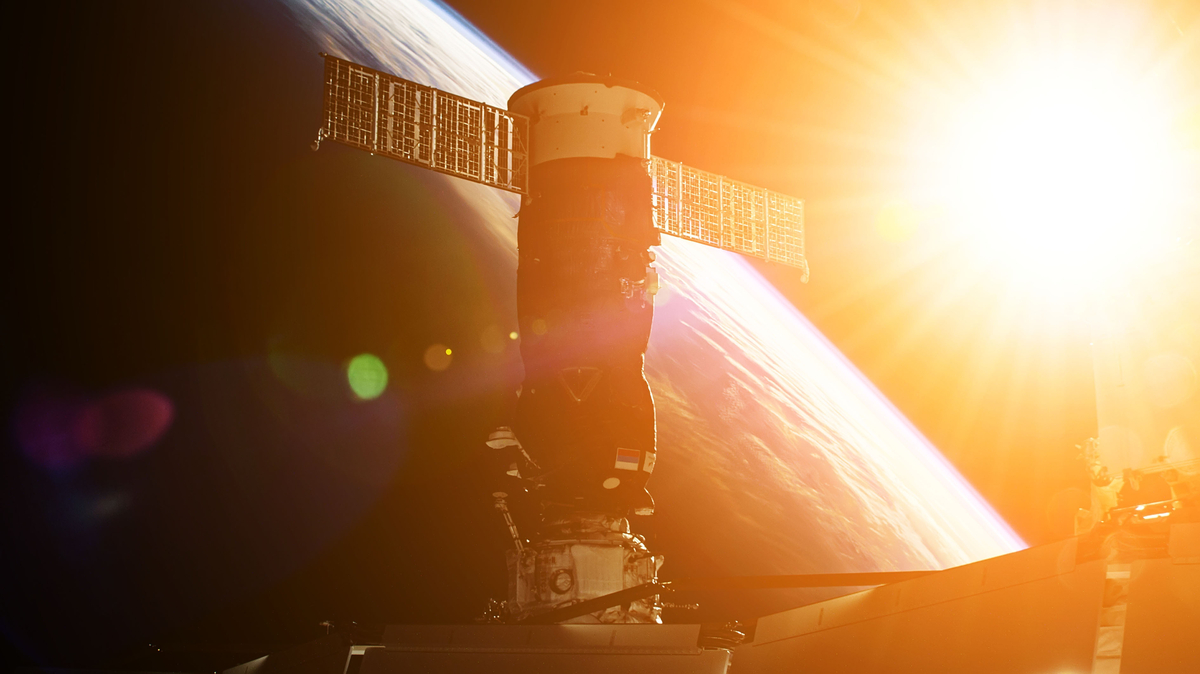
SpaceX’s Terafab Will Be Bigger Than Any Building on Earth. Here’s When Investors Will Profit, marking one of the most ambitious industrial and technological undertakings in modern corporate history. SpaceX is officially partnering with Tesla to scale the massive Terafab chip facility, a colossal undertaking expected to cost more than $100 billion. This vertically integrated, 100 million-square-foot plant is designed to make, package, and test advanced logic and memory chips entirely under one roof. Without this facility, industry analysts and project context indicate that SpaceX’s growth runway and current valuation are in substantial doubt.
What Changed in the Semiconductor and Aerospace Landscape
SpaceX has taken concrete steps to advance its massive semiconductor ambitions through its strategic partnership with Tesla. According to a regulatory filing from May, SpaceX proposed an initial investment of $55 billion for the Terafab. That monumental financial figure is expected to rise to as much as $119 billion if extra phases of the project are fully completed. Construction of the Terafab site is officially scheduled to begin this coming December, with the first phase of the project projected to come online sometime in 2028.
When construction is fully complete, the sprawling 100 million-square-foot facility would easily become the largest building on Earth. Financial projections compiled by UBS estimate that SpaceX is expected to spend a staggering $1 trillion in capital expenditures over the next five years alone, with approximately 20% of that total dedicated directly to the Terafab initiative.
Business Implications and Sector Impact
The scale of the Terafab is closely tied to the future hardware requirements of both SpaceX and Tesla. The facility is explicitly designed to produce custom processors for Tesla’s upcoming Optimus robots and Cybercabs, alongside high-power specialized chips required for SpaceX’s space-based data centers. These components target sweeping vertical integration across both companies’ automation, robotics, and connectivity ecosystems.
Industry bodies emphasize the foundational nature of these components. According to the Semiconductor Industry Association, semiconductors are the fundamental enabling technology of AI. Furthermore, OpenAI CEO Sam Altman states that increasing compute is the literal key to increasing revenue. Amplifying this perspective, Anthropic CEO Dario Amodei states that rapid progress is ultimately driven by the amount of available computation, and he believes that rapid AI adoption could severely strain the global semiconductor industry’s existing capabilities.
According to SpaceX’s IPO prospectus, more than 90% of the company’s long-term growth opportunity relates exclusively to artificial intelligence. This critical metric underscores why securing an internal, vertically integrated semiconductor supply chain is viewed as an existential priority for the company’s long-term operations and valuation metrics.
Financial Context and When Investors Will Profit
Investing in infrastructure of this unprecedented magnitude requires substantial upfront capital outlays, and SpaceX’s recent financial statements reflect heavy investment phases. Official reports note that SpaceX lost around $5 billion in 2025, and quarterly losses totaled $541 million last quarter.
Given the massive capital expenditure pacing, market participants naturally look toward the horizon for financial relief and returns. Investors should expect cost savings to appear in 2029 if the construction schedule is completed on time, though it may take another year or two for those operational savings to become truly meaningful. This extended timeline directly reflects the sheer engineering scale of building, equipping, and operationalizing a 100 million-square-foot semiconductor fabrication, packaging, and testing plant.
Risks, Uncertainties, and Limitations
Despite the grand ambitions outlined in regulatory filings and the IPO prospectus, the Terafab initiative carries notable financial, logistical, and operational hurdles. Future delays for the Terafab project are possible, given the unprecedented engineering challenges of constructing the largest building on Earth while simultaneously scaling advanced semiconductor manufacturing workflows.
Additionally, implied market capitalization may vary as funding phases progress across the coming years. Whether meaningful cost savings will take another year or two after 2029 introduces added uncertainty for near-term investor returns and cash flow projections.
What to Watch Next
Stakeholders, market observers, and investors should closely monitor the official ground-breaking ceremony scheduled for this December. Subsequent operational milestones to track include progress on the initial $55 billion investment phase, potential scaling toward the $119 billion financial cap, and preparations for the first phase to officially come online in 2028. Any updates regarding capital expenditure pacing from UBS or adjustments to the multi-year $1 trillion projection will also provide vital clarity on the project’s long-term financial trajectory.