
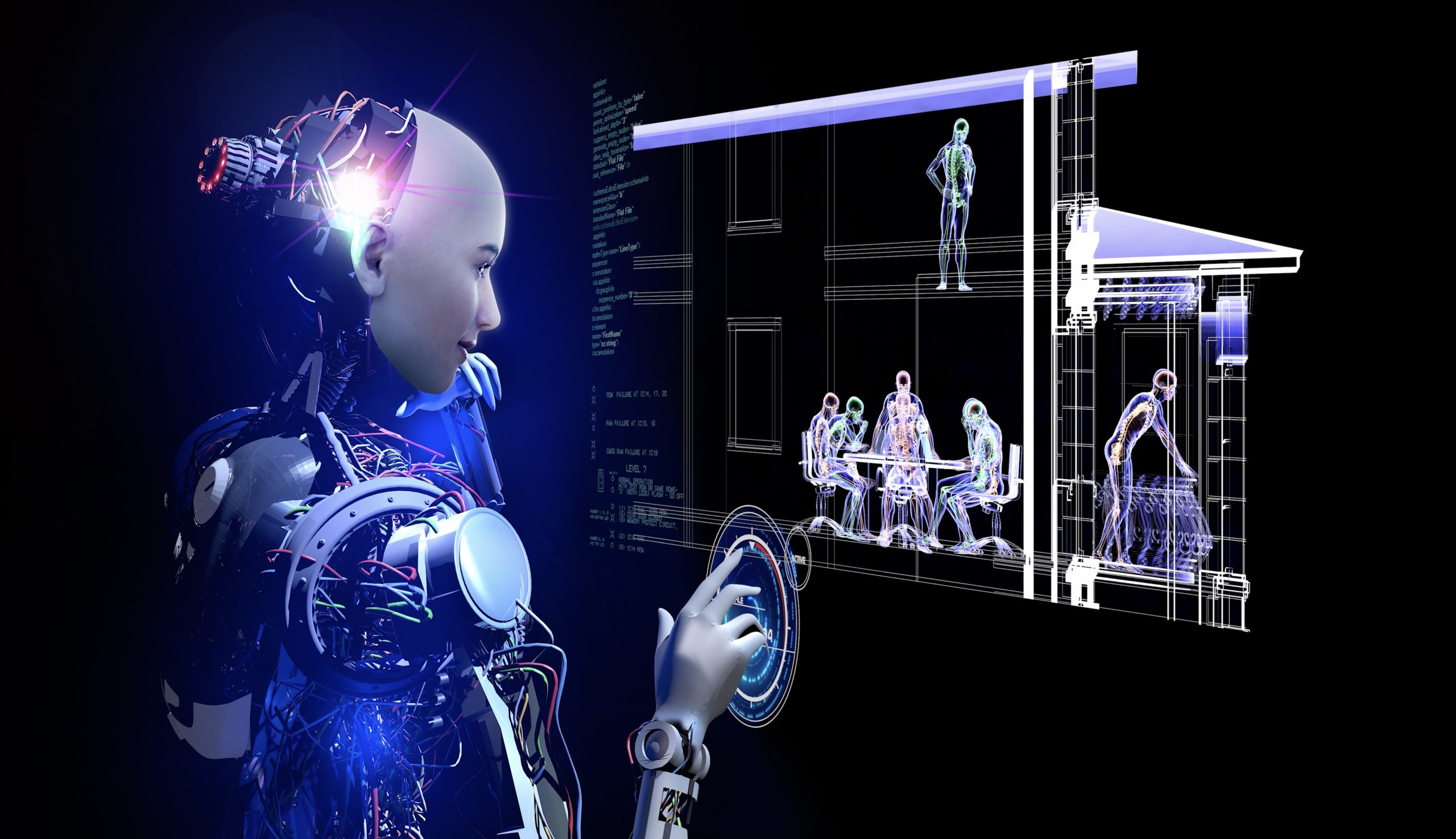
Tesla aims to produce 10 million humanoid robots, called Optimus, at its Texas factories in the near future, although an exact date has not been set. This ambitious manufacturing goal shifts attention away from traditional vehicle production metrics toward a massive humanoid robotics initiative. While Tesla shares are traded on NASDAQ under the ticker TSLA at a current price of $382.70 with a market capitalization of $1.5 trillion, the company’s broader industrial ambitions depend heavily on an extensive and robust supply chain that has yet to fully materialize.
What Changed
Tesla has outlined plans to scale production of its Optimus humanoid robot to an annual rate of 10 million units. The Optimus product is currently just a prototype, and Tesla wants to sell it to customers for around $25,000 apiece. If Tesla hits its target of 10 million robots at $25,000 per robot, it would equate to $250 billion in annual sales. For context, Tesla delivered 486,532 vehicles in Q3, illustrating the immense scale-up required to reach its future robotics manufacturing objectives.
Context and Current Status
Despite the scale of the announcement, the Optimus initiative remains in a developmental phase. The humanoid robot is currently just a prototype. If it can be made feasible, Optimus could have immense value worldwide. According to analysis, Optimus could be used for household chores, construction, farming, and other manual labor replacement, with commercial and industrial use cases worldwide. However, transitioning from a prototype to a mass-produced consumer and industrial product requires overcoming significant engineering and supply chain hurdles.
Supply Chain Implications and Stocks Set to Benefit
Achieving a manufacturing volume of 10 million robots per year requires a massive supporting ecosystem of precision hardware, electronic controls, sensors, and interconnectors. Several established technology and industrial suppliers are positioned to benefit if this market scales up.
Moog is a longtime supplier of precision actuators, mechanical controls, and electronic systems for aircraft and space, with revenue up 847% cumulatively in the 21st century. Analysts suggest that Moog’s revenue growth could accelerate if the humanoid robot market takes off, given the high demand for precision actuation in bipedal robotics.
Amphenol operates in the sensor, interconnector, and cable market, and saw 30% organic growth last quarter, reaching $8.8 billion. Humanoid robots will need many connectors and sensors to work properly, making it a promising growth market for Amphenol as automation and robotics production expand.
Texas Instruments’ revenue grew 23% year over year last quarter to $5.46 billion, trades on a price-to-earnings (P/E) ratio of 44, and its dividend per share is up 184% in the last 10 years. Observers note that Texas Instruments may be on the cusp of a decade-long run of growth, making it a good stock to buy and hold for the long term as industrial electronics demand rises.
Business Implications and Sector Impact
The pivot toward mass-produced humanoid labor has sweeping implications for both the automotive and industrial automation sectors. By targeting a $25,000 price point, Tesla is aiming for a cost structure that could displace human labor across multiple industries. If successful, this would fundamentally alter labor economics in construction, farming, manufacturing, and household services. However, the business case relies entirely on solving complex hardware reliability, power efficiency, and artificial intelligence autonomy challenges.
Risks, Limitations, and Uncertainties
Several critical limitations constrain the current outlook. Most notably, Tesla wants to increase its production of Optimus humanoids in Texas to 10 million sometime in the near future, although an exact date has not been set. Because the product is still in the prototype stage, cost projections, manufacturing timelines, and operational capabilities remain speculative. Supply chain partners like Moog, Amphenol, and Texas Instruments stand to benefit from general trends in automation and precision engineering, but their direct financial upside tied specifically to Tesla’s 10-million-unit goal depends entirely on execution milestones that have yet to be proven.
What to Watch Next
Investors and industry observers should monitor developmental milestones for the Optimus prototype, official timelines for the Texas factory build-out, and verified supply chain contracts. Tracking quarterly financial reports and organic growth metrics from component suppliers such as Moog, Amphenol, and Texas Instruments will also provide clearer signals regarding whether the foundational supply chain for mass-market humanoid robotics is successfully coming into existence.