
Introduction
On Thursday, 2026, Canadian Prime Minister Mark Carney designated the Pacific Link pipeline as a project of national interest, allowing a speedier regulatory review. The move has drawn sharp criticism from Washington State Governor Bob Ferguson, who called the decision “disappointing” and warned that the region’s spill‑response resources are insufficient for a project of this scale. The Pacific Link, a 775‑mile conduit from the Edmonton region to a new export terminal at Port of Vancouver’s Roberts Bank, would be capable of moving one million barrels of crude oil per day and could see oil flowing through the pipeline by the early 2030s.
The pipeline’s fast‑track status has implications that ripple across the U.S.‑Canada border, from increased tanker traffic in shared waters to heightened risk to sensitive marine habitats. This article examines the key changes, technical details, business and environmental implications, and the responses from Washington state officials and Indigenous communities.
What Changed: Fast‑Tracking and National Interest Designation
The Pacific Link pipeline was previously in the planning stages, but the 2026 designation as a project of national interest marked a significant shift. Under this status, the Canadian government can accelerate the regulatory review process, bypassing some of the more time‑consuming steps that typically accompany large infrastructure projects.
The decision was announced on a Thursday in 2026, a day that also saw the announcement of the pipeline’s route and capacity. By moving the project forward more quickly, the Canadian government aims to meet growing demand for crude oil exports to Asia and to strengthen its energy infrastructure.
The Pacific Link Pipeline: Route, Capacity, Timeline
- Length: 775 miles
- Capacity: 1,000,000 barrels per day
- Route: From the Edmonton region in Alberta to a new export terminal at Port of Vancouver’s Roberts Bank, just north of the U.S. border
- Timeline: Oil could flow through the pipeline by the early 2030s
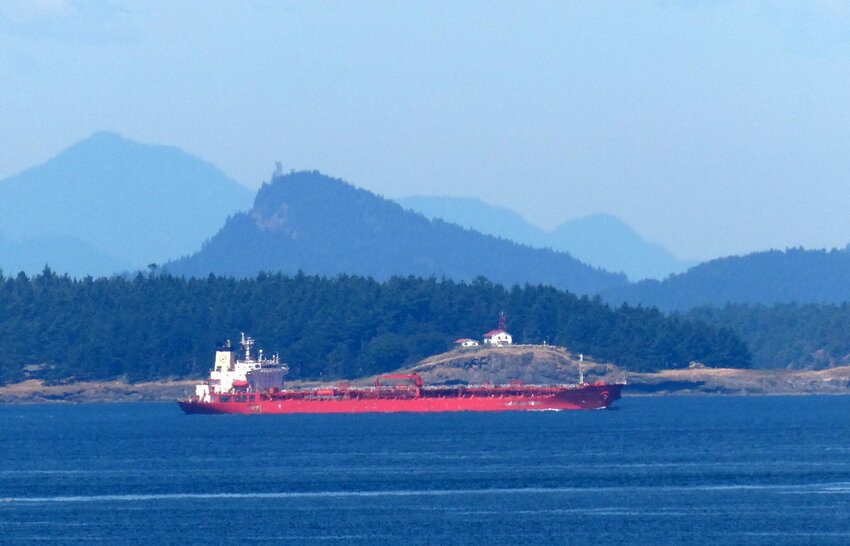
The pipeline would use the existing Trans Mountain Pipeline corridor, leveraging established relationships with First Nations along the route. The new export terminal at Roberts Bank would serve as a gateway for supertankers capable of carrying 92 million gallons of oil—eight times the volume of the Exxon Valdez spill.
Technical Overview: Existing Corridor, First Nations, Super Tanker Traffic
Existing Corridor
The Pacific Link will run along the Trans Mountain Pipeline corridor, a well‑known route that has already been cleared for oil transport. This reuse of an existing corridor reduces the need for new land acquisition and eases regulatory hurdles.
First Nations Relationships
The project will maintain established relationships with First Nations communities, including the Lummi, Samish, Swinomish, and Makah tribes. These communities previously opposed a Canadian pipeline expansion, raising concerns about environmental impacts and sovereignty.
Super Tanker Traffic
The envisioned supertankers would have a capacity of 92 million gallons of oil, a figure that underscores the scale of potential spill risk. The increased tanker traffic through the shared waters of Washington and British Columbia could strain existing maritime infrastructure and emergency response capabilities.
Business Implications: Shipping, Trade, Regional Economy
The Pacific Link pipeline is expected to boost trade between Canada and Asia by providing a reliable export route. For the Pacific Northwest, the pipeline could create jobs during construction and operation phases, and it may stimulate ancillary industries such as logistics, port services, and maritime insurance.
However, the increased tanker traffic also raises operational costs for shipping companies, who must navigate tighter waterways and adhere to stricter environmental regulations. The economic benefits must be weighed against the potential costs of environmental damage and the need for enhanced spill‑response infrastructure.
Environmental and Marine Risks: Spill Potential, Sensitive Habitats
The Pacific Link pipeline’s route brings it close to several sensitive marine ecosystems, including the Salish Sea, the San Juan Islands, and the Strait of Juan de Fuca. The Georgia Strait Alliance, an environmental group in British Columbia, has opposed the export terminal at Roberts Bank, citing long‑term impacts on ecosystems and communities.
The potential for a catastrophic spill is a central concern. The supertankers envisioned for the route would carry 92 million gallons of oil—eight times the volume of the Exxon Valdez spill. If a spill were to occur before updated plans and response capabilities are in place, the environmental damage could be severe.
Washington State Response: Governor Ferguson, Representative Larsen, Tribal Concerns
Governor Bob Ferguson
Governor Ferguson expressed disappointment at the decision to fast‑track the pipeline. He stated, “If a project of this scale is going to proceed, it needs to come with a corresponding commitment to also increase our region’s capacity to prevent and respond to a catastrophic spill.” He also warned that resources needed to respond to a major spill are insufficient today.
Representative Rick Larsen
U.S. Representative Rick Larsen echoed Ferguson’s concerns, saying, “This project is not ready for prime time, and speeding up the review process will only make that worse.” He added that Canada’s plan puts sensitive marine habitats at risk and raises the chance of a devastating spill before updated plans can be put in place.
Tribal Concerns
Northern Washington tribes—Lummi, Samish, Swinomish, and Makah—had previously opposed a Canadian pipeline expansion. Their opposition underscores the importance of Indigenous consultation and the need to address sovereignty and environmental stewardship.
Regional Spill Prevention and Response Capacity
The Pacific Link pipeline’s potential to increase tanker traffic highlights the need for robust spill prevention and response mechanisms. Governor Ferguson and Representative Larsen have called for detailed commitments from the Canadian government to safeguard shared marine waters and fill gaps in response capabilities.
The Washington State Department of Ecology and the Washington State Department of Fish and Wildlife are monitoring the situation closely. They are evaluating whether current emergency response plans are adequate for the increased risk posed by the pipeline and its associated tanker traffic.
Limitations and Uncertainties
- Uncertain Discussions: It is not known if the meeting between Governor Ferguson and Canada’s ambassador Mark Wiseman discussed the pipeline.
- Commitment Gaps: No detailed commitments have yet been made regarding spill‑response capacity or environmental safeguards.
- Regulatory Oversight: While the pipeline is fast‑tracked, it still requires regulatory approval from multiple agencies, and the speed of this process remains uncertain.
What to Watch Next
- Regulatory Decisions: The next steps in the Canadian regulatory review will determine whether the pipeline can proceed.
- Spill‑Response Agreements: Washington state officials will likely push for formal agreements outlining spill‑response responsibilities.
- Environmental Impact Assessments: Updated assessments may reveal additional risks or mitigation strategies.
- Indigenous Consultation: Ongoing dialogue with First Nations will be critical to address sovereignty and environmental concerns.
Conclusion
The fast‑tracking of the Pacific Link pipeline by Canada’s Prime Minister has sparked significant concern in Washington state. Governor Bob Ferguson’s disappointment reflects broader worries about spill‑response capacity, environmental protection, and cross‑border economic impacts. As the project moves forward, the balance between economic benefits and environmental risks will remain a central point of debate.
The Pacific Link pipeline’s potential to reshape trade routes, increase tanker traffic, and challenge existing environmental safeguards underscores the need for rigorous scrutiny and robust response plans. Washington state officials, Indigenous communities, and environmental groups will continue to monitor the project’s progress and advocate for measures that protect shared marine ecosystems and regional safety.
—
Sources
- Yelmo, “Washington state governor disappointed Canada is fast‑tracking new oil pipeline to B.C.”, October 13, 2026.