
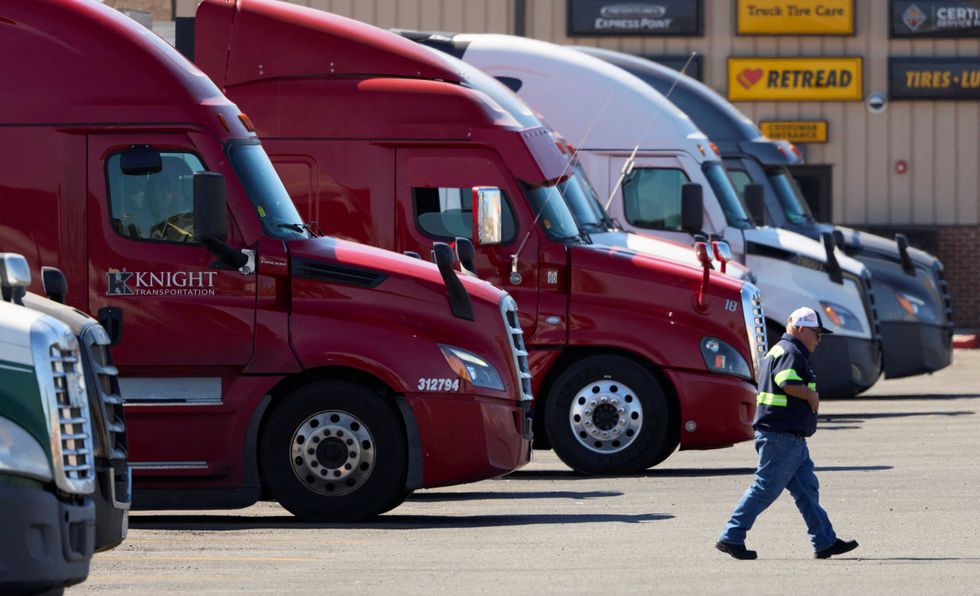
Well over a dozen small trucking operators filed for bankruptcy over the past month as soaring diesel prices created severe operational headwinds across the freight industry. According to reporting and industry observations, national fuel costs surged following disruptions to global oil trade sparked by President Donald Trump’s war against Iran. Small operators, which dominate registered motor carrier companies, are struggling to keep up with the unprecedented financial strain.
What Changed in the Freight Sector
The most visible and immediate change for independent truck drivers is the staggering cost of filling up their commercial rigs. On Saturday, the national average price for a gallon of diesel fuel reached $6.36. This represents an increase of $2.65 compared to the same period a year ago. The latest price sits just 17 cents below the all-time record high recorded on Sept. 22.
Individual operators bear the brunt of these escalating input costs. At a Flying J Travel Center in Orange, Texas, trucker Agron Berani paid $944.44 to fill up his 18-wheeler with diesel fuel. That exact fill-up would have cost approximately $500 a year ago, nearly doubling his fueling expenses for a single trip. As overhead costs spiral out of control, small operators face impossible choices between absorbing the losses, raising rates, or shutting down operations entirely.
Context and Background: Global Conflict and Energy Costs
The dramatic spike in fuel prices is not an isolated economic fluctuation. Rather, diesel costs soared following disruptions to global oil trade sparked by President Donald Trump’s war against Iran. Because diesel fuel is essential for heavy-duty commercial transportation, global crude market shocks transmit rapidly and painfully to the pumps where long-haul operators buy their fuel.
Small-scale logistics providers operate on notoriously thin profit margins. Unlike large fleets that may utilize complex fuel-surcharging mechanisms, long-term contracts, or bulk fuel-hedging strategies, independent owner-operators must pay spot market rates at travel centers across the country. When diesel prices nearly double within a year, these independent operators absorb the financial impact directly, threatening their operational survival.
Dire Measures Adopted by Truck Drivers
Faced with mounting financial pressure, truck drivers have adopted extreme cost-saving measures to stay solvent. Out at the fuel bays, truckers report cooking meals inside their cabs rather than purchasing food at rest stops, and sleeping where they unhooked their trailers to avoid overnight parking fees.
Drivers are also cutting back on basic maintenance and appearance expenses. Some operators wait for rainstorms to clean their rigs rather than paying $100 for a professional truck wash. More drastically, some individuals are parking their trucks altogether, choosing to halt operations rather than run loads at a net loss.
When asked about his outlook, Agron Berani noted the profound difficulty of exiting the industry. “I can’t sell the truck. What am I going to do if I sell the truck?” he expressed, highlighting the locked-in capital investments that trap operators in a losing business cycle.
Business Implications and Sector Impact
Small operators dominate registered motor carrier companies in the United States, forming the backbone of the domestic supply chain. However, their financial fragility leaves the broader logistics network vulnerable to macroeconomic shocks.
More than a dozen small operators have filed for bankruptcy in the past month alone. Business analysts note that if these small fleets disappear, capacity across regional and national freight lanes will contract sharply. This contraction could eventually drive up shipping rates for consumer goods, manufacturing inputs, and agricultural products, creating secondary inflationary pressures throughout the broader economy.
Risks and Limitations
The primary risk facing the trucking sector is sustained high energy pricing coupled with a lack of relief from macroeconomic policies or shipper contracts. According to reporting by Raw Story and The Wall Street Journal, the Owner-Operator Independent Drivers Association has issued clear warnings regarding the future of the industry.
The association warned that more bankruptcies will follow if fuel prices do not drop significantly. Because independent operators have limited cash reserves and face rigid equipment financing costs, their runway is exceptionally short. Limitations in how quickly freight rates can be renegotiated mean that relief, if any, will arrive too late for numerous operators currently teetering on insolvency.
Who May Be Affected
1. Independent Owner-Operators: Solo drivers and small fleet owners face immediate insolvency risks as operating costs outstrip revenues.
2. Shippers and Manufacturers: Companies relying on small motor carriers for freight movement face potential capacity shortages and delivery delays.
3. Consumers: Downstream effects could include higher retail prices for goods as transportation expenses climb.
4. Regional Service Hubs: Travel centers, truck stops, and maintenance yards may see reduced spending from cash-strapped drivers cutting back on non-essential services.
What to Watch Next
Industry observers will be monitoring national diesel price trends closely to see whether values retreat from the $6.36 threshold or climb back toward the record high set on Sept. 22. Additionally, stakeholders should watch for policy interventions, further trade developments stemming from the conflict involving Iran, and official bankruptcy filings tracked by organizations like the Owner-Operator Independent Drivers Association. Whether additional small operators can endure these conditions or whether a wave of liquidations reshapes the American freight market remains the central question for the sector.