
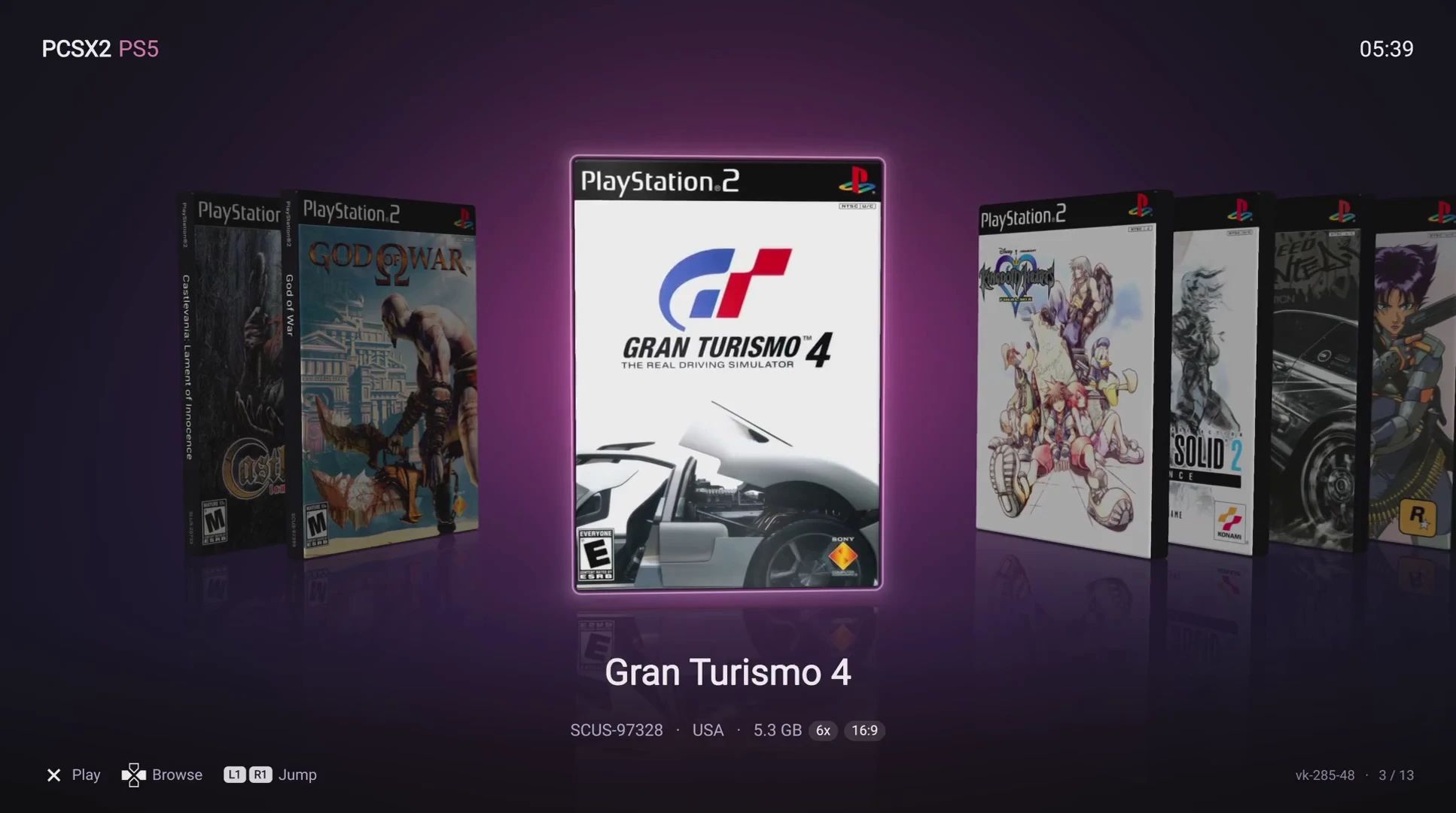
Modern gaming consoles have increasingly mirrored the architecture of standard personal computers, unlocking new possibilities for software modification when custom firmware is applied. According to reports published on October 3, 2026, hobbyists are finding ways to Play PlayStation 2 and XBox 1 Games on Your Jailbroken PS5 through dedicated emulation and translation projects.
Because contemporary systems like the PlayStation 5 are fundamentally x86-based gaming PCs equipped with custom firmware, they possess the underlying hardware architecture required to execute unauthorized custom programs once jailbroken.
What Changed
Recent community-driven development efforts have begun bringing classic console emulators and compatibility layers to Sony’s current-generation hardware. Notably, PlayStation 2 and Xbox 1 emulators are actively being ported to the PS5 via the PS5X2 and XPSemu projects, respectively.
At the same time, reports from Videocardz indicate that Wine is being ported to the PS5 as its Proton iteration, which is referred to as the ‘PP’ project or PS5 Proton. This software engineering work shifts the capability boundary of the console, pushing it beyond native titles into the realm of cross-platform emulation and PC software translation layers.
Technical Explanation and Architecture
The technical backbone of these developments relies heavily on leveraging the PS5’s internal x86 architecture and graphics hardware.
Among the current initiatives, the PS5X2 project is the most complete so far. It offers a port of the PCSX2 PlayStation 2 emulator, achieving GPU acceleration via the Vulkan API by utilizing the PS5Vulkan project. Because of this hardware-accelerated pipeline, many classic PlayStation 2 games work at full speed on the PS5X2 setup, even when rendered at multiple times their original resolution.
Meanwhile, the XPSemu project is based on the xemu Xbox emulator. This project has hit the Alpha 1 development level. While its general game compatibility is currently described as sketchy, specific titles such as Halo 2 run well on the configuration.
Limitations and Hardware Constraints
Despite the technical achievements of these emulator ports, significant limitations remain for users attempting to run legacy software on modified hardware.
Neither the PS5X2 nor the XPSemu emulator supports playing games directly from original physical media. Owners cannot insert original DVDs into the console; instead, all game disc images must be stored directly on the PS5’s internal SSD.
Furthermore, broader compatibility projects face development hurdles. The ‘PP’ project aiming to bring Wine and Proton to the console has no public releases yet. Consequently, whether Wine and Proton porting to the PS5 will eventually result in a public release or successful Windows game compatibility remains entirely uncertain.
Business and Software Implications
These independent homebrew developments illustrate the ongoing cat-and-mouse dynamic between console manufacturers and software modification communities. While Sony designs the PlayStation 5 as a closed ecosystem intended to run digitally signed code and official software from the PlayStation Network and physical media, the x86 foundation leaves the hardware vulnerable to deep-level software modification once security barriers are bypassed.
Projects like PS5 Proton, if they ever materialize into public releases, hint at a future where playing Windows games on the PS5 could theoretically become a reality. However, given the lack of official support, closed-source firmware updates, and the legal and technical risks associated with jailbreaking consumer hardware, these capabilities remain strictly within the domain of hobbyist experimentation rather than mainstream commercial utility.
What to Watch Next
As development continues, observers will track whether the XPSemu project moves past its Alpha 1 limitations to stabilize broader Xbox 1 compatibility, and whether the PS5X2 emulator receives further performance optimizations. Most importantly, the technology community will monitor if the secretive ‘PP’ Wine/Proton initiative yields any verifiable public releases or if it remains an unfulfilled proof of concept.