
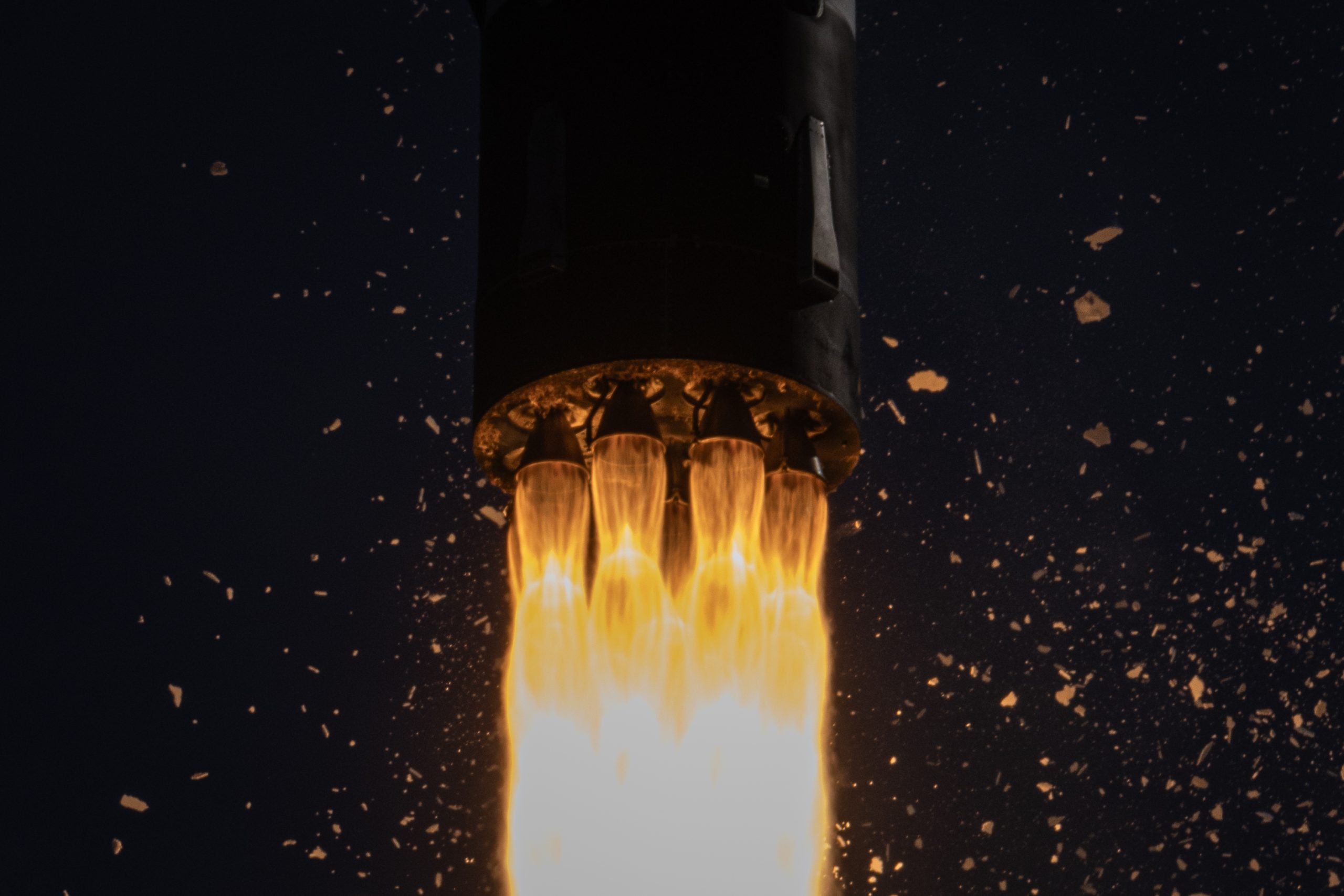
Rocket Lab has successfully executed 18 launches so far in 2026, with nine more missions scheduled on its manifest for the remainder of the year. While a robust launch cadence highlights the company’s operational tempo, the true industry-shifting news centers on its financial and strategic expansion. Alongside its steady stream of missions for commercial and government customers, Rocket Lab is pursuing an $8 billion proposed acquisition of Iridium Communications, a move that stands to transform the company’s financial profile. Attribution for these operational updates comes from launch data reported by NextSpaceflight.com and official corporate announcements.
As the commercial space sector matures, individual launch providers face increasing pressure to scale operations while proving long-term financial viability. Rocket Lab’s execution throughout 2026 offers a clear window into this dynamic. By balancing a frequent flight rate with massive corporate restructuring, the company is attempting to redefine its place in the global space economy. Understanding these dual tracks—operational launch achievements and large-scale corporate consolidation—requires examining the timeline of events, customer commitments, and financial maneuvers that have defined the company’s year.
What Changed
On Friday, September 25, 2026, Rocket Lab achieved a major milestone by launching its 97th rocket overall, marking its 94th successful rocket flight, its 18th launch of the year, and its 13th mission for Earth-imaging customer Synspective. The mission deployed the latest StriX satellite to space from Launch Complex 1. Official communications from the company noted that the Electron rocket launched for the 97th time and deployed the latest StriX satellite to space for @synspective from Launch Complex 1.
Beyond this individual flight, the company’s manifest reveals continued growth in launch volume. By the end of 2026, Rocket Lab may reach 27 total launches, which would surpass the 21 launches recorded the previous year by six missions. However, corporate leadership has not formally stated a specific launch goal for the full year. Tracking data from NextSpaceflight.com provides the foundation for these manifest projections, illustrating how steady operational execution underpins the company’s daily business.
Manifest and Customer Commitments
According to NextSpaceflight.com, nine more launches remain on Rocket Lab’s manifest for the remainder of 2026. This remaining schedule includes three missions for BlackSky, three for iQPS, one for HawkEye 360, one for Capella Space, and one for NASA featuring the LOXSAT 1 payload. These diverse missions highlight the broad trust that commercial constellation operators and government agencies place in Rocket Lab’s launch vehicle capabilities.
In addition to these near-term missions, Synspective has contracted Rocket Lab to launch 20 more satellites in addition to prior commitments. This brings the total remaining launches for Synspective to 34. Official statements indicate that another 14 launches remain on schedule to deliver the rest of Synspective’s constellation to space by the end of the decade. This multi-year pipeline ensures steady demand for Rocket Lab’s launch services well into the future, providing a stable operational baseline while the company pursues larger corporate ambitions.
Sector Impact and the Iridium Acquisition
Despite the steady cadence of Electron launches, the most significant development for Rocket Lab is its corporate maneuvering. In June, Rocket Lab announced an $8 billion proposed acquisition of Iridium Communications. Under the terms of the agreement, Rocket Lab will acquire all Iridium shares for $27 in cash plus $27 in Rocket Lab stock. This transaction represents a massive consolidation effort within the satellite and launch sectors.
Financial preparations for the buyout moved swiftly in September. On September 24, Iridium shareholders voted to approve the buyout. To secure the required $4 billion cash portion, Rocket Lab utilized $2.3 billion in existing cash reserves and raised an additional $1.9 billion through stock sales executed on September 15. These aggressive capital-raising efforts demonstrate the company’s commitment to completing the transaction and integrating Iridium’s established space assets.
Business Implications
Bringing Iridium in-house carries profound financial implications for Rocket Lab. According to corporate claims, integrating Iridium’s established operations will make Rocket Lab instantly profitable and free cash flow positive. This transformation addresses one of the primary historical challenges faced by dedicated launch providers: achieving sustainable, high-margin profitability in a capital-intensive industry.
Transitioning to immediate profitability alters Rocket Lab’s standing within the commercial space sector, shifting its identity from a pure-play launch provider dependent on mission volume to a vertically integrated space infrastructure and services conglomerate. By combining reliable launch capabilities with Iridium’s established operational network, the combined entity can offer end-to-end services to commercial and government clients alike.
Risks, Limitations, and Regulatory Hurdles
While shareholders have given their approval, the transaction is not yet finalized. Assuming regulatory approval is granted, the merger is expected to conclude by mid-2027. Until regulatory clearances are secured, the acquisition remains subject to standard closing conditions and government oversight.
Furthermore, while NextSpaceflight.com outlines nine more launches on the manifest for the remainder of the year, launch schedules in the aerospace industry are inherently susceptible to weather delays, technical reviews, and payload readiness issues. Rocket Lab’s projected total of 27 launches by the end of 2026 remains an estimate based on current manifests rather than a rigid corporate guarantee.
What to Watch Next
Observers and investors should monitor two parallel tracks for Rocket Lab: the execution of its remaining 2026 launch manifest—including the upcoming missions for NASA, BlackSky, iQPS, HawkEye 360, and Capella Space—and the regulatory review process governing the Iridium merger as it heads toward a prospective mid-2027 completion date. Tracking how the company manages its increased launch cadence while preparing for structural integration will provide vital insight into the future of commercial space infrastructure.