
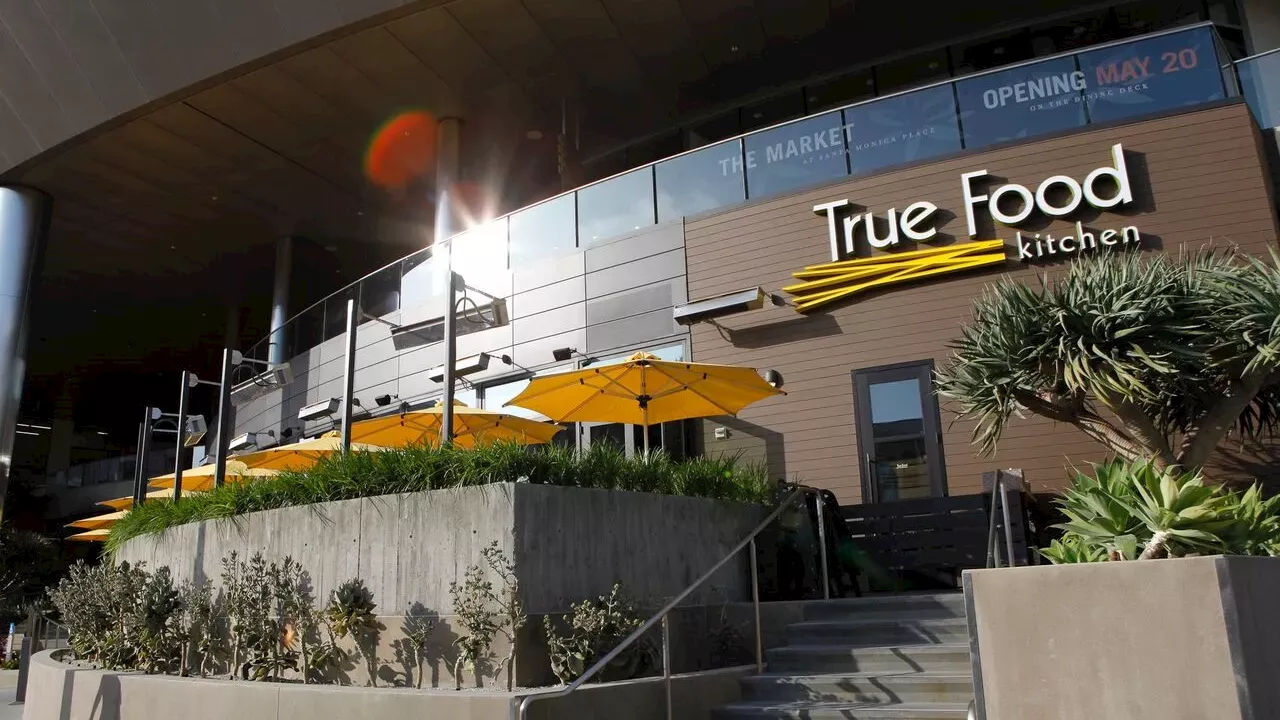
True Food Kitchen filed for Chapter 11 protection on Sunday, closing a dozen restaurant locations and leaving 34 locations across 14 states open as it searches for a buyer. The Phoenix-founded health-conscious dining chain, which received a high-profile investment from Oprah Winfrey in 2018, listed approximately $42.1 million in funded debt obligations in its court filings.
What Changed
True Food Kitchen officially sought Chapter 11 bankruptcy protection on Sunday. Alongside the filing, the company shut down 12 restaurant locations across the United States. Shuttered units include Century City, El Segundo, and San Diego UTC in California; Miami; Chicago; New Orleans; Bethesda, Maryland; Edison and Hackensack, New Jersey; Garden City, New York; Columbus, Ohio; and Reston, Virginia.
The sweeping closures leave 34 operating locations distributed across 14 states. According to financial adviser George N. Koutsonicolis, the company currently holds approximately $1.6 million in unrestricted cash. That amount is projected to cover routine operations and bankruptcy expenses for about two weeks without securing external financing and other cash reserves.
To bridge this financial gap, True Food Kitchen has secured a commitment for approximately $20 million in financing from HumanCo TFK IV, though the funding remains subject to court approval. CEO Jeff Chandler took the helm in July and called the court-supervised restructuring process the best path forward to simplify operations.
Context and Background
Founded in Phoenix in 2008, True Food Kitchen built its brand on health-focused dining and wellness-oriented menu offerings. A major turning point occurred in 2018 when media mogul Oprah Winfrey invested in the enterprise. Then-CEO Christine Barone described Winfrey’s 2018 equity investment as a very significant amount for the company’s future and stated that Winfrey would join the board as the chain initially planned to double in size over a three-year period.
According to corporate disclosures, Oprah Winfrey remains a minority investor in True Food Kitchen. However, she is not involved in daily operations, does not have a representative on the board, and does not participate in day-to-day management.
Why It Matters: Operational Missteps
Chief Restructuring Officer Nathan Cook pointed to several structural challenges that precipitated the bankruptcy filing. Cook stated that significant management turnover resulted in frequent, disruptive changes to the company’s expansion strategy, brand direction, and menu offerings.
Furthermore, successive leadership teams invested in new products and secondary restaurant concepts that proved unsuccessful. Cook noted these experimental efforts strayed from the brand’s core health-focused mission.
The company also suffered setbacks during the COVID-19 pandemic. Cook stated that delivery-only kitchen efforts hurt staffing and service quality during the public health crisis. Those delivery-only initiatives have since been ended.
Business Implications and Sector Impact
The restructuring process represents a critical juncture for the health-casual dining sector. CEO Jeff Chandler stated that the Chapter 11 process will allow the business to simplify and focus on delivering craveable, health-forward food and genuine hospitality. Chandler expressed confidence that the step will build a stronger True Food Kitchen for the future.
In addressing the immediate impact on workforce members, leadership acknowledged the severe disruption caused by the closures. Executives noted that decisions to shutter locations are especially hard on affected team members and expressed deep gratitude for their contributions to True Food Kitchen and their local communities.
Limitations and Uncertainties
The financial stability of the restructuring effort depends heavily on pending legal and commercial milestones. Key uncertainties include whether the bankruptcy court will formally approve the $20 million in financing committed by HumanCo TFK IV. Additionally, it remains unconfirmed whether True Food Kitchen will successfully find a buyer during the bankruptcy process to secure long-term viability for the remaining 34 restaurants.