
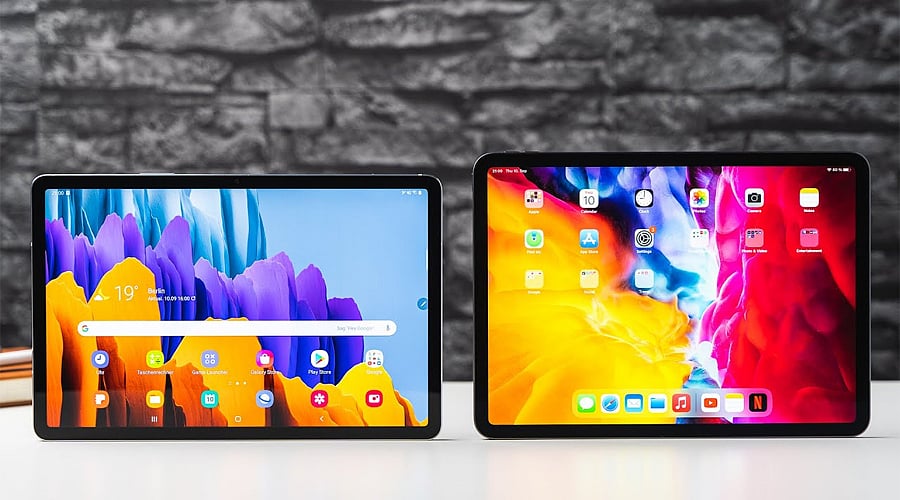
When evaluating high-end mobile computing hardware, choosing between Samsung’s flagship tablets and Apple’s professional lineup involves understanding distinct software paradigms, hardware architectures, and ecosystem boundaries. The ongoing market comparison between Galaxy Tab vs iPad Pro: 7 Key Differences to Know highlights how these two premium product lines cater to different user workflows, hardware preferences, and existing device investments.
Published analysis indicates that both platforms excel in entertainment, gaming, creative work, and productivity. However, they approach these use cases through divergent philosophies. Prospective buyers must navigate variations in operating systems, display technologies, silicon architectures, and peripheral support.
What Changed and Current Context
As of October 7, 2026, the competitive landscape between premium Android and iPadOS slates remains defined by steady hardware refinements and software enhancements. Samsung continues to position its high-end Galaxy Tab devices as versatile productivity powerhouses built on Android and One UI. Meanwhile, Apple leverages its custom silicon and iPadOS to target professional creative workloads.
While display size, resolution, and refresh-rate specifications vary by model, requiring buyers to compare specific generations, the overarching architectural and ecosystem distinctions remain consistent. The choice between the two platforms increasingly depends on priorities, budget, and existing devices.
1. Operating Systems and Interfaces
The most fundamental distinction lies in the underlying software. Samsung Galaxy Tab models run on Android with Samsung’s One UI interface, offering flexibility, extensive multitasking options, and deep customization. Conversely, the iPad Pro runs Apple’s iPadOS, focusing on tablet-optimized applications and a tightly controlled user experience.
Galaxy Tab devices feature Samsung DeX, a dedicated interface mode that transforms the tablet experience into a desktop-like multitasking and productivity environment. This feature is particularly useful for users who rely on windowed applications and traditional desktop workflows.
2. Display Technologies
Visual performance is a core battleground for premium tablets. High-end Galaxy Tab models feature large AMOLED displays characterised by vivid colours, deep blacks, and high refresh rates.
On the other side, iPad Pro models use advanced OLED displays that deliver excellent brightness, contrast, and colour accuracy. Both display technologies offer exceptional viewing experiences, though individual preferences for colour tuning and panel characteristics may influence buyer decisions.
3. Processor Architectures and Performance
Under the hood, the two product lines rely on fundamentally different silicon families. iPad Pro models are powered by Apple’s high-performance M-series chips, which have built a strong reputation for raw computing power and energy efficiency.
Premium Galaxy Tab models use flagship Qualcomm Snapdragon processors. According to industry assessments, the iPad Pro generally maintains an advantage in professional applications due to its M-series chips, whereas the Galaxy Tab offers strong Android multitasking and productivity capabilities tailored to open-file management and multi-window workflows.
4. Stylus and Creative Input
Both platforms provide robust tools for artists, designers, and note-takers. Samsung Galaxy Tab models support the S Pen stylus, which is frequently included directly with premium tablet purchases, adding immediate value out of the box.
The iPad Pro supports the Apple Pencil Pro, which features pressure sensitivity, hover functionality, and advanced creative features. The ultimate choice between the S Pen and Apple Pencil Pro often depends on preferred creative software, accessory feel, and the user’s broader device ecosystem.
5. Ecosystem Integration and Connectivity
Hardware synergy plays a major role in user satisfaction. Galaxy Tab integrates seamlessly with Samsung Galaxy smartphones, Galaxy Buds, Galaxy Watches, and Windows PCs via Quick Share and multi-device connectivity features.
In contrast, the iPad Pro integrates tightly with iPhone, Mac, AirPods, and other Apple products. Users embedded in the Apple ecosystem benefit from effortless file transfers, clipboard sharing, and device handoff, while those operating in mixed environments or utilizing Windows PCs may find Samsung’s cross-platform connectivity more flexible.
Sector Impact and Business Implications
For enterprise buyers and mobile professionals, the choice between these devices carries distinct operational consequences. Samsung’s inclusion of DeX and strong Android flexibility makes the Galaxy Tab an appealing option for businesses looking to bridge the gap between mobile tablets and traditional desktop computing, particularly in environments already utilizing Windows PCs.
On the other hand, the iPad Pro’s powerful M-series processors and robust selection of tablet-optimized professional applications make it a dominant force in creative industries, digital art production, and mobile video editing.
Limitations and Uncertainties
Consumers and IT administrators must account for certain variables before standardizing on either platform. Display size, resolution, and refresh-rate specifications vary by model, requiring buyers to compare specific generations rather than relying on blanket series assumptions.
Furthermore, the better choice ultimately depends on individual priorities, budget constraints, and existing hardware investments. Neither platform serves as a universal replacement for every workflow.
What to Watch Next
As mobile silicon continues to evolve and cross-device connectivity features expand, prospective buyers should monitor upcoming generation releases from both Samsung and Apple. Future software updates to iPadOS and One UI will likely continue to narrow or redefine the functional gap between traditional desktop computing and high-end mobile tablets.