
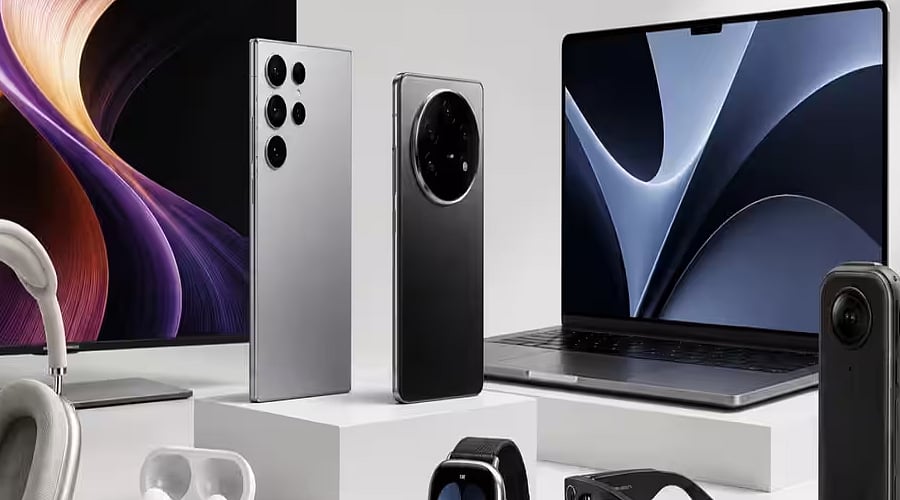
October 2026 Gadgets: A Factual Overview
On 7 October 2026, Somatirtha published a detailed article titled 7 New Gadgets to Watch Out for in October 2026, outlining the key releases expected in the month. The piece notes that October is traditionally a busy period for device launches, and the current cohort is set to emphasize artificial intelligence (AI), camera performance, processing speed, and battery longevity across multiple categories. The article serves as a snapshot of the industry’s direction, offering a clear picture of what consumers and businesses can anticipate in the coming weeks.
What Changed in October 2026?
October 2026 marks a shift toward deeper integration of AI across consumer electronics. While previous years saw incremental improvements in hardware, the current wave focuses on embedding AI directly into the device’s core functions. This includes on‑device neural processors in laptops, AI‑driven camera pipelines in smartphones, and predictive software in wearables. The emphasis on AI is paired with tangible hardware upgrades: faster processors, brighter displays, and extended battery life. These changes reflect a broader industry trend toward smarter, more efficient devices that can adapt to user behavior in real time.
Smartphones: AI‑First, Battery‑Optimized
Several smartphone manufacturers are slated to launch models that prioritize AI features. The new devices are expected to feature dedicated AI chips that accelerate image processing, voice recognition, and predictive text. Coupled with faster main processors, these phones aim to deliver smoother multitasking and improved gaming performance. Battery improvements are also a key selling point, with manufacturers targeting longer standby times and faster charging speeds. The combination of AI and battery efficiency is designed to meet the demands of power users who rely on their phones for work, entertainment, and communication.
AI Laptops: Smarter Productivity, Better Battery
AI laptops are a standout category for October 2026. These machines combine high‑performance CPUs with dedicated neural processing units (NPUs). The result is a suite of smarter productivity tools that can, for example, auto‑summarize documents, transcribe meetings, and optimize workflow layouts. Battery efficiency is also a focus, with manufacturers reporting up to 20% longer life on a single charge compared to previous models. The on‑device AI capability means that sensitive data can be processed locally, addressing privacy concerns that have grown in recent years.
Tablets: Brighter Screens, Faster Chipsets
Upcoming tablet releases are expected to feature brighter, higher‑resolution displays that improve readability in direct sunlight. Faster chipsets will support more demanding applications, from graphic design to augmented reality. Enhanced keyboards and stylus support are also on the agenda, making tablets a viable alternative to laptops for many professionals. AI‑powered productivity tools—such as real‑time translation and predictive note‑taking—are projected to become standard features, further blurring the line between tablet and laptop use cases.
Smartwatches: Software Intelligence and Extended Battery
Smartwatch models slated for October 2026 focus on smarter software ecosystems. Developers are integrating more advanced health‑tracking algorithms, enabling finer granularity in metrics like heart rate variability and sleep stages. Battery life improvements are also highlighted, with some models promising up to 48 hours of continuous use under typical conditions. Display upgrades—such as higher refresh rates and better color accuracy—enhance readability, while improved connectivity options (e.g., 5G and Wi‑Fi 6E) ensure seamless data sync across devices.
Wireless Earbuds and Headphones: Noise Cancellation and AI Audio
New audio accessories are expected to deliver superior active noise cancellation (ANC) and clearer microphones for voice calls. AI‑powered audio features—such as adaptive equalization that adjusts to ambient noise—are becoming a standard expectation. Battery life is also a key selling point, with manufacturers targeting up to 30 hours of playback on a single charge for earbuds and 20 hours for over‑the‑ear headphones. Seamless device connectivity, including automatic switching between paired devices, is another feature that enhances user convenience.
Gaming Gadgets: Handheld Consoles and Peripherals
October 2026 may see the arrival of handheld gaming consoles that boast faster displays and improved control responsiveness. Accessories such as high‑precision analog sticks and haptic feedback modules are also anticipated. These devices aim to deliver console‑quality gaming experiences on the go, with performance metrics that rival current handhelds. The focus on portability and user‑friendly controls reflects the growing demand for mobile gaming solutions that do not compromise on quality.
Smart Home Devices: AI‑Driven Automation
Smart home gadgets—including cameras, speakers, displays, and appliances—are expected to incorporate AI to simplify everyday tasks. AI algorithms will enable better interoperability between devices, allowing for more personalized automation routines. For example, a smart speaker might learn a user’s preferred music genre and adjust lighting accordingly. These devices also promise enhanced privacy controls, giving users more granular permission settings for data sharing.
Key Benefits for Consumers and Businesses
- Increased Efficiency: AI features streamline routine tasks, from email sorting to photo editing, saving time for both individuals and professionals.
- Improved Battery Life: Longer runtimes reduce the need for frequent charging, enhancing mobility and convenience.
- Enhanced User Experience: Brighter displays, better audio, and smoother controls contribute to a more engaging interaction with devices.
- Data Privacy: On‑device AI processing reduces reliance on cloud services, mitigating data exposure risks.
- Business Productivity: AI laptops and tablets can automate data analysis and reporting, freeing staff to focus on higher‑value tasks.
Risks and Limitations
While the new gadgets promise significant advantages, several limitations and risks remain:
- AI Accuracy: Machine learning models can still produce errors, especially in low‑light photography or noisy audio environments.
- Battery Trade‑Offs: Higher performance components may increase power draw, potentially offsetting battery life gains.
- Privacy Concerns: Even with on‑device processing, some data may still be transmitted to cloud services for updates or analytics.
- Cost: Advanced AI hardware and premium displays can drive up device prices, limiting accessibility for budget‑conscious consumers.
- Compatibility: New software features may not be fully supported across all operating systems or legacy devices.
Sector Impact
The October 2026 releases are poised to influence several industry sectors:
- Mobile Communications: AI‑enhanced smartphones could shift market share toward brands that deliver superior predictive capabilities.
- Enterprise IT: AI laptops and tablets may become standard tools for remote work, influencing procurement policies.
- Gaming: Handheld consoles with improved controls could capture a larger share of the portable gaming market.
- Health & Fitness: Smartwatches with advanced health metrics may attract users seeking comprehensive wellness monitoring.
- Home Automation: AI‑driven smart home devices could accelerate the adoption of connected living environments.
Business Implications
Companies across the tech supply chain stand to benefit from the October 2026 wave:
- Chipmakers: Demand for NPUs and AI accelerators is expected to rise, opening new revenue streams.
- Software Developers: The need for AI‑enabled applications will spur investment in machine learning frameworks and SDKs.
- Retailers: Early adopters of these gadgets can differentiate themselves through exclusive launch events and bundled offers.
- Service Providers: Cloud and edge computing services may see increased usage as devices offload heavy AI workloads.
Who May Be Affected?
Potentially impacted groups include:
- Power Users: Professionals who rely on high‑performance devices for multitasking and creative work.
- Health Enthusiasts: Individuals seeking detailed biometric data from wearables.
- Gamers: Players looking for portable, high‑quality gaming experiences.
- Homeowners: Consumers interested in AI‑driven home automation for convenience and energy savings.
- Privacy Advocates: Users concerned about data handling in AI‑enabled devices.
What to Watch Next
As October 2026 unfolds, several developments warrant close attention:
- Launch Dates: Confirming exact release dates will help consumers plan purchases.
- Software Updates: Early beta releases may reveal the true performance of AI features.
- Price Points: Monitoring pricing strategies will indicate how manufacturers position these devices in the market.
- Consumer Feedback: Early reviews can highlight real‑world performance and potential issues.
- Regulatory Actions: Any new privacy regulations could affect how AI data is handled.
Related Stories
- 7 New Gadgets to Watch Out for in October 2026 – Original source by Somatirtha.
- Amazon Great Indian Festival 2026: Best Travel Gadget Deals – Simran Mishra, 20 Oct 2026.
- AI Gadget Privacy Checklist: What to Check Before Buying an AI Device – Murali Teja, 15 Oct 2026.
- 10 Cool Smart Gadgets to Try in 2026 (Updated) – Antara, 02 Apr 2025.
- Apple Watch Gets Smarter Health Tracking with watchOS 27 – Simran Mishra, 10 Sep 2026.
FAQ
- What are the main AI features in the new smartphones? The upcoming models are expected to include dedicated AI chips that accelerate image processing, voice recognition, and predictive text, enhancing overall user experience.
- Will the new laptops offer better battery life? Yes, manufacturers report up to 20% longer battery life on a single charge compared to previous models, thanks to more efficient processors and on‑device AI.
- How do the new smartwatches improve fitness tracking? They incorporate advanced algorithms for heart rate variability and sleep stage analysis, providing more detailed health insights.
- Are the new earbuds compatible with all devices? They support seamless connectivity across devices, including automatic switching between paired devices, but compatibility may vary with older operating systems.
- Will the smart home gadgets use cloud services? While some features may rely on cloud connectivity for updates, many AI functions are processed locally to enhance privacy.