
What Changed
Enrollment in the construction management program at the University of Wisconsin-Platteville has experienced a massive surge, more than doubling over a seven-year period. According to institutional data, the program grew from 192 students to 391 students this semester. This represents an increase of nearly 104%. Furthermore, more than 100 first-year and transfer students joined the program this year alone, demonstrating sustained interest in the academic pathway.
This growth follows a strategic structural shift at the university. UW-Platteville officially launched its standalone bachelor’s degree in construction management in 2020. Before this milestone, construction management was offered merely as an emphasis within the institution’s broader industrial technology management degree. By establishing a dedicated program, the university created a distinct academic identity that has successfully drawn a growing cohort of students seeking specialized professional training.
Context and Background
The expansion of UW-Platteville construction management enrollment more than doubles typical historical baselines, reflecting both internal curricular changes and broader economic pressures. The university’s approach emphasizes practical, experiential learning alongside traditional academic instruction.
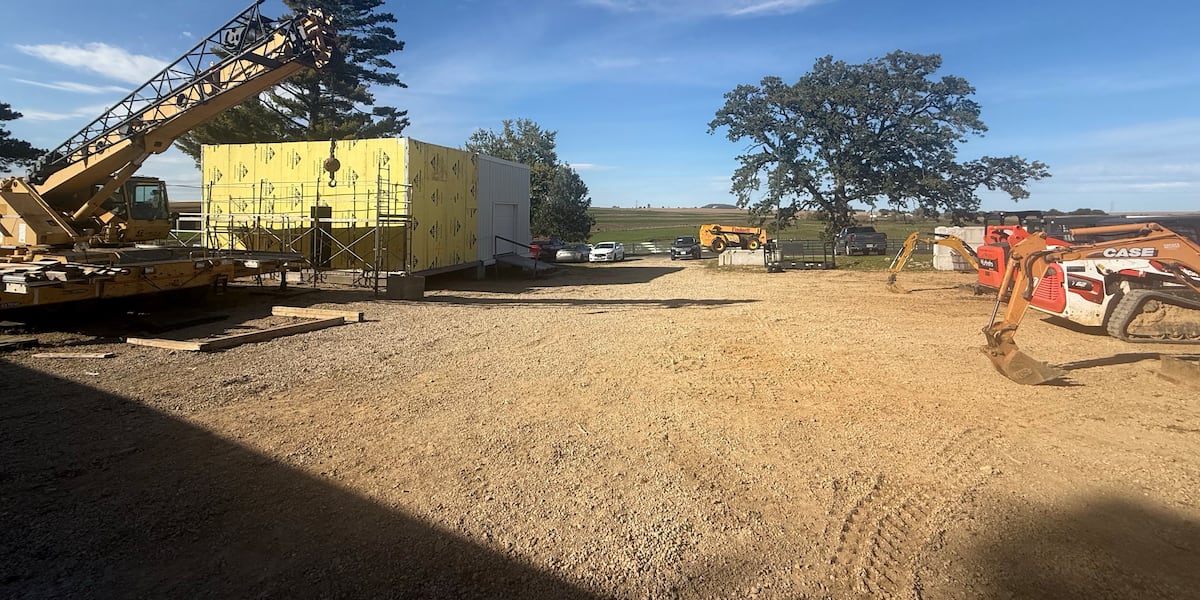
Students in the program gain critical, hands-on experience at the university’s dedicated construction lab. Within this learning environment, participants work directly on complex infrastructure projects, including building a two-story commercial structure and constructing a stretch of highway. Classroom lessons are directly applied on these simulated and real job sites, covering essential technical disciplines such as surveying, utility installation, on-site communication, and strict adherence to project deadlines.
Student feedback highlights the appeal of this curriculum. Kira Goldbach, a student in the program, noted the preference for practical application over passive learning: “I just like doing all hands-on and like really getting into it compared to just sitting in a classroom reading like notes or a lecture.”
Business Implications and Industry Demand
The academic expansion at UW-Platteville aligns closely with acute workforce shortages across the engineering and construction sectors. A November 2025 Deloitte report projected that the engineering and construction industry would need nearly half a million new workers in 2026 alone to keep up with persistent market demand.
To bridge the gap between education and employment, the program relies heavily on corporate partnerships. More than 100 companies actively recruit from UW-Platteville’s program, providing a steady pipeline of employment opportunities for graduating students.
Industry partners view the academic growth as a vital development for the sector. Maurie Mueller, a superintendent with JP Cullen, expressed strong support for the career path: “I’m not surprised at all… it’s actually really encouraging a career in construction is great it’s very rewarding.”
Program leadership emphasizes the collaborative nature of this success. Gretchen Bockenhauer, the program’s coordinator and an alumnus of the program, attributes part of the expansion to robust external support. “Being recognized by our industry partners is another one of those things that I love. It’s humbling in a way too because I actually am a graduate of this program myself and to see them support us in so many different ways, I think that’s a testament to what you see on this job site too,” Bockenhauer stated. According to Bockenhauer, support from industry partners has been instrumental in helping the program grow.
Sector Impact and Who May Be Affected
The rapid scaling of specialized academic programs like the one at UW-Platteville impacts several key stakeholders:
- Students: Enrolled individuals gain access to immersive laboratory settings, direct mentorship from industry professionals, and strong job placement pathways.
- Employers: Construction and engineering firms struggling to fill open roles gain access to a larger pool of pre-vetted, highly trained graduates who have practical experience with surveying, utility installation, and project management.
- Regional Institutions: The success of the standalone 2020 degree model serves as a potential blueprint for other regional universities looking to align their curriculum with workforce shortages.
Limitations and What to Watch Next
While the enrollment figures demonstrate substantial positive momentum, institutional growth introduces long-term operational questions. Maintaining low student-to-faculty ratios, ensuring adequate access to hands-on construction lab facilities, and sustaining corporate recruiting partnerships as cohorts expand will be critical challenges for university administrators.
Observers and prospective students should monitor whether other mid-sized universities adopt similar standalone degree models to address the broader half-million-worker labor shortage highlighted in the Deloitte projections. Additionally, tracking the post-graduation employment rates and starting salaries for the 391 currently enrolled students will provide further insight into the long-term economic value of the program.