
Britain’s Financial Conduct Authority (FCA) has permanently banned former HSBC banker Joseph Molloy from performing any regulated financial functions following a persistent, multi-month train fare evasion scheme. Molloy, who held certified functions at HSBC during the period of misconduct, evaded thousands of pounds in rail fares through a deliberate manipulative strategy on transport routes in South East England.
The regulatory enforcement action follows a criminal conviction at Inner London Crown Court, where Molloy admitted to fraud by false representation. According to regulatory records and court filings, Molloy’s actions involved extensive planning, fake digital identities, and hundreds of fraudulent rail journeys undertaken while receiving a professional salary in the financial services sector.
What Changed: FCA Ban and Regulatory Action
On October 1, 2026, the FCA issued a final notice formally prohibiting Molloy from performing “any function in relation to any regulated activity carried on by an authorized person, exempt person, or exempt professional firm.” This action finalized a decision notice originally issued by the regulator on August 3, 2026.
Under regulatory procedures, Molloy had a 28-day statutory window to appeal the FCA’s decision notice to the Upper Tribunal. Because Molloy did not lodge an appeal within the permitted timeframe, the prohibition order took effect on October 1, effectively barring him from working in regulated roles across the UK financial services industry.
The FCA stated that Molloy’s criminal conviction demonstrated a “clear and serious lack of honesty and integrity such that he is not fit and proper to perform regulated activities,” concluding that his conduct “fell below the standards of behavior expected by the Authority.”
Details of the Evasion Scheme and ‘Donutting’ Practice
Between October 2023 and September 2024, Molloy evaded £5,911 (approximately $7,800) in rail fares across at least 740 individual journeys. During the entire 11-month span of the fraud, Molloy maintained certified functions within the financial sector.
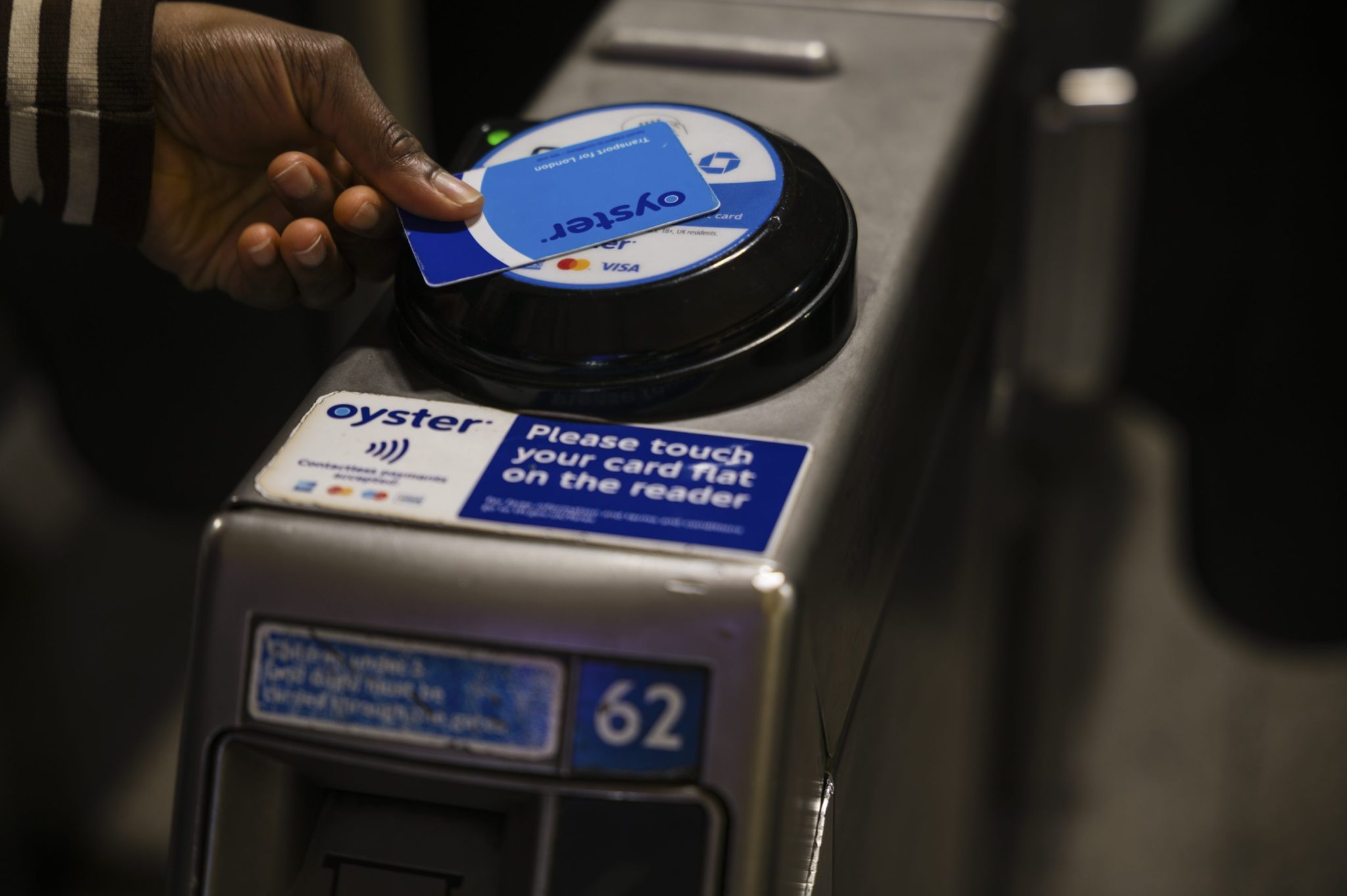
To execute the scheme, Molloy utilized a practice known in the transport sector as “donutting.” Under this method, a commuter purchases valid tickets or travel cards for short segments at the absolute start and end of their trip, leaving the larger middle portion of the journey completely unpaid. By tapping or validating valid tickets at entry and exit barriers, perpetrators bypass automated turnstiles while avoiding the full cost of the point-to-point transit.
To facilitate the purchase of these travel cards and evade detection, Molloy established two separate user accounts with SE Trains Limited (Southeastern). In setting up these accounts, he used fake names, fictitious residential addresses, and falsified email accounts.
Judicial Findings and Criminal Sentencing
In January 2026, Molloy appeared at Inner London Crown Court and pleaded guilty to fraud by false representation under the UK’s Fraud Act of 2006. On February 17, 2026, the court delivered its sentence.
Molloy was sentenced to a 10-month prison term, suspended for 18 months. In addition to the suspended custodial sentence, the court ordered:
- 80 hours of unpaid community work;
- 10 days of rehabilitation activity;
- A 12-month prohibition ban from travelling on or entering Southeastern services;
- £5,000 in direct financial compensation paid to SE Trains Limited;
- £150 in prosecution costs; and
- A £187 victim surcharge.
During the sentencing proceedings, the presiding judge emphasized that Molloy was “clearly in a financial position to pay the fares, you decided to evade them, and that causes a loss to the whole of society.” Characterizing the offense as “a sophisticated and determined fraud,” the judge added, “In my judgment, this is a high culpability… It is sophisticated, with considerable planning, conducted over a period of almost 12 months.”
Context: Transit Revenue Losses and Industry Evasion Metrics
Molloy’s case highlights broader concerns regarding revenue recovery across public transit networks in the UK capital and surrounding regions. Regional transport authorities have faced persistent financial leaks stemming from uncollected fares and ticket fraud.
Transport for London (TfL) estimated that 3.9% of total network journeys were unpaid during the 2023–24 fiscal year, representing an annual financial loss of £130 million (approximately $171.9 million). TfL has reported current evasion rates at 3.5%, setting an operational target to reduce fare evasion to 1.5% or lower by the 2030–31 period.
Additionally, research published by the Centre for Government Reform and reported by The Telegraph revealed a 5.03% fare evasion rate on the London Underground network alone across the first three quarters of the 2025–26 period. The report calculated the financial cost of Underground evasion during that timeframe at £141 million.
Institutional Responses and Regulatory Precedents
The regulatory mandate enforced by the FCA requires individuals holding certified or regulated functions to exhibit high personal integrity both within and outside their primary employment duties. Non-work-related criminal conduct—specifically involving dishonesty or financial deception—is routinely treated by financial regulators as grounds for disqualification under the “fit and proper” testing regime.
In reporting by Fortune journalist Catherina Gioino on October 9, 2026, HSBC did not respond to requests for comment regarding Molloy’s former employment or regulatory status. The FCA declined independent commentary beyond pointing to its published final notice.
Limitations and Unanswered Questions
While official regulatory documents confirm that Molloy held certified functions during the timeframe of the offense, specific details regarding his precise job title, division, or organizational seniority at HSBC remain unspecified in public court records and FCA documentation.
Furthermore, official filings do not detail the exact internal mechanism through which Southeastern or law enforcement officials initially uncovered Molloy’s dual fake accounts and travel patterns before filing formal criminal charges under the Fraud Act of 2006.
What to Watch Next
The enforcement outcome serves as a benchmark for financial institutions monitoring employee compliance under Senior Managers and Certification Regimes (SM&CR). Key factors to monitor include:
- Precedent Enforcement: How the FCA applies “fit and proper” standards to personal conduct offenses occurring outside corporate operations.
- Transport Fraud Technologies: Measures implemented by transport providers such as Southeastern and TfL to detect digital identity anomalies and irregular travel card validation methods.
- Corporate Disclosures: Potential institutional updates regarding background checks and continuous fitness assessments for certified function personnel in the banking sector.