
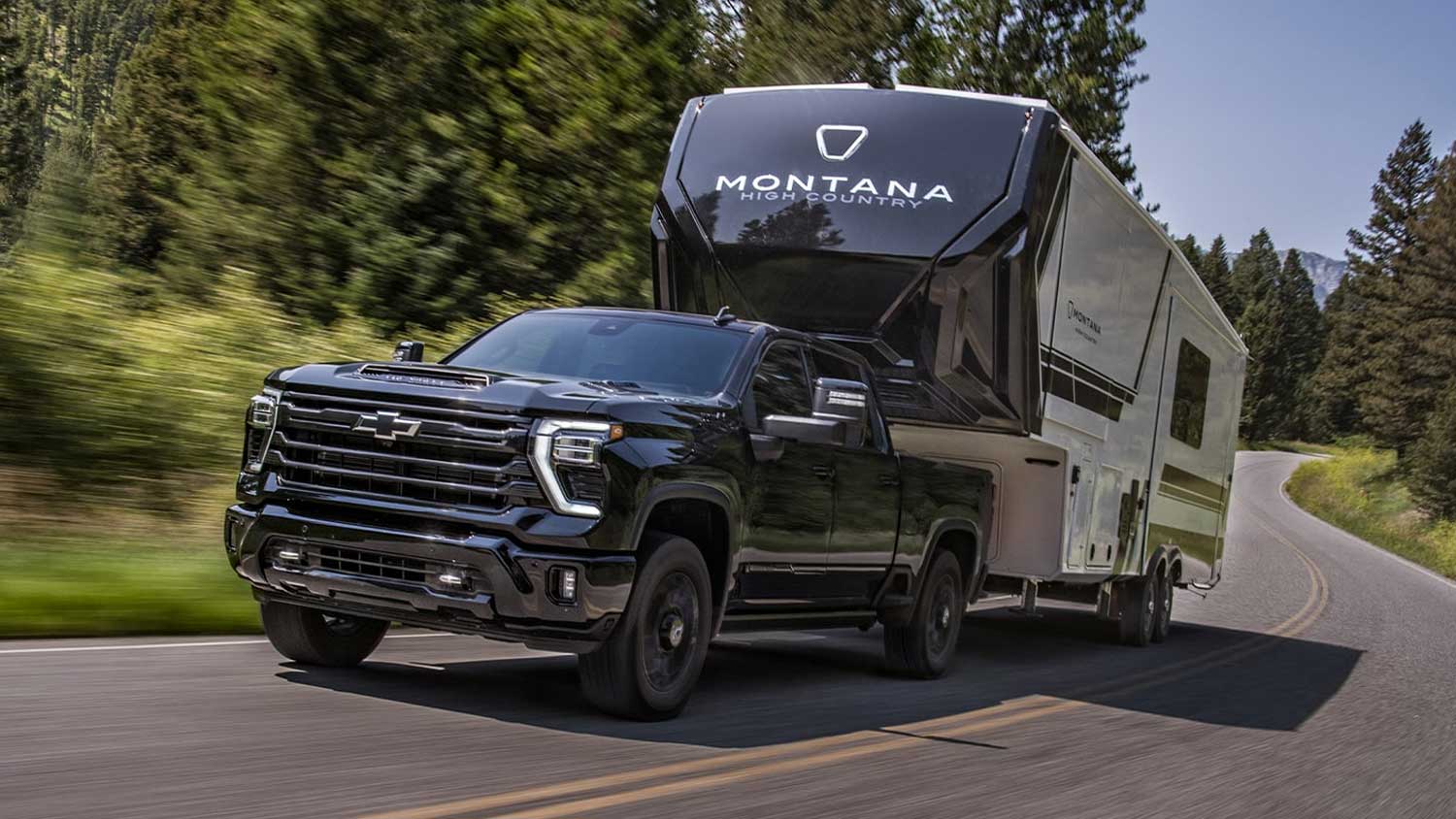
General Motors’ upcoming 8.3L L6P Duramax diesel powertrain is set to carry a higher price point than the outgoing L5P engine it replaces, according to reports from GM Authority. The price increase for the 8.3L L6P Duramax marks a key financial transition for commercial buyers, fleet operators, and heavy-duty truck customers evaluating upcoming vehicle acquisition budgets.
As General Motors prepares to update its heavy-duty engine offerings, the cost shift reflects broader manufacturing, technical, and economic dynamics involved in heavy-duty diesel development. Understanding the price comparison between the L5P baseline and the new L6P generation is essential for commercial operators analyzing overall cost structures and capital planning.
What Changed
The central development in GM’s heavy-duty engine transition is the higher pricing structure associated with the 8.3L L6P Duramax compared to the legacy L5P Duramax powertrain. Industry reporting confirms that customers opting for the newer 8.3-liter architecture will face a cost premium over the outgoing engine model.
While exact dollar differentials across every trim level and commercial order guide remain to be detailed, the price increase shifts the baseline expense for heavy-duty GM platforms equipped with the new L6P engine. Consequently, fleet managers and individual buyers looking to upgrade from L5P-equipped vehicles will need to account for higher option costs during vehicle specification.
Background and Context: Transitioning from L5P to L6P
The L5P Duramax engine has long served as GM’s flagship heavy-duty diesel powertrain, delivering substantial power and towing capability across commercial and retail truck lines. Generational transitions in heavy-duty engines typically involve redesigned block structures, revised fuel delivery hardware, enhanced thermal management systems, and upgraded emissions compliance features.
Moving from the established L5P platform to the 8.3-liter L6P displacement represents a major engineering step. Developing larger-displacement powertrains requires significant capital investment in tooling, structural casting, component reinforcement, and testing infrastructure. These engineering and production overheads naturally influence final retail and fleet pricing.
Business and Fleet Implications
For commercial logistics, construction, and fleet operations, powertrain option pricing plays a critical role in long-term fleet budgeting and equipment lifecycle management.
Acquisition Costs vs. Total Cost of Ownership
An increased initial option cost for the 8.3L L6P Duramax directly raises the upfront purchase price of new heavy-duty trucks. Fleet operators must evaluate this higher initial expenditure against projected gains in operational efficiency, component longevity, and resale value retention over the vehicle’s service life.
Commercial Fleet Budgeting
Commercial fleets operating on fixed capital allocation schedules may need to adjust acquisition timelines or overall unit ordering volumes. The higher cost of the L6P powertrain could lead some operators to extend the service life of existing L5P-powered units or re-evaluate trim level configurations across their fleets.
Secondary Market Dynamics
As new L6P-equipped vehicles enter the market at higher price points, existing L5P-powered trucks in the secondary market may see shifted demand patterns. Buyers seeking lower upfront entry costs may continue to prioritize late-model L5P inventory, impacting depreciation rates and residual value trajectories.
Technical and Manufacturing Context
Engineering an 8.3-liter heavy-duty diesel engine involves material and manufacturing considerations that directly contribute to unit cost structures:
- Material Content: Expanding engine displacement to 8.3 liters requires larger block castings, heavier-duty rotating assemblies, and specialized alloys designed to withstand commercial duty cycles.
- Production Retooling: Transitioning manufacturing lines from the L5P architecture to the L6P requires substantial retooling and assembly line adjustments, costs that are amortized into vehicle pricing.
- Emissions and Control Systems: Modern heavy-duty engines require advanced hardware, sensors, and exhaust aftertreatment integration to meet evolving commercial emissions standards.
Sector Impact Across Heavy-Duty Operations
Several commercial sectors rely heavily on GM’s heavy-duty platform and will be directly impacted by the price adjustment:
- Commercial Freight and Towing: Transport companies operating heavy trailer setups will need to factor higher powertrain acquisition costs into per-mile equipment metrics.
- Construction and Utilities: Vocational fleets that require robust diesel power for field equipment and hauling will see elevated equipment capitalization costs.
- Independent Owner-Operators: Small business owners and single-truck operators face higher initial capital barriers when upgrading from older diesel hardware to the current-generation L6P platform.
Risks, Limitations, and Uncertainties
While the core reporting establishes that the 8.3L L6P Duramax will cost more than the outgoing L5P, several operational variables remain unconfirmed:
- Final Option Pricing: Detailed invoice pricing and standard versus optional packaging breakdowns across commercial trims have not been fully published.
- Performance Specifications: Specific horsepower, torque output curves, fuel consumption figures, and service intervals remain subject to final official release.
- Reporting Source: Information regarding the price increase is based on industry reporting by GM Authority, and finalized fleet ordering guides will confirm precise figures across all regional markets.
What to Watch Next
Industry stakeholders should monitor several key milestones as GM progresses with the L6P Duramax roll-out:
- Official Retail and Fleet Order Guides: Document releases will clarify the exact price delta between L5P and L6P vehicle builds.
- Commercial Incentive Programs: GM Fleet updates may outline specific package pricing, volume discounts, or commercial leasing terms to mitigate acquisition cost increases.
- Operational Cost Benchmark Analysis: Real-world fleet testing will allow operators to verify whether performance and efficiency gains offset the higher initial purchase price.