
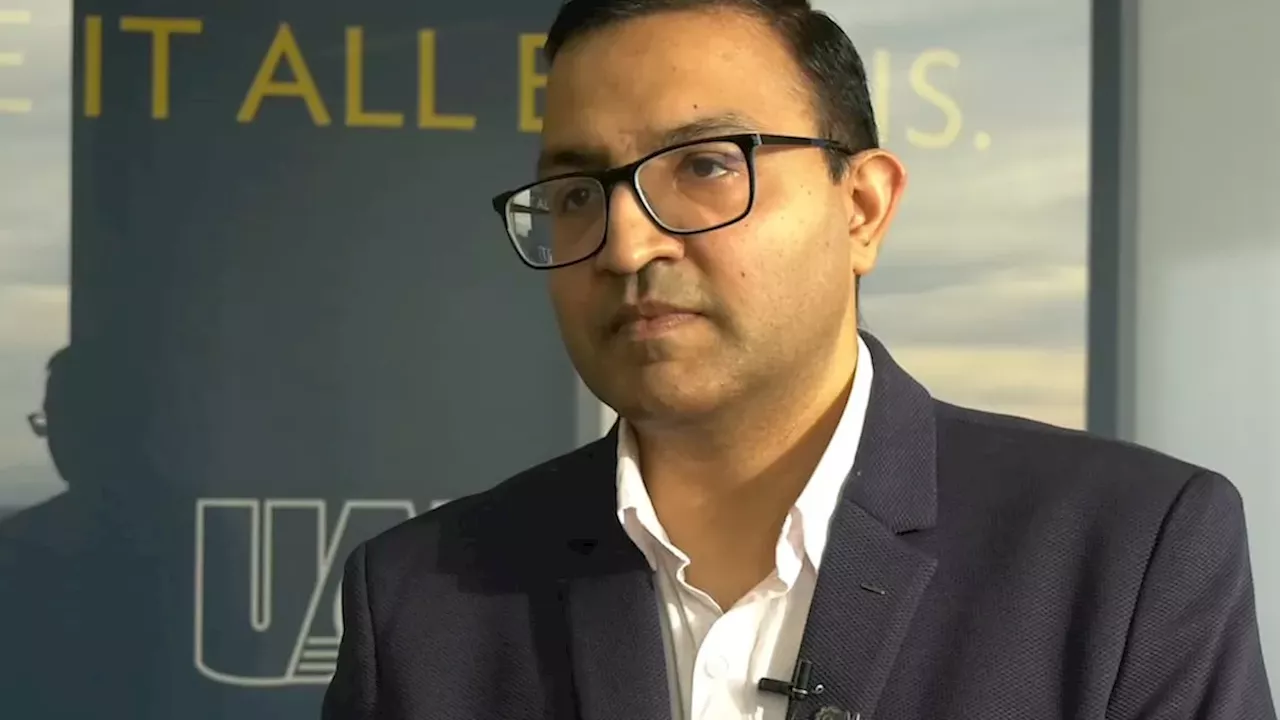
Researchers at the University of Alaska Fairbanks are pioneering a novel approach to coal waste extraction, combining microscopic organisms and artificial intelligence to harvest critical minerals from legacy mining refuse. Supported by a $6 million project funded by the National Science Foundation, the research effort aims to transform environmental liabilities into valuable national resources without relying on conventional, heavily industrial processing methods.
What Changed
The University of Alaska Fairbanks (UAF) initiative marks a significant strategic pivot in how legacy energy residue is processed. Rather than relying on heavy machinery or harsh chemical solvents that have traditionally defined mineral recovery, the UAF research team is deploying biological and digital tools. Microscopic organisms are applied directly to bind with valuable minerals embedded within coal dust and ash piles across Alaska. Simultaneously, machine learning models analyze structural and material data to predict which waste deposits hold the highest yield potential and to fine-tune the environmental conditions required for optimal biological harvesting.
Context: Legacy Refuse in Alaska
Decades of coal use and mining across Alaska have accumulated substantial quantities of coal waste, primarily stored in extensive piles of dust and ash. Historically viewed strictly as environmental management burdens, these accumulated materials are now recognized by UAF researchers as an untapped resource. The vast accumulation of byproduct from years of energy production contains trace critical minerals that are vital to modern technology and industrial manufacturing, yet traditional extraction from such low-concentration deposits was previously considered economically and environmentally unfeasible.
Why It Matters
Critical minerals are fundamental components in modern technology, high-tech manufacturing, energy infrastructure, and advanced electronics. Traditional supply chains for these minerals often rely heavily on intensive primary mining, extensive earthmoving equipment, and aggressive chemical processing. By shifting toward biological extraction powered by predictive artificial intelligence, the UAF project introduces an innovative paradigm. Extracting critical minerals from existing waste streams addresses two major priorities at once: retrieving essential raw materials for technological supply chains while mitigating the physical footprint of industrial legacy sites.
Technical Explanation: Microorganisms and AI Optimization
The technological core of the UAF project rests on a dual approach integrating biotechnology and computer science:
- Biological Mineral Binding: Instead of applying heavy industrial machinery or toxic chemical reagents to dissolve host rock, microscopic organisms are introduced to interact with the coal waste. These microorganisms possess biological properties that allow them to selectively bind to valuable mineral compounds present within the dust and ash matrices. This biological process allows for delicate separation at the microscopic level, reducing the operational need for aggressive chemical processing.
- AI Yield Prediction and Process Optimization: Machine learning algorithms serve as the directive intelligence for the extraction pipeline. AI models are trained to evaluate varying compositions of coal dust and ash, predicting which specific waste piles offer the highest yield of critical minerals. Beyond identification, artificial intelligence is utilized to optimize harvesting conditions, modeling variables such as temperature, biological density, moisture, and exposure time to maximize the efficiency of biological mineral binding.
Business Implications and Sector Impact
The business implications of biological coal waste extraction are significant for both the energy sector and critical mineral supply chains:
- Sustainable Resource Recovery: Energy producers and mining legacy operations face long-term land management obligations. Converting accumulated coal ash and dust into a revenue-generating source of critical minerals changes the financial calculus surrounding legacy site management.
- Supply Chain Diversification: Securing domestic streams of critical minerals from secondary source materials like coal waste helps build resilient supply chains for technology manufacturers.
- Cost and Infrastructure Efficiency: Replacing capital-intensive heavy machinery and hazardous chemical processing facilities with biological agents and predictive software tools could substantially lower capital expenditure requirements for non-traditional mining ventures.
Limitations and Uncertainties
While the project presents a promising technical framework, several key scientific and operational boundaries exist based on current research data:
- Unspecified Microorganism Species: The current project data does not specify the exact species or strains of microscopic organisms being utilized in the extraction experiments. Biological performance can vary widely depending on organism viability, environmental tolerance, and metabolic stability outside controlled laboratory environments.
- Unspecified Mineral Targets: The research documentation does not identify the specific critical minerals being extracted from the Alaskan coal waste piles. Economic viability depends directly on the market value and concentration of the exact minerals retrieved.
- Scalability to Industrial Volumes: Translating AI models and biological binding processes from research settings to massive commercial coal ash deposits involves unproven engineering challenges, including environmental control over large open-air waste sites.
Attribution and Project Support
This initiative is led by research teams at the University of Alaska Fairbanks (UAF) and supported by a $6 million project award from the National Science Foundation (NSF), as initially reported by regional news outlets including AKNewsNow. Researchers at UAF emphasize that Alaska’s widespread coal waste represents an untapped economic and technological resource as research continues.
What to Watch Next
Key milestones to monitor as the UAF initiative progresses include:
- Identification of specific targeted critical minerals recovered during biological testing.
- Field data validating the accuracy of AI models in predicting high-yield coal waste deposits.
- Operational metrics demonstrating the efficiency and cost-effectiveness of microscopic biological binding at scale.