
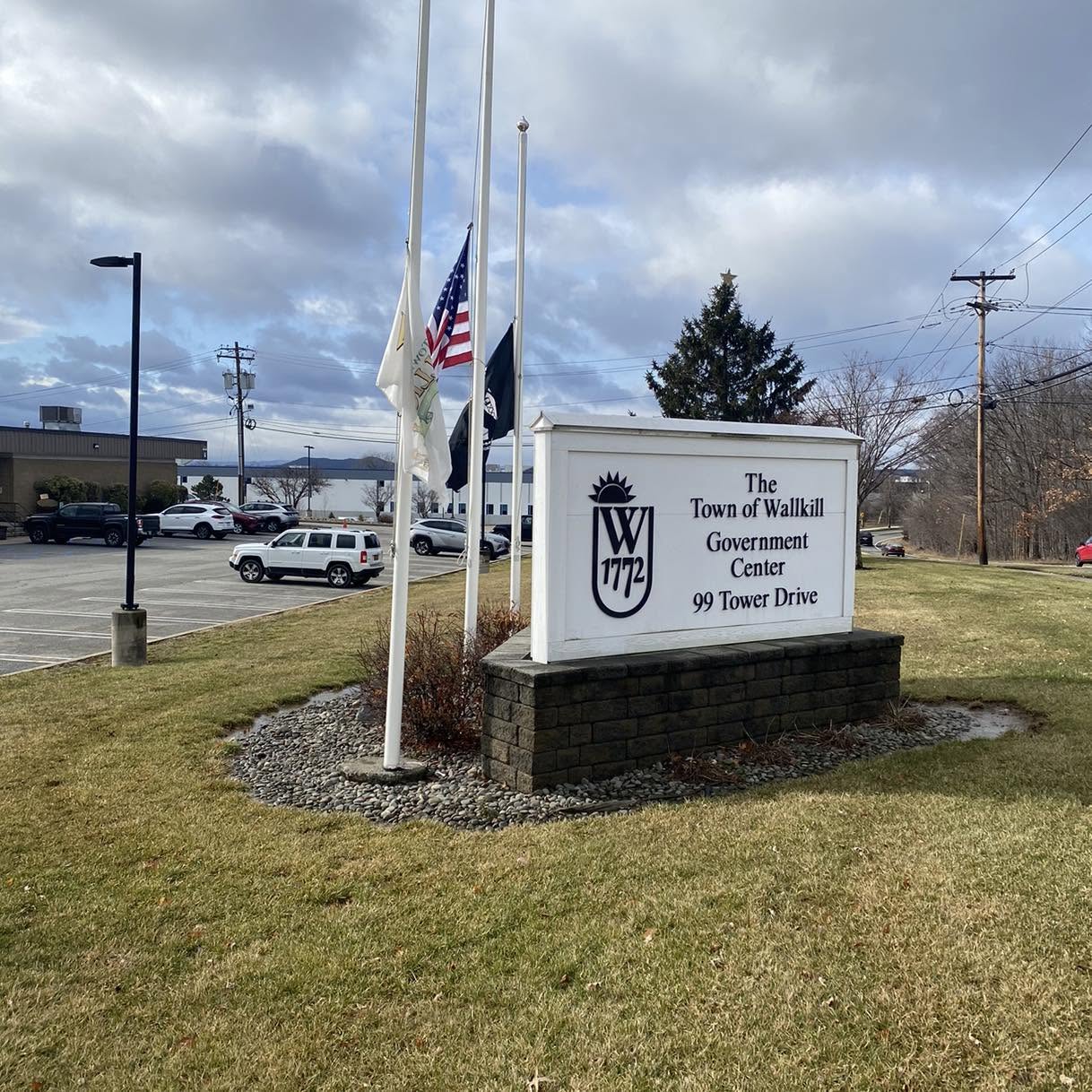
A Hudson Valley community facing massive property tax increase could see levies spike by 64% to generate enough revenue to stay solvent after a severe financial crisis. The Town of Wallkill, located in Orange County, is grappling with a severe budgetary shortfall stemming from years of improper fund management and inaccurate accounting records. According to local officials and state oversight reports, the municipality’s financial instability has left local leadership scrambling for emergency solutions.
What Changed
The financial crisis came to a head when the town’s internal operations reached a breaking point. In January, the accounting department flagged an alarming reality to town leadership: the Town of Wallkill had entirely run out of funds required to make regular payroll.
Town Supervisor Frank DenDanto publicly addressed the depth of the crisis, noting that the town board was well aware the municipality had been mismanaging its funds for years. DenDanto detailed that the fiscal mismanagement included expenditures and funds that were authorized without proper approval and adequate supervision.
Furthermore, DenDanto asserted that previous financial representations severely misrepresented reality. According to his statements, officials had previously presented town costs inaccurately, stating, “They fraudulently put forward that the cost of the town was $43 million when in fact, the actual cost of the town was $54 million.”
Context and State Findings
The local revelations are backed by independent government oversight. A recent report from the New York state comptroller evaluated the municipality’s books and concluded that the town “did not have complete, accurate and current accounting and financial records.”
These systemic record-keeping failures obscured the true cost of local governance from residents and incoming leaders. Without transparent, up-to-date accounting, problems compounded over multiple budget cycles until the town exhausted its liquid capital, threatening daily administrative functions and public services across the local jurisdiction.
Why It Matters
The immediate consequence of these financial discrepancies is a staggering burden on local property owners. To generate the revenue necessary to keep the town solvent, officials report that the municipality could face a 64% property tax increase. For residents and local businesses in Orange County, a tax hike of this magnitude threatens to severely impact household budgets and commercial operational costs, highlighting the critical importance of transparent municipal governance and rigorous internal controls.
Business Implications and State Aid
To avert the most catastrophic impacts of the tax hike, state lawmakers intervened to secure $4 million in one-time state aid. However, this financial rescue remains conditional and time-sensitive.
According to reports, the town will not be able to finish off the year successfully if the Ways and Means committee does not deliver that pledged $4 million in time. This dependency on external legislative action highlights the precarious nature of the town’s current financial position and underscores the broader economic challenges facing underfunded municipal entities within the region.
Limitations and Uncertainties
Significant uncertainties remain regarding whether the town can execute a sustainable recovery. Chief among these is whether the Ways and Means committee will disburse the $4 million in one-time state aid quickly enough for the town to close its current fiscal gaps.
Even with state intervention, the structural issues identified by the New York state comptroller—such as the lack of complete, accurate, and current accounting records—point to deep-seated operational challenges that will require rigorous oversight to resolve permanently. Without comprehensive institutional reforms, local stakeholders caution that underlying vulnerabilities could persist.
What to Watch Next
Stakeholders and residents should monitor upcoming decisions from the Ways and Means committee regarding the $4 million aid package. Additionally, town leadership faces intense scrutiny over whether internal financial controls, approval processes, and supervision will be sufficiently reformed to prevent future budget crises and restore public trust in local fiscal management.