
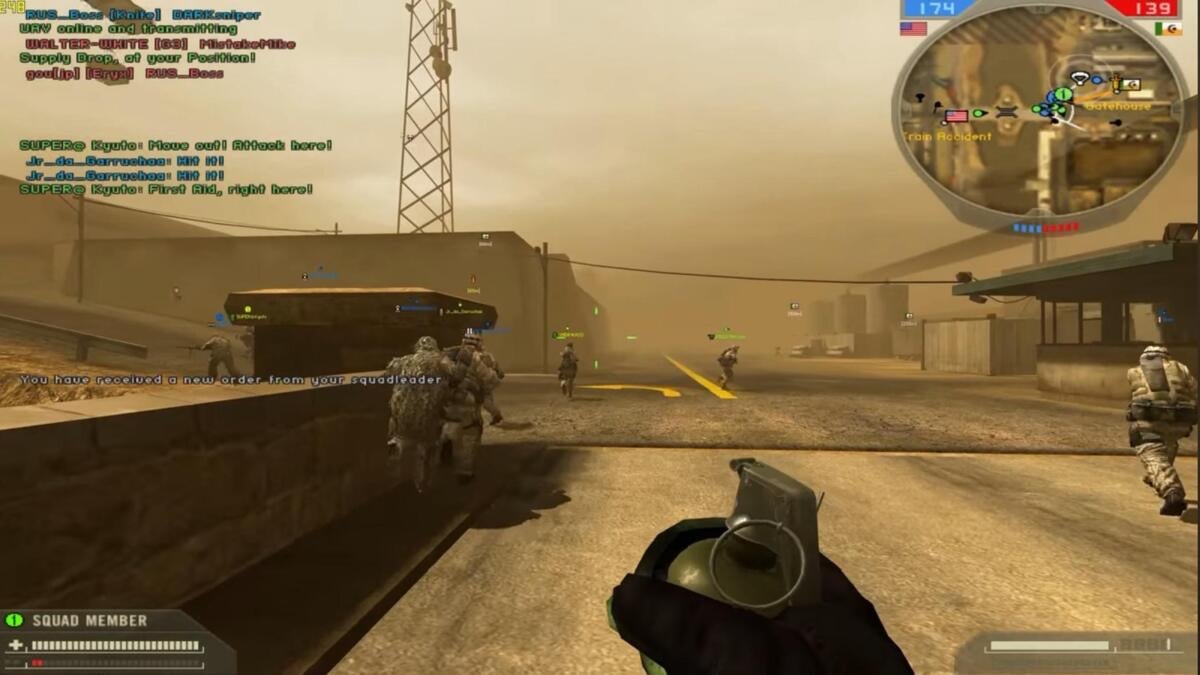
An open-source reconstruction project led by developer LifeCoder is bringing Battlefield 2 back into the spotlight with working multiplayer capabilities and support for modern operating systems. Battlefield 2 is getting an unofficial open-source revival with working multiplayer after approximately eight years of independent development. Originally released by EA and DICE in 2005, the classic tactical shooter lost its official multiplayer functionality when EA shut down its servers in 2014 alongside other titles powered by GameSpy. While fan-run master servers like BF2Hub have successfully kept community multiplayer alive over the years, this new open-source reconstruction aims to provide a comprehensive, long-term foundation for the game by targeting modern systems, including Linux and macOS.
What Changed
After spending about eight years on the project, developer LifeCoder has advanced the open-source Battlefield 2 reconstruction to the point where a public release is approaching. The effort centers on rebuilding core components to serve as a drop-in replacement where all pieces remain interchangeable with original versions. According to recent demonstrations, the initiative features functional multiplayer capabilities and aims to provide broad compatibility for original clients, servers, and modifications. A demonstration video showcased an original retail Battlefield 2 client connecting directly to the newly built server through a BF2Hub account.
The technical architecture of the revival project divides labor between client and server modules. The dedicated server component is complete and can be successfully compiled as a 64-bit Windows application. Meanwhile, the client application is currently 32-bit, and map support remains incomplete. When the project officially launches, the source code is planned to be published on GitHub under the GPLv3 license. Alongside the source code, downloadable builds will be provided featuring an automatic update system to streamline maintenance for players and server administrators.
Technical and Business Explanation
Reconstructing a legacy title like Battlefield 2 involves untangling decades-old codebases, proprietary networking layers, and client-server dependencies. GameSpy’s 2014 shutdown forced many classic titles into obsolescence or forced communities to engineer custom master servers. The current revival sidesteps these traditional architectural boundaries by engineering an open-source framework designed to interoperate with original assets and clients.
Compatibility testing has already yielded functional results. Notably, the Special Forces expansion and mod has been named as a modification that works out of the box with the reconstructed client. However, certain underlying security and verification systems require complete redesigns. For instance, PunkBuster is disabled in the current implementation, and replacement anti-cheat measures are actively planned before the software reaches its final maturity. Furthermore, the GitHub repository remains private while the developer actively addresses remaining security exploits.
Context and Historical Background
Battlefield 2 launched in 2005 under the joint banner of publisher EA and developer DICE, setting a high water mark for large-scale modern military multiplayer tactical combat. The title relied heavily on GameSpy technology for its matchmaking and server browsing infrastructure. When GameSpy terminated its services in 2014, EA chose to shut down official multiplayer servers for Battlefield 2 rather than migrate the infrastructure to a new backend.
In the absence of official support, the community stepped in. Services like BF2Hub emerged to keep multiplayer alive by functioning as fan-run master servers that redirected client authentication and server lists. This new open-source revival builds upon the perseverance of these long-standing community efforts, offering a more permanent, code-level solution to ensure the game remains playable on contemporary computing hardware.
Sector Impact and Implications
Fan-led software preservation projects play a critical role in combating digital obsolescence, particularly for games tied to defunct online services like GameSpy. By transitioning the core server architecture to open-source software under the GPLv3 license, the project provides transparency and community ownership that commercial publishers rarely offer for legacy catalogues.
For players, the ability to run dedicated servers on modern architectures and leverage operating systems beyond legacy Windows installations expands accessibility. The inclusion of Linux and macOS support opens doors for enthusiasts who have migrated away from Windows or who utilize alternative computing environments. Additionally, drop-in compatibility with original retail clients and mods ensures that existing asset libraries are not left behind.
Risks, Limitations, and Known Challenges
Despite significant progress, the project carries several technical limitations and unresolved operational details:
- Incomplete Features: The client is currently limited to 32-bit architecture, and map support is still incomplete.
- Security and Anti-Cheat: PunkBuster is disabled in the current implementation, necessitating the development of replacement anti-cheat measures. The repository is kept private while security exploits are addressed.
- Uncertain Infrastructure Arrangements: Exact operational arrangements for how the project will integrate with BF2Hub’s existing servers have not been fully detailed.
- Hardware and Hosting Specifications: No specific CPU, memory, network, or hosting requirements have been published for the new server builds.
- Mod Compatibility: Beyond Special Forces, no other tested mods have been officially identified as fully compatible.
- Release Schedule: No public release date has been officially announced by the developer.
What to Watch Next
As the project prepares for its eventual public debut, observers should monitor the GitHub repository for the publication of the source code under the GPLv3 license and the availability of downloadable builds with the automated update system. Key developments to track include the expansion of map support, the implementation of modern anti-cheat solutions to replace PunkBuster, and clarification on how the server architecture will interact with existing community master servers like BF2Hub.