
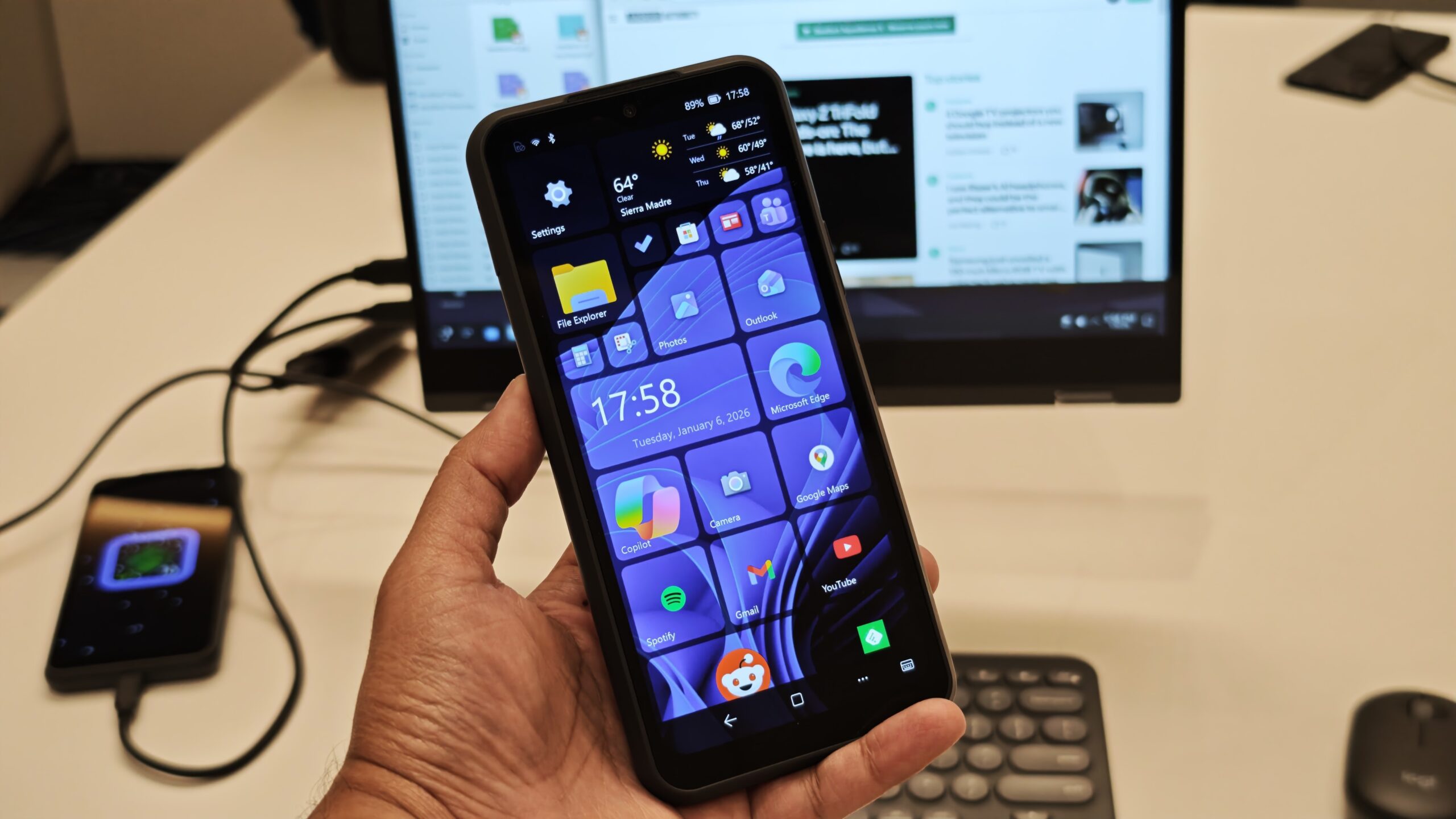
The ambitious multi-operating system mobile hardware project known as the NexPhone has officially encountered a significant scheduling roadblock. According to recent project updates reported by technology journalists including Hadlee Simons and Stephen Schenck at Android Authority, the NexPhone release has been delayed from its initial November 2026 window to the end of Q1 2027, specifically targeting March 2027. This postponement pushes the anticipated delivery timeline back by at least four months for early supporters and preorder customers.
What Changed in the NexPhone Roadmap
The most prominent change to the project trajectory is the rescheduled shipping timeline. The development team is now formally targeting shipments to preorder customers for the end of Q1 2027, which translates to March 2027. Beyond the hardware delivery schedule, the software stack backing the mobile device has also evolved during the development cycle. Software support has been updated to run Android 17, moving past the previously anticipated Android 16 platform.
In tandem with the base Android platform upgrade, the development team has introduced substantial desktop mode enhancements designed to improve productivity. These updates incorporate files and folders directly onto the desktop interface, the inclusion of a functional recycle bin, and an upgraded file drawer featuring a dual-pane view explicitly designed to handle source and destination folders efficiently.
Technical and Hardware Revisions
The four-month delay is not merely a software adjustment or a minor polish phase. Substantial hardware and engineering challenges have necessitated deep structural changes. The NexPhone team has attributed the postponement directly to antenna interference issues. Resolving these radio frequency and signal conflicts has required extensive hardware changes, antenna-board revisions, the fabrication of entirely new prototypes, and various build quality tweaks across the chassis.
Concurrently, the engineering squad continues to build out its multi-OS capabilities. The mobile device is architected to support Android, Windows 11, and Debian Linux via Android. Current technical work involves writing and optimizing custom drivers for Windows while simultaneously refining the implementation of Debian Linux running inside the Android environment.
Business Implications and Market Pressures
Beyond the engineering hurdles inside the laboratory, the project faces severe external economic headwinds. Rising memory component costs resulting from an industry-wide RAM crisis are actively increasing overall production expenses. Project disclosures indicate that AI companies have bought up massive amounts of memory supplies, resulting in a broader industry shortage and skyrocketing RAM costs.
These macroeconomic factors directly influence the device’s retail positioning and financial planning. The final retail price, or MSRP, is expected to be higher than the current $599 preorder price. However, current preorders remain locked at either $549 or $599. Furthermore, new preorders placed at the $599 price point will receive official price protection from the expected retail price increase.
Who May Be Affected
Preorder customers stand as the primary demographic affected by this schedule shift, facing a wait that is at least four months longer than initially estimated when the device was planned for November 2026. Early technology enthusiasts, developers, and consumers tracking multi-OS convergence mobile hardware will need to adjust their expectations as the engineering team builds and tests new antenna prototypes through early 2027.
Risks and Limitations
While price protection safeguards early buyers who locked in rates at $549 or $599, broader market uncertainties remain entirely fluid. The final MSRP has not been permanently fixed and will only be announced once production costs are fully confirmed by suppliers. Furthermore, integrating Windows 11 and Debian Linux natively through an Android framework involves exceptionally complex driver development and hardware optimization, leaving technical execution as a key variable to monitor as the new release window approaches.
What to Watch Next
As the project progresses toward the revised March 2027 shipping window, observers should monitor updates regarding the physical antenna-board revisions and the stability of the new Android 17 operating system build. Additional official announcements are expected regarding final manufacturing expenses and the ultimate retail pricing structure once the updated hardware prototypes clear validation testing.