
Executive Summary and Market Lead
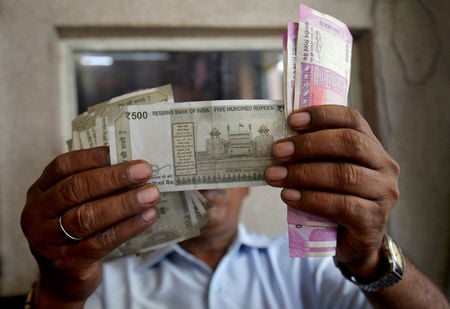
Asian foreign exchange trading presented a dual dynamic across regional currency pairs. Broad Asia FX rates remained steady overall even as the US dollar maintained its position near an 18-month high against global benchmarks. At the same time, the Indian rupee registered a noticeable jump following targeted currency measures introduced by the Reserve Bank of India (RBI). This environment highlights the ongoing interplay between persistent global dollar strength and proactive regional monetary interventions.
Market participants across financial capitals continuously analyze how external dollar valuations interact with local central bank policies. While global headwinds typically challenge emerging market currencies, targeted policy steps can decouple specific regional units from broader downward pressure. Understanding this dynamic requires examining both the macro environment defined by the US dollar and the specific actions undertaken by national monetary authorities.
What Changed Across Asian Foreign Exchange Markets
Stability in Regional Currency Pairs
Broader Asian foreign exchange markets demonstrated resilience during the reporting window, maintaining steady valuation levels across major regional trading pairs. This relative stability signals that regional spot markets digested ongoing global economic pressures without experiencing immediate systemic volatility across every Asian currency unit. Traders and corporate treasurers monitoring the broader macroeconomic landscape noted that baseline trading ranges remained intact despite external liquidity shifts.
The US Dollar’s 18-Month High Benchmark
The US dollar maintained strong trading ground, holding firm near an 18-month high against international currencies. A persistently strong dollar typically exerts downward pressure on emerging market foreign exchange rates by increasing the relative cost of dollar-denominated imports, corporate debt servicing, and energy purchases. Despite this extended dollar strength, most Asian currencies held their ground during the session rather than succumbing to widespread depreciation.
Reserve Bank of India Measures Trigger Rupee Gain
Mechanics of the Indian Rupee Jump
In contrast to the steady baseline observed across wider Asian currencies, the Indian rupee experienced a sharp upward movement during the session. The currency jumped directly following administrative, liquidity, or regulatory measures implemented by India’s central bank. This notable divergence underscores how localized policy interventions can temporarily override global currency headwinds.
Role of the Reserve Bank of India (RBI)
The Reserve Bank of India (RBI) routinely deploys monetary policy adjustments, direct foreign currency interventions, or regulatory guidance to reduce excessive volatility and cushion the Indian rupee against aggressive external shocks. Central bank interventions of this nature aim to ensure orderly market functioning, manage domestic liquidity conditions, and maintain investor confidence during broader macroeconomic uncertainty.
Economic and Treasury Implications for Businesses
Managing Foreign Exchange Risk Amid Dollar Strength
For corporate treasuries, importers, and multinational businesses operating across Asian markets, an extended high for the US dollar presents ongoing foreign exchange management challenges. Treasuries operating within the region must carefully balance dollar-denominated liability costs against local currency revenue streams. Hedging strategies often become more critical and expensive when major reserve currencies sustain multi-month valuation highs.
Impact on Regional Trade and Capital Flows
Relative stability across broad Asian currencies helps provide price predictability for regional trade contracts and supply chain budgeting. Meanwhile, decisive intervention by monetary authorities such as the RBI signals active policy backing, which can rapidly alter currency hedging calculations, short-term capital flow expectations, and speculative positioning for institutional market participants.
Data Limitations and Source Disclosures
Unavailable Market Metrics and Policy Specifics
Financial market reporting on these currency shifts contains specific analytical limits due to available source material. Detailed body content was not provided in original market reports, leaving specific RBI policy mechanisms, exact interest rate or liquidity adjustments, precise rupee valuation levels, and trading volume statistics unconfirmed. Analysts and market participants must await official policy statements and central bank balance sheet disclosures to verify the exact scope and technical design of the RBI’s market operations.
What to Watch Next in Regional Currency Markets
Financial market observers will continue watching whether broader Asian currencies can maintain steady valuation levels if the US dollar persists near its 18-month high. Furthermore, market participants are monitoring subsequent operational updates, official press statements, and policy circulars from the Reserve Bank of India to assess the lasting impact of its policy intervention on the rupee’s trajectory and domestic liquidity conditions.