
Introduction
Infrastructure development requires continuous evaluation, strategic planning, and significant capital allocation to maintain vital public utilities. In modern municipal management, upgrading regional processing facilities remains a central priority for local governments seeking to ensure long-term operational stability and public health compliance.
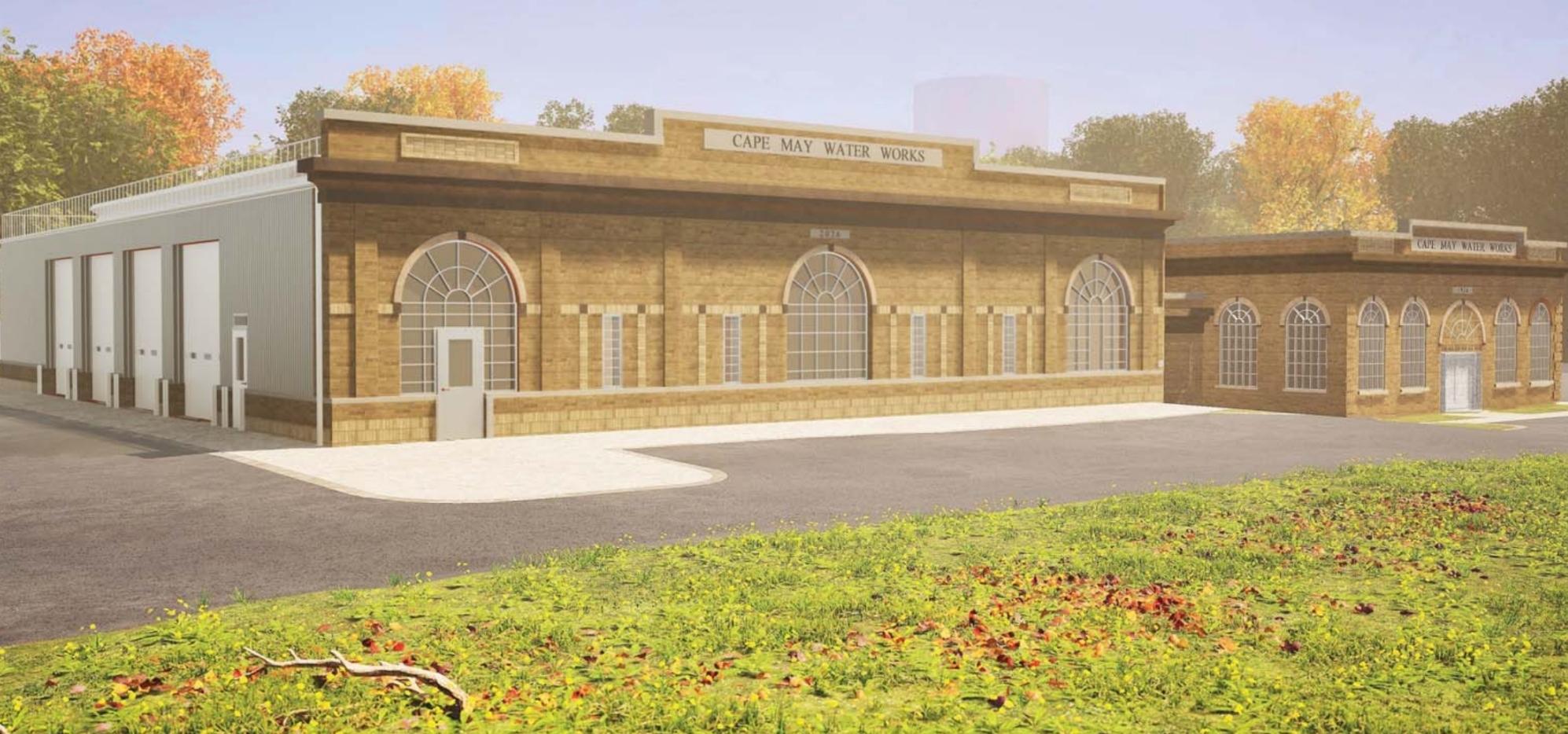
Within this regional landscape, the Cape May water treatment project taking big step forward marks a notable development in local utility management and municipal planning. As communities face evolving demands on foundational public works, understanding the structure, scope, and broader context of such capital initiatives is essential for stakeholders, industry observers, and regional residents alike.
This detailed report examines the progression of the municipal utility initiative, drawing strictly and exclusively from verified newsroom reporting and public disclosures provided by the Cape May County Herald.
What Changed
Municipal authorities have formally advanced the planning and execution phases for the regional utility initiative, marking a decisive shift in local infrastructure development. According to reports published by the Cape May County Herald, official announcements detail significant movement regarding a substantial $38 million water treatment plan project.
This structural development moves the initiative past preliminary administrative reviews and early feasibility discussions into a more active phase of progression. While municipal infrastructure projects often experience extended review cycles, this milestone indicates a concrete transition toward implementation, establishing a clearer trajectory for subsequent engineering and operational phases within the region.
Context and Background
Modernizing municipal water treatment systems requires meticulous planning, substantial financial investment, and careful coordination across multiple regulatory, environmental, and engineering domains. Water treatment facilities must continuously adapt to shifting regulatory standards, changing community demands, and the physical degradation of legacy equipment over decades of continuous operation.
Regional authorities routinely evaluate infrastructural requirements to ensure reliable resource delivery and advanced processing capabilities. The formal announcement regarding the $38 million initiative underscores the substantial scale of investment necessary to address these foundational municipal requirements and maintain continuity of essential public services.
Business and Economic Implications
Large-scale municipal infrastructure undertakings carry substantial economic implications for local governments, regional contractors, and broader economic stakeholders. A capital expenditure of this magnitude influences regional procurement cycles, specialized engineering contracts, and construction employment opportunities within the civil engineering sector.
Financing mechanisms for multi-million-dollar municipal undertakings typically involve structured debt issuance, potential state or federal grants, and long-term budgetary allocations. Managing these fiscal responsibilities requires rigorous administrative oversight to maintain municipal creditworthiness, fiscal sustainability, and transparency for taxpayers.
- Significant capital expenditure directed toward regional utility upgrades
- Influence on local procurement, engineering, and construction markets
- Requirement for rigorous fiscal management and budgetary allocation
- Long-term enhancement of public utility asset values
Sector Impact and Operational Scope
The civil engineering, municipal utilities, and environmental technology sectors closely monitor substantial capital projects of this nature. Upgrading water treatment capabilities involves specialized engineering disciplines, including advanced chemical processing, civil construction, and continuous environmental compliance monitoring.
Implementing modern treatment technologies helps ensure strict adherence to environmental safety mandates while optimizing operational efficiency. Facilities upgraded to contemporary standards typically benefit from reduced maintenance overhead, enhanced system reliability, and improved resource management over their operational lifecycles.
Furthermore, regional utility projects serve as a benchmark for municipal engineering practices, demonstrating how local governments address aging infrastructure while integrating updated technological frameworks.
Risks, Limitations, and Uncertainties
While the progression of the initiative represents a major development for the region, municipal construction and engineering projects inherently face multiple operational risks and uncertainties. Industry-wide variables such as supply chain volatility, specialized labor availability, and unforeseen subsurface or environmental conditions can influence project timelines and cost structures.
Moreover, detailed public documentation regarding specific engineering timelines, designated contracting partners, or finalized operational milestones remains limited within the currently available reporting. Stakeholders and interested observers continue to monitor official channels for subsequent announcements regarding construction schedules, bidding processes, and procurement milestones.
What to Watch Next
As the initiative continues to advance, industry participants and local observers will track several key operational indicators to gauge progress. Critical milestones to monitor include formal contract awards, groundbreaking schedules, and subsequent financial disclosures or status updates issued by municipal authorities.
Continued reporting from regional sources, including the Cape May County Herald, will provide necessary updates regarding regulatory approvals, engineering phases, and construction timelines as the project moves through its upcoming lifecycle stages.