
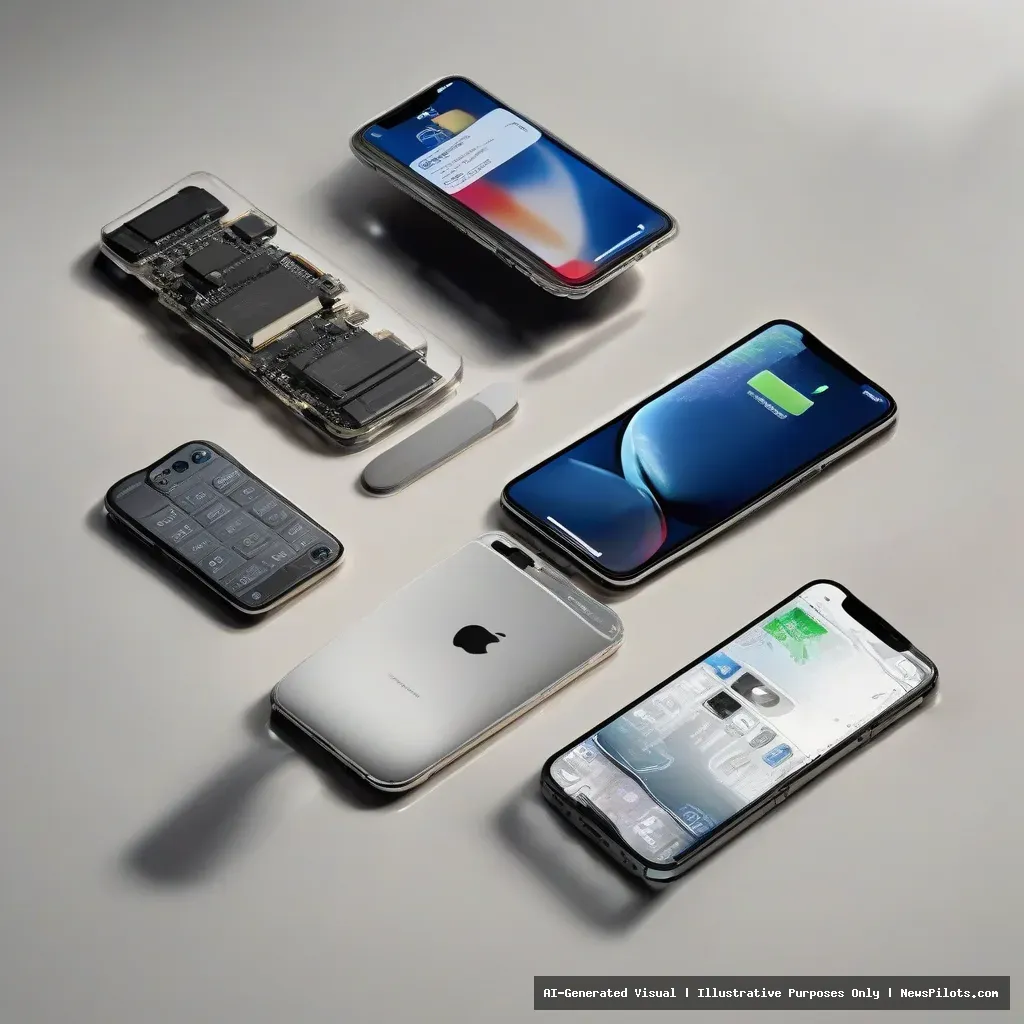
Apple’s latest flagship, the iPhone 17, has once again cemented its position at the top of the worldwide smartphone market. According to data from Counterpoint Research, the device led global sales in the second quarter of 2026, outpacing all competitors and securing the highest share of units sold during the period. iPhone 17 sales is an important part of the developments covered in this report.
iPhone 17 sales: What It Means and Why It Matters
Apple Sweeps the Top Three Spots
In a market that has become increasingly fragmented, Apple’s dominance is underscored by its ability to capture the first three positions in the Q2 sales ranking. The iPhone 17 sits at the pinnacle, followed by its immediate predecessor and another high‑end model from the same manufacturer. This sweep highlights the brand’s continued strength in premium segments and its loyal customer base.
Top Ten Smartphones Contribute a Quarter of the Market
While the iPhone 17 alone drove a significant portion of the market, the top ten devices across all brands collectively accounted for 26% of total smartphone sales worldwide during the quarter. This concentration suggests that a small group of flagship models commands a large share of consumer demand, leaving the remaining devices to compete for a more fragmented slice of the pie.
Market Dynamics Amid Supply Constraints
The second quarter saw a narrowing of choices for consumers due to a global shortage of high‑capacity RAM modules. Many manufacturers faced production bottlenecks, which limited the release of new high‑end devices. The iPhone 17’s ability to maintain strong sales amid these constraints indicates robust supply chain management and a resilient demand for its feature set.
Implications for Competitors
Android manufacturers, which traditionally hold a larger share of the overall market, now face increased pressure to innovate and differentiate. The data suggest that to compete with Apple’s market leadership, rivals must focus on delivering compelling value propositions in the premium segment while also ensuring supply chain reliability.
Consumer Preference Trends
Analysts point to several factors that may have contributed to the iPhone 17’s success: advanced camera capabilities, a new processor architecture, and a refreshed design language that appeals to both existing users and new adopters. Additionally, the brand’s ecosystem, including services and accessories, continues to reinforce customer loyalty.
Future Outlook
With the Q2 data confirming its top spot, Apple is likely to maintain a strong position as the quarter progresses. However, the smartphone market remains highly competitive, and emerging technologies such as foldable displays and 5G enhancements are poised to reshape consumer expectations. Companies that can align product development with these trends may capture additional market share in the coming quarters.
Overall, the iPhone 17’s performance in Q2 2026 demonstrates Apple’s sustained leadership in the global smartphone arena, while the concentration of sales among the top ten models highlights the continued importance of flagship devices in driving industry growth.
Related Articles
- Bill Ackman Trims Alphabet Stake to Buy Beaten-Down AI Stocks
- Google Introduces Pay-As-You-Go Gemini Pricing as Enterprises Seek Control Over AI Spending
Original Source: Counterpoint Research
What Happens Next?
The next phase of this development will be closely watched by industry participants, consumers and policymakers. iPhone 17 sales could influence future technology, business decisions and broader market trends. The practical impact will depend on implementation, cost, reliability, regulatory developments and how quickly the underlying technology evolves.