
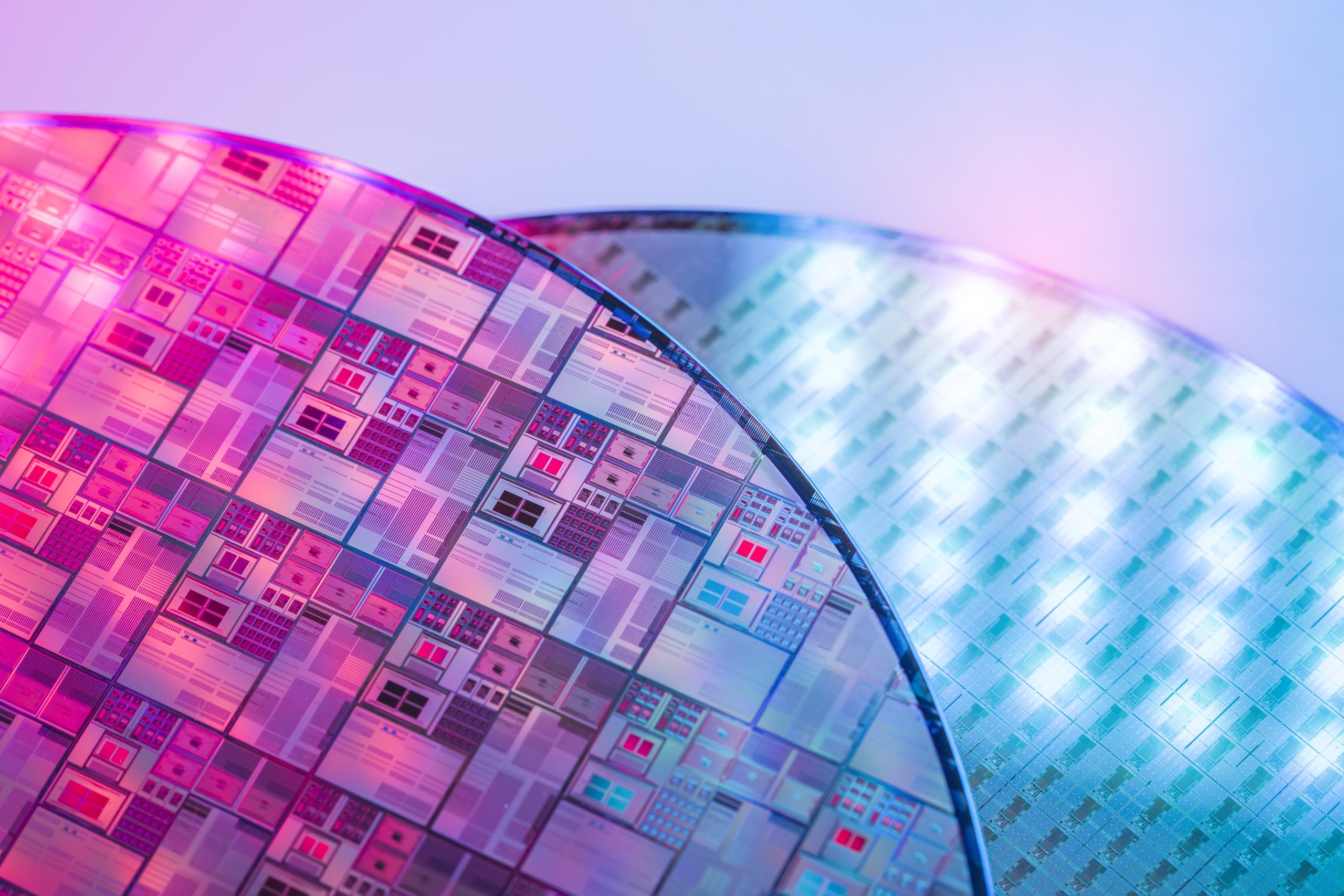
As Taiwan Semiconductor Manufacturing Company prepares to release its full Q3 earnings report on Oct. 15, market participants are turning their attention toward the world’s top contract chipmaker. According to research published by The Motley Fool authored by Leo Sun, Taiwan Semiconductor Manufacturing Company (TSMC) already posted a 50% year-over-year revenue growth figure during the third quarter of 2026. This performance underscores the relentless demand powering the global semiconductor foundry market.
What Changed in TSMC's Business Landscape
The fundamental growth trajectory of TSMC has shifted heavily toward artificial intelligence and high-performance computing hardware. Most of TSMC’s growth is driven by high-performance computing (HPC) chip production for Nvidia and other fabless AI chipmakers. In the second quarter of 2026, the HPC business accounted for 66%—or two-thirds—of TSMC’s total revenue. Demand for AI chips, particularly Nvidia’s platform offerings, outstripped TSMC’s supply in the first half of the year, creating a tight manufacturing environment.
Simultaneously, the manufacturing mix has evolved across advanced chip nodes. TSMC’s 3nm chip node accounted for 30% of revenue in Q2 2026, marking a significant increase from 24% in Q2 2025. Conversely, mature advanced nodes saw slight proportional declines as customers migrated to tighter geometries. The 5nm chip node accounted to 33% of revenue in Q2 2026, down from 36% in Q2 2025, while the 7nm chip node accounted for 11% of revenue down from 14% over the same comparative periods.
Context and Guidance Adjustments
TSMC’s management has systematically raised its financial expectations throughout the year. In January, the company expected full-year revenue growth in the mid-to-high 20% range in USD terms. By April during the Q1 report, TSMC raised its full-year revenue outlook to more than 30% growth. Momentum continued into the summer, and during the July Q2 report, TSMC raised its full-year revenue outlook to at least 40% growth.
This continuous upward revision reflects strong execution and dominant market positioning. Furthermore, Nvidia’s Vera Rubin platform entered full production on TSMC’s 3nm node in early 2026, anchoring high-volume advanced node output. TSMC maintains a clear lead in the process race against Intel and other foundries, cementing its status as the primary fabrication partner for leading AI hardware developers.
Business Implications and Key Metrics to Watch
When the company posts its figures on Oct. 15, market watchers will track several specific items. Uncertainties remain regarding whether TSMC will raise or reiterate its full-year revenue guidance, whether it will increase capital expenditure (capex) guidance, and whether HPC revenue growth will accelerate or slow down in the second half of 2026.
Market analysts note that if TSMC merely reiterates revenue guidance while raising capex guidance, its stock could pull back. Capital expenditure increases signal heavy investments in future capacity, which can pressure near-term free cash flow even if long-term demand remains robust. TSMC’s broader financial standing remains formidable, backed by a market capitalization of $2.11 trillion, a stock price listed at $406.13 as of Oct. 30, 2026, and a robust gross margin of 65.07%.
Sector Impact and Limitations
While TSMC’s HPC segment growth consistently offsets slower production of other chip types, the concentration of revenue in AI-related processing creates specific cyclical vulnerabilities. Any supply chain bottlenecks in advanced packaging, extreme ultraviolet (EUV) lithography tools, or raw materials could constrain future output. Moreover, macroeconomic shifts could alter fabless customer ordering patterns, making management’s forward-looking commentary on Oct. 15 crucial for evaluating the broader semiconductor supply chain.
Attribution and reporting are based on research compiled by Leo Sun for The Motley Fool on Oct. 11, 2026.