
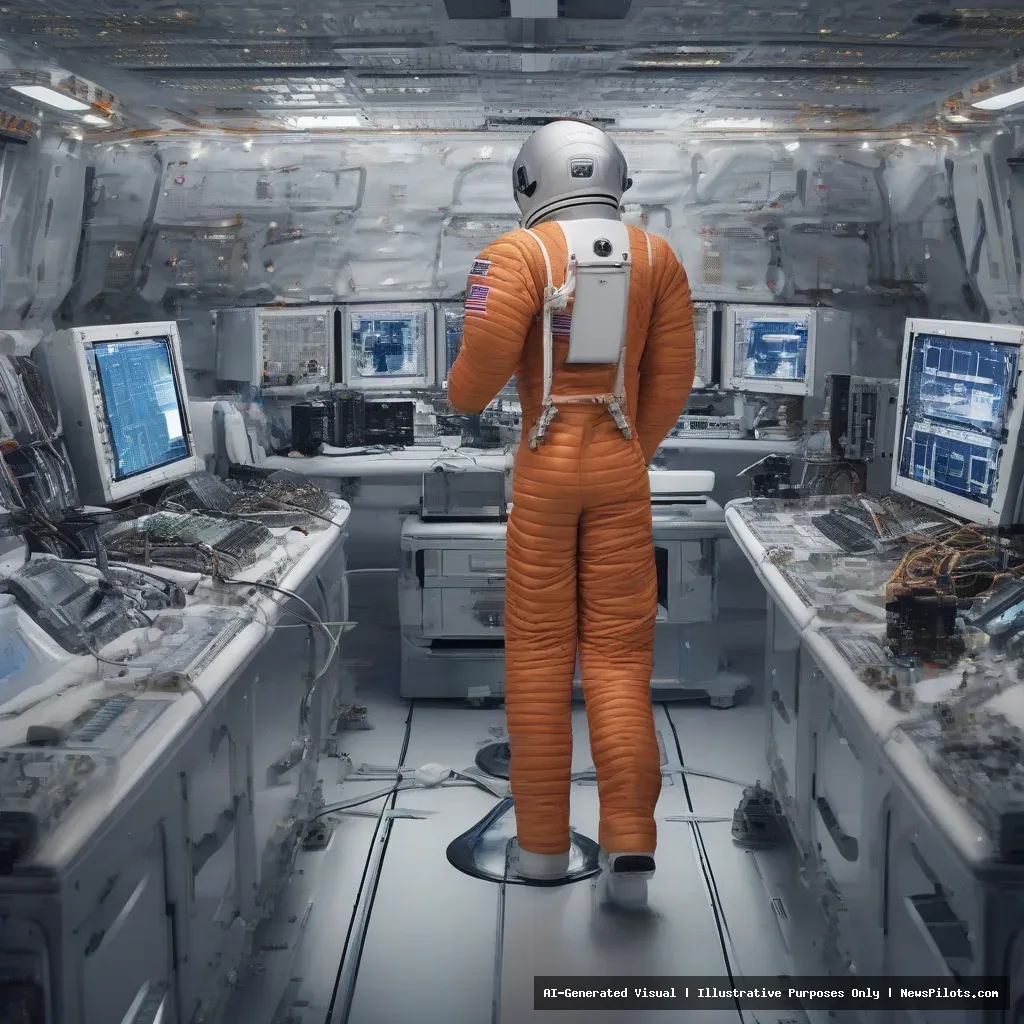
The Washington Post recently published an opinion piece titled “China and Russia are nipping at America’s heels in the new space race,” drawing attention to the growing competitiveness in outer‑space capabilities among the three major global players.
space race: What It Means and Why It Matters
In the article, the author argues that China’s rapid expansion of launch capacity and Russia’s continued development of heavy‑lift vehicles are putting pressure on the United States to accelerate its own space initiatives. The piece notes that both nations have invested heavily in satellite constellations, launch infrastructure, and space‑based research, thereby increasing their strategic reach.
The Washington Post’s commentary underscores the importance of maintaining technological edge in space for national security, economic growth, and scientific advancement. It calls for a renewed focus on U.S. investment in launch systems, propulsion research, and international partnerships that can sustain a competitive advantage.
While the article concentrates on the geopolitical dynamics of space, other recent defense coverage, such as a report from The Debrief titled “The Army’s Next Generation Prototype Tanks Arrive at Fort Bragg,” highlights parallel efforts to modernize U.S. military hardware. Although these topics are distinct—space versus land—both illustrate the broader theme of technological competition shaping national defense strategies.
Overall, the Washington Post opinion piece serves as a timely reminder that the space domain is evolving rapidly, and that sustained investment and innovation are essential for maintaining a leadership position in this critical frontier.
Related Articles
- Africa Accelerates Space Ambitions, Joining Artemis Accords
- Yogi Commends India’s Space Achievements, Highlights Momentum for Viksit Bharat
Original Source: The Washington Post
What Happens Next?
The next phase of this development will be closely watched by industry participants, consumers and policymakers. space race could influence future technology, business decisions and broader market trends. The practical impact will depend on implementation, cost, reliability, regulatory developments and how quickly the underlying technology evolves.