
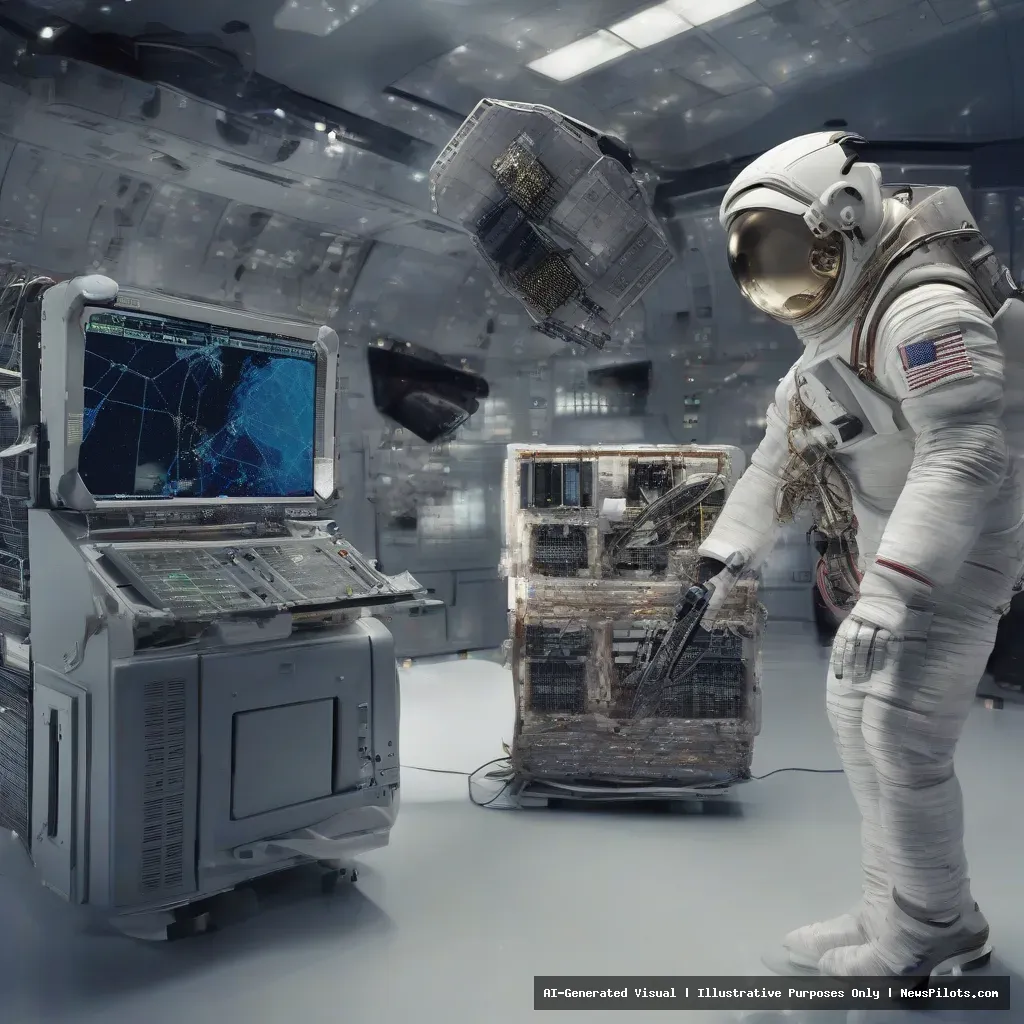
Satellite technology has become a critical component of global communications, navigation, and intelligence. As these assets grow in number and value, so too does the desire to protect or disable them. Recent policy shifts and technological developments point to a future in which space could become a contested arena of warfare. space war is an important part of the developments covered in this report.
space war: What It Means and Why It Matters
The Rise of Anti‑Satellite Capabilities
Over the past decade, nations have accelerated the development of anti‑satellite (ASAT) weapons. These systems range from kinetic interceptors that collide with satellites to directed‑energy weapons that can damage or destroy space assets. The increased focus on ASAT technology reflects a broader trend of militarizing space, driven by the strategic importance of satellites for command, control, and surveillance.
US Prioritises Satellite Killers
In a recent policy announcement, the United States declared that new anti‑satellite weapons are a top priority for national security. This move signals a shift from defensive space operations to proactive measures that could neutralise an adversary’s space capabilities. The US is investing in research and development to improve the accuracy and reliability of ASAT systems, ensuring that they can be deployed quickly and effectively in a conflict scenario.
Russia’s Space Nuclear Ambitions
Reports have highlighted Russia’s exploration of placing nuclear warheads in orbit. Such a move would represent a significant escalation, as nuclear weapons in space are prohibited under international treaties. The potential deployment of a space‑borne nuclear device would not only destabilise global security but also trigger a rapid arms race in space, prompting other nations to pursue similar capabilities.
Strategic Implications of a Space Conflict
A war in space would have profound ripple effects on terrestrial systems. Satellites provide real‑time data for military operations, weather forecasting, and navigation. Destroying or degrading these assets could cripple communication networks and disrupt supply chains. Moreover, the loss of space infrastructure would affect civilian services, including banking, emergency response, and global commerce.
Preventing Escalation: Lessons from the Cold War
Historical precedents from the Cold War illustrate how nuclear brinkmanship could be avoided through diplomatic channels and mutual deterrence. Applying similar principles to space, nations could establish protocols for engagement, verification, and de‑confliction. Transparent communication and confidence‑building measures would be essential to prevent accidental escalation into a full‑scale space war.
What a Space Battle Might Look Like
In a hypothetical conflict, an adversary might first target high‑value satellites using kinetic interceptors launched from the ground or from other satellites. Simultaneously, directed‑energy weapons could be employed to disable communications or navigation systems. If nuclear options were considered, a space‑borne warhead could create a wide‑area electromagnetic pulse, rendering large swathes of satellite constellations inoperable. The aftermath would involve a scramble to restore critical services, while international bodies work to re‑establish trust and stability.
Understanding these scenarios is vital for policymakers, industry leaders, and the public. As space becomes increasingly intertwined with national security, the need for robust governance, responsible behaviour, and proactive diplomacy grows ever more urgent.
Related Articles
- Grafton City Hospital Announces Data Breach, Urges Patient Vigilance
- UK State Investment Agency Suffers Data Breach Exposing Officials’ Personal Details
Original Source: BBC
What Happens Next?
The next phase of this development will be closely watched by industry participants, consumers and policymakers. space war could influence future technology, business decisions and broader market trends. The practical impact will depend on implementation, cost, reliability, regulatory developments and how quickly the underlying technology evolves.