
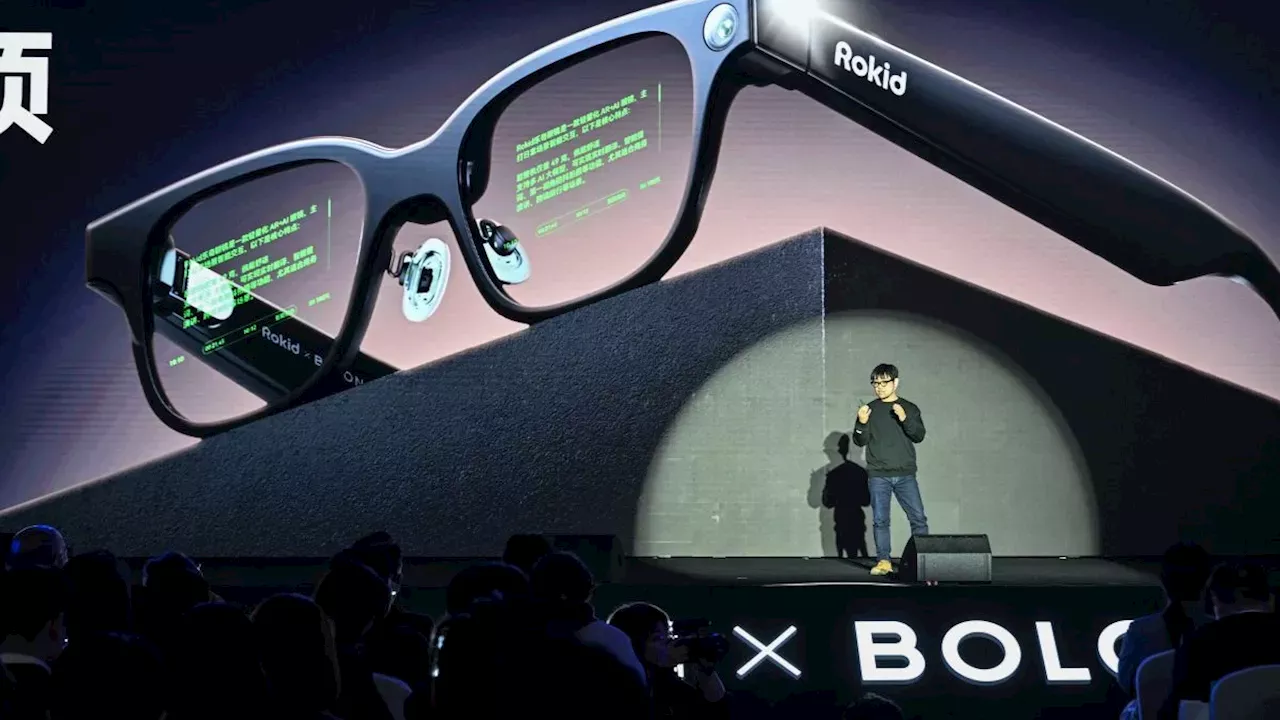
Consumer hardware history demonstrates a clear divide between devices that seamlessly integrate into daily routines and those that demand constant attention. According to industry observations shared by veteran hardware builder and Mill co-founder Matt Rogers, modern smart glasses and virtual reality headsets often stumble because they violate a core design principle: the best tech blends into life. That’s where smart glasses fail, remaining stubbornly intrusive objects that alter how users present themselves and interact with others.
What Changed in Hardware Design Philosophy
Over the past few decades, consumer electronics evolved from bulky enterprise tools into personal extensions of everyday life. However, recent hardware categories—specifically smart glasses and virtual reality headsets—have taken a different path. Rather than retreating into the background, these devices demand prominent placement directly in the middle of the user’s face.
Matt Rogers, whose hardware career includes co-founding Nest (acquired by Google in 2014), founding Incite.org, and working alongside Steve Jobs to build the first iPhone and device hardware, points out a fundamental flaw in this approach. Unlike successful form factors that slip into a pocket or purse, smart glasses make themselves impossible to avoid noticing on oneself or others. This constant visibility creates social friction and user fatigue.
Context: Milestones of Disappearing Technology
To understand why modern wearables struggle, it helps to look at hardware milestones celebrating major anniversaries. The iPod is turning 25, and the Nest thermostat is turning 15. Both products succeeded by vanishing into the background of daily rituals.
When Nest was acquired by Google in 2014, it proved that home hardware could regulate temperature autonomously without requiring complex programming or constant user engagement. Similarly, the iPod and subsequent smartphones succeeded because they provided a foundation for an ecosystem, fit comfortably into pockets or purses, and essentially became extensions of the human hand.
In contrast, virtual reality headsets and current smart wearables often alienate both the wearer and those nearby. Virtual reality headsets actively exclude and inconvenience people in the vicinity who are completely cut off from the virtual experience. Instead of enhancing shared human environments, they build barriers.
Why It Matters: The Principle of Frictionless Integration
Consumer technology should work out of the box on day one without needing an instruction manual, with setup taking mere seconds. When devices require extensive configuration, calibration, or behavioral adjustment, they introduce friction that repels mainstream users.
Rogers highlights a classic engineering pitfall summarized by the famous quote referencing Dr. Ian Malcolm: creators get so preoccupied with whether or not they could, they didn’t stop to think if they should. When evaluating new product categories, builders must ask a vital question: Will people actually want to live with this?
Smart glasses frequently fail this test because they force users to wear computing hardware on their faces all day. By sitting directly in the line of sight and social engagement, they constantly remind the user and everyone around them that technology is mediating the interaction.
Business Implications and Sector Impact
For hardware startups and major technology conglomerates based in hubs like San Bruno, California, and beyond, these design lessons carry severe financial implications. Developing consumer hardware requires massive capital investments in research, manufacturing, supply chains, and software ecosystems.
Companies like Apple, Amazon, and Google invest heavily in ambient computing, yet form factor fatigue remains a persistent hurdle. If a device fails to blend into life, adoption stalls outside of early-adopter niches. Ecosystems thrive when hardware acts as an invisible utility rather than an awkward costume accessory.
Limitations and Uncertainties
Despite clear design hurdles, the trajectory of wearable technology remains fluid. There is ongoing uncertainty regarding whether future advanced AI wearables will successfully fade into normal life in ways users cannot live without. Advances in miniaturization, battery density, and artificial intelligence may eventually yield discreet form factors that overcome current aesthetic and social objections.
However, until hardware engineers solve the fundamental visibility and social alienation problems of facial computing, these devices will remain limited in scope.
What to Watch Next
Observers tracking the hardware sector should monitor how device makers pivot their messaging and engineering priorities. Watch for shifts away from cumbersome face-mounted displays toward ambient audio, subtle health sensors, and invisible computing layers that respect human attention. As foundational products like the iPod and Nest thermostat prove, the most enduring technology is the kind you stop noticing altogether.