
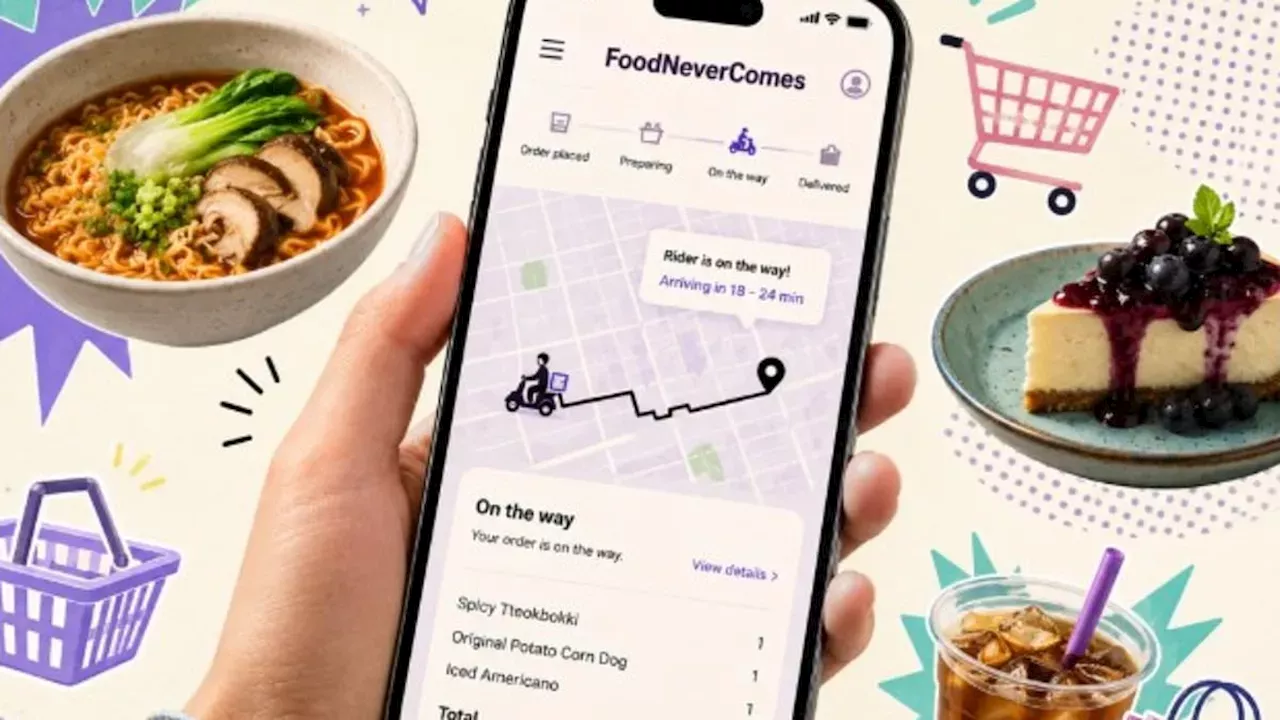
A growing trend in digital consumer behavior shows that fake shopping websites offer dopamine hits without real purchases. Platforms such as FakeHaul, FoodNeverComes, and TripNeverLeaves allow users to experience the entire thrill of online shopping—ranging from browsing inventories and adding items to carts to order tracking—while checking out at a cost of $0.00 and never receiving actual goods.
What Changed
The phenomenon began in March in Seoul, South Korea, with the launch of a fake food delivery site called FoodNeverArrives. Created by 21-year-old mechanical engineering student Seohyun Park, the original site attracts at least 10,000 visitors monthly. Following this initial concept, additional simulated platforms emerged globally. FoodNeverComes was subsequently set up by two 26-year-old software developers from Udaipur. This platform offers 22 national cuisines and 327 dishes with fake prices and a simulated checkout process, eventually boasting over two million users. Alongside food delivery, the trend has expanded into general retail and travel sectors through US-based megastore FakeHaul, which has thousands of users, and a holiday-focused platform named TripNeverLeaves.
Context and Technical Explanation
These simulated platforms function by replicating the user interface and mechanics of traditional e-commerce applications without executing real financial transactions or logistical fulfillment. Users interact with complete item catalogs featuring promotional discounts and varied inventory. For example, specific items listed on these simulated sites include a gabardine trench coat originally priced at $159.99 and reduced to $74.99, Bluetooth earbuds marked down from $79.99 to $24.99, a foldaway drying rack priced at $28.99, and a luxury pet bed listed originally at $79.99 and priced at $34.99. When a user compiles these selections, a cart total displays an amount such as $134.97, but the final checkout process charges $0.00.
Why It Matters
The popularity of these sites highlights underlying psychological mechanisms tied to digital consumption. Experts note that the thrill of anticipation often outweighs the utility of ownership. According to Ravi Dhar, director of the Yale Center for Customer Insights, anticipatory utility—or the thrill of the chase—makes the pleasure of looking forward to consumption potentially more powerful than the actual purchase itself. Similarly, Professor Anna Lembke, author of Dopamine Nation and affiliated with Harvard Medical School, compares these simulated shopping sites to digital near-beer, explaining that they provide the high of rewards without the physical or financial consequences of the reward itself.
Business Implications and Sector Impact
FoodNeverComes captures this ethos explicitly, utilizing the tagline that the food never comes but the dopamine does. While traditional e-commerce retailers rely on conversions, payment gateways, and shipping logistics, these zero-cost platforms bypass supply chains entirely. They operate purely on user engagement driven by novelty and psychological reward loops. The rapid scaling of platforms like FoodNeverComes—reaching over two million users—demonstrates a consumer appetite for engagement mechanics stripped of financial risk and consumer debt.
Limitations and Risks
While these sites provide psychological engagement without monetary loss, they remain purely recreational digital novelties rather than functional service providers. Because no goods are ever delivered, they do not compete with traditional retail logistics or food delivery services, but instead occupy a distinct space focused on digital recreation. The long-term sustainability of user engagement on platforms designed solely around simulated checkout experiences remains subject to shifting digital trends.
Attribution
Information regarding the origin of the trend, creator details, platform features, and psychological assessments is attributed to reports from DailyMail and HeadTopics, along with insights provided by Seohyun Park, Ravi Dhar of the Yale Center for Customer Insights, and Professor Anna Lembke of Harvard Medical School.